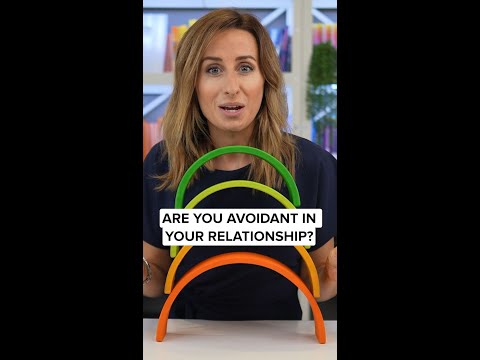
You know how relationships can be, like, super complicated sometimes? One moment you’re all in sync, and the next, it feels like you’re speaking different languages.
Ever wondered why that happens? Well, it turns out your relationship style has a lot to do with it.
Think of it as a lens through which you see connection and intimacy. It shapes how you communicate, trust, and handle conflict.
So whether you’re on fire in love or just trying to figure things out, understanding your style could make a big difference. Ready to dig into this together? Let’s go!
Understanding Your Relationship Style: A Psychological Insight Guide (PDF Download)
Understanding your relationship style is like peeking into a mirror that reflects your emotional patterns and behaviors. It’s a way to figure out how you connect with others, be it in friendships, romantic relationships, or even family ties. You know, everyone has their own unique vibe when it comes to relating to people.
When we talk about relationship styles, we’re basically looking at how you interact with others based on your past experiences, personality traits, and even attachment history. The thing is, these styles can shape everything from your communication patterns to how easily you trust someone.
So here are some key relationship styles that are often discussed:
- Anxious: If you’re the type who worries about being abandoned or not getting enough affection, you might have an anxious attachment style. You may find yourself constantly seeking reassurance from your partner or friends.
- Avoidant: This style can make you feel uncomfortable with too much closeness. You prefer independence and might keep people at arm’s length emotionally. You know the kind of person who hates sharing feelings? That could be avoidant behavior.
- Secure: People with a secure attachment style tend to feel comfortable being close to others while also valuing their own space. They generally communicate openly and trust easily.
- Fearful: A mix of anxious and avoidant traits defines this style. You might desire connection but also fear it at the same time, which can lead to confusion in relationships!
Understanding where you fit in can totally change how you approach relationships in the future.
Now, let’s chat about why this matters. Knowing your relationship style helps you understand why you react the way you do when someone cancels plans or doesn’t text back quickly enough. Like one time my friend Jamie got all worked up when her boyfriend was busy—she thought he was losing interest because she identified more with an anxious attachment style.
But here’s the kicker: once she recognized her pattern, she started working on trusting him more instead of spiraling into panic mode every time he didn’t respond instantly. This awareness made her approach things differently; she became more relaxed and communicative.
If you’re interested in digging deeper into this stuff—like maybe assessing your own relationship style—you might find psychological insights super helpful! It’s not just about understanding yourself but also improving how you relate to others.
In a nutshell, exploring your relationship style can lead to healthier connections and maybe even some peace of mind along the way. It’s all about building better bonds and understanding what makes both you and those around you tick!
Remember that self-discovery is an ongoing journey; we’re always evolving based on life experiences. So give yourself grace as you navigate through this enlightening process!
Discover Your Attachment Style: Free Attachment Style Questionnaire (ASQ PDF Download)
Understanding your attachment style can really change the way you experience relationships. So, let’s talk about what that means and how you can figure yours out.
Attachment styles, you know, are basically ways that people connect to others based on their early experiences, usually with caregivers. There are four main types: **secure**, **anxious**, **avoidant**, and **disorganized**. Each one influences how we relate in our adult relationships.
Secure attachment is like the gold standard. If you have this style, you’re likely comfortable with intimacy and can easily connect with others. You trust people and feel good about yourself in relationships. Imagine being in a relationship where you feel loved and happy without constantly worrying if your partner will leave. That’s secure.
Then there’s the anxious attachment style. This is when someone often worries about their partner’s love or commitment. It’s like saying to yourself, “Do they even care? Am I enough?” People with this style might seek constant reassurance or get really upset when they feel ignored. Think of a friend who texts you a million times if you don’t reply right away—they might have this anxious pattern.
On the other side of things is avoidant attachment. This person often keeps others at arm’s length emotionally. They value independence so highly that they might miss out on deeper connections because they fear losing their autonomy. For example, someone might love dating but feel really uncomfortable when things get serious or emotionally intense, kind of like hitting the brakes hard when things start to get real.
Lastly, there’s disorganized attachment. This one combines elements of both anxious and avoidant styles—they want closeness but also fear it. It can lead to chaotic relationships where one minute everything feels great, and the next it’s filled with anxiety or withdrawal.
Figure out which one feels most like you? If you’re not sure, taking an Attachment Style Questionnaire (ASQ) can be super helpful! It’s designed to help clarify your patterns in relationships by asking questions about how you typically behave and feel around others.
You can usually find free ASQ downloads online—just look for sources that seem reputable! The results can guide your understanding of how you’ve interacted in past relationships and maybe even help improve future ones.
Incorporating this knowledge into your life could be transformative! Once you understand your style better, it becomes easier to communicate needs or address patterns that aren’t serving you well anymore.
So whether you’re looking at downloanding an ASQ PDF or just thinking about these styles while chatting with friends over coffee, remember: understanding yourself helps create healthier bonds with others!
Understanding Adult Attachment: A Comprehensive Guide to the Adult Attachment Questionnaire
Understanding Adult Attachment is all about how we connect with our partners, friends, and even family. It’s shaped by our early experiences in life, which pretty much means it’s based on how we were cared for as kiddos. Ever notice how some folks seem to be super chill in relationships while others are like, “Whoa, back off”? Well, that could be their attachment style showing up.
The Adult Attachment Questionnaire, or AAQ for short, is a tool designed to help you figure out your own relationship style. It’s a series of questions that looks into your feelings and behaviors when you’re in close relationships. Here’s what the questionnaire does:
- It identifies if you lean toward a Secure, Anxious, or Avoidant attachment style.
- It helps you understand how these styles affect your relationships.
- It gives insights into areas where you might want to grow or change.
So let’s break down those main styles a little more.
Secure attachment is like having a solid foundation. People with this style are typically comfortable with closeness and independence. They’re not easily threatened by rejection or loneliness. Imagine someone who can express their needs openly and supports their partner without fear—that’s secure attachment at work.
Then there’s Anxious attachment. This one’s kinda tricky because it often stems from inconsistent caregiving early on. People with an anxious attachment style might worry about their partner’s love and often seek constant reassurance. Think about someone who feels super jealous when their partner hangs out with friends without them—yep, that’s the anxious vibe.
Lastly, we have Avoidant attachment. Folks here tend to keep people at arm’s length and often struggle with intimacy. Their past might have shown them that getting close leads to pain or rejection, so they build walls around their feelings. Picture someone who shuts down emotionally during conflicts instead of talking things through—that’s avoidant territory.
When you take the AAQ, you’ll answer questions that reflect situations you face in relationships. Some might ask how comfortable you feel relying on others or how much intimacy makes you squirm. Your answers help paint a picture of your default relationship patterns.
Now here’s the cool part: understanding your attachment style isn’t just academic mumbo jumbo; it can seriously improve your relationships! When you know where you’re coming from, it makes communication easier and helps navigate conflicts better.
For example—imagine if someone notices they have an anxious attachment style after taking the AAQ? They might then realize why they’re constantly texting their partner for reassurances during the day! With this insight, they could work on expressing those feelings directly rather than bombarding their partner with messages.
Understanding Adult Attachment really opens up self-exploration! It encourages us all to address our fears and desires in love more authentically while fostering healthier connections along the way. So if you’re curious about what drives your relationship behavior, maybe give that questionnaire a shot!
You know, relationships can be a mixed bag, right? I mean, one minute you’re on cloud nine and the next you’re second-guessing everything. Seriously, it’s like a rollercoaster! A lot of times, when things get rocky, it helps to take a step back and think about your relationship style. Like, what’s your approach to love? Are you all in or do you keep things at arm’s length?
There’s this idea in psychology about different attachment styles that’s kinda interesting. You might be securely attached, which means you’re comfortable with closeness and intimacy. Or maybe it’s more of an anxious style where you’re always checking for signs of reassurance—classic overthinker mode! Then there are the avoidant types who tend to dodge deeper connections or push people away when things get too real.
I remember chatting with a friend who was really into this stuff after a tough breakup. She realized she had been leaning toward avoidant behavior, pushing partners away whenever they tried to get close. It was like a light bulb for her! Understanding her style made her think about how she could change that pattern moving forward.
So anyway, assessing your relationship style isn’t just some heady psychological exercise; it’s way more personal than that. It’s about getting real with yourself and figuring out what works—and what doesn’t—when it comes to love. Like peeling back the layers of an onion (or maybe like figuring out what makes your favorite pizza so good).
When you look at the way you relate with others, it opens up new ways to communicate or handle conflicts. And honestly? That kind of insight can totally help in building stronger connections down the line.
So think about it—how do you show up in relationships? Are you someone who puts all their cards on the table or do you play it cool and keep folks guessing? Reflecting on these questions can really give you clarity not just in love but also in how to grow as an individual. You follow me? It’s all part of the journey!