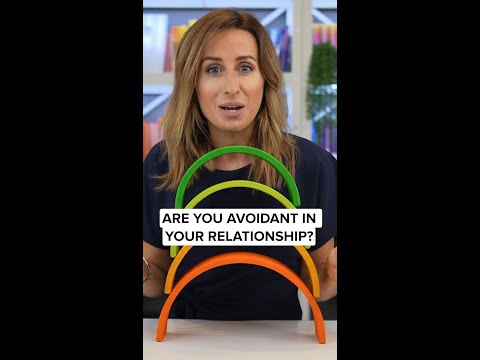
You know how relationships can be a bit like a roller coaster? One minute you’re on top of the world, and the next, you’re in a tailspin.
But here’s the thing: understanding your relationship style can totally change the game for your mental health. Seriously.
When you get how you connect with others—whether it’s friends, family, or significant others—you kinda unlock this superpower. It helps you navigate those wild ups and downs with a little more grace.
So let’s chat about different relationship styles. We’ll explore what makes you tick and how it impacts your vibe. Trust me, it could be a total eye-opener!
Unlocking Connection: Understanding the Psychology of Relationships – Free PDF Guide
Relationships can be like a rollercoaster, right? They have their ups and downs, twists and turns. The psychology behind how we connect with others is super fascinating, and understanding it can seriously improve your mental health. So, let’s break it down in a way that makes sense.
First off, different people have unique relationship styles. This basically means we all have different ways of interacting with others based on our personalities and life experiences. Some folks are really affectionate and open while others maybe keep things at arm’s length. Recognizing your own style can help you understand why you react the way you do in relationships.
Think about when a friend reaches out to share something important. If your response is to withdraw because it feels too intense, that could be linked to an avoidant style. It’s not that you don’t care; it’s just how you’ve learned to cope with emotional closeness. Understanding this can really change how you view your behavior.
- Attachment Theory: This is a big deal when discussing relationships. Basically, there are three main styles—secure, anxious, and avoidant.
- Secure people feel comfortable with intimacy and are usually pretty good at communicating their needs.
- Anxious people might worry about being rejected or abandoned, leading them to seek constant reassurance from their partners.
- Avoidant individuals, on the other hand, might pull away when things get too close because they value independence highly.
Now picture this: You’re at dinner with your partner who seems distant. If they’re avoidant, they might pull back if they feel overwhelmed by closeness or vulnerability. But if you’re anxious, you might interpret that distance as them not caring enough. It’s a tricky dance! Being aware of each other’s styles can prevent misunderstandings.
Another thing to consider is communication styles. Some people like direct conversation while others prefer more subtle hints or non-verbal cues. You know those moments when someone says “I’m fine” but their tone says otherwise? Understanding these differences in communication can really help bridge gaps between partners.
And let’s not forget about the impact of past experiences—like past relationships or even family dynamics—on how we relate to others today. For example, if someone grew up in a household where conflict was avoided at all costs, they might struggle with discussing tough topics later in life.
So why does all this matter for mental health? Well, when we understand our relationship styles better, we’re more equipped to build healthier connections—and healthier connections lead to better emotional well-being! Knowing this stuff can help reduce anxiety and depression by fostering supportive environments where everyone feels understood.
In summary:
1) Recognize your relationship style.
2) Understand attachment theory.
3) Pay attention to communication differences.
4) Acknowledge past influences on current behaviors.
If navigating these complexities feels overwhelming sometimes—that’s completely normal! Just remember that taking one step at a time is key here: awareness leads to understanding; understanding leads to connection; and connection fosters real healing in mental health.
Anyway… relationships are a journey worth exploring! What do you think about yours?
Exploring the Impact of Mental Health on Friendships: Building Stronger Connections
Mental health can dramatically impact your friendships, and honestly, a lot of us don’t even realize it. Think about it. When you’re feeling off or dealing with tough emotions, it’s pretty common to pull away from the people you care about. You might struggle to be present or just feel too drained to hang out, right? It’s like being stuck in a fog while everyone else is out enjoying the sunshine.
When mental health conditions, like anxiety or depression, come into play, they can really distort how you connect with others. You might find yourself overanalyzing every text message or worrying that people don’t really want to be around you. It’s exhausting! And here’s the kicker—sometimes friends might not know how to help or even understand what you’re going through.
Communication plays a huge role here. If you’re feeling comfortable enough, sharing your thoughts about what you’re experiencing can help your friends understand your behavior better. Like, maybe when you cancel plans last minute, they won’t take it personally if they know you’re feeling overwhelmed. But that takes courage! It means being vulnerable and opening up about what’s happening inside your head.
Also, let’s not forget how friendships can actually help improve mental health! Having people around who support and uplift you is such a game changer. Good friends can offer perspective when you’re in a spiral of negative thoughts or give you a gentle nudge when it’s time to get out of the house—even if you’d rather binge-watch shows on the couch in your PJs.
Boundaries are crucial as well. Sometimes, protecting your mental wellbeing means knowing when to step back from certain friendships that drain your energy instead of filling it up. You wanna surround yourself with people who inspire and motivate you—not those who keep bringing drama into your life.
Building stronger connections often means taking an active role in nurturing those friendships too. Reach out for coffee dates or video chats regularly; just show up for each other! Small gestures—like texting “Thinking of you” or asking how they are doing—can make all the difference in maintaining those bonds.
So yeah, navigating these emotional waters isn’t easy for anyone involved, but recognizing how mental health affects your relationships is totally worth it. Prioritize open conversations and mutual understanding—it could lead to some seriously fulfilling connections that not only boost your mental health but make life way more enjoyable too!
In summary:
- Mental health impacts connection; pulling away happens.
- Communication helps everyone understand feelings better.
- Friendships offer support and positivity.
- Set boundaries where necessary for self-care.
- Make an effort to nurture relationships actively.
Remember: It’s all about finding balance and being there for each other through thick and thin!
Exploring the Psychology of Relationships: Insights from Our Podcast
Relationships are super important in our lives. They can lift us up or, sometimes, drag us down a bit. You know what I mean? So, when we talk about the psychology of relationships, we’re really digging into how these connections affect our mental health.
What’s interesting is that everyone has different relationship styles. Some people are more secure, while others might be anxious or avoidant. Think about it like this: if you had a friend who always brushed you off when you needed support, how would that make you feel? Probably not great, right? That’s a classic example of an avoidant style.
Here are some key points to consider:
- Secure attachment: This is where people feel comfortable with intimacy and independence. Think of that friend who always shows up for you during tough times.
- Anxious attachment: These folks often worry about their relationships. They might need constant reassurance and can get clingy.
- Avoidant attachment: People with this style might keep their distance and struggle to open up emotionally.
Understanding these styles can seriously change the game in your relationships. Imagine being aware of your own style and realizing why you react the way you do! It’s like having a map for navigating those sometimes tricky waters.
Connecting this to mental health is crucial too. When relationships are healthy and supportive, they boost your mood and reduce stress levels. But negative relationships can lead to anxiety or even depression. I remember once sitting with a friend who was going through a breakup; the emotional stuff he was dealing with was tearing him apart. But once he started understanding his patterns in relationships—like how he often chose partners who weren’t good for him—he began to heal.
Communication plays a huge role here as well. You can’t just assume your partner knows what you’re feeling or thinking, right? It takes effort from both sides to really connect and share feelings openly. And that’s where relationship counseling can come in handy if things get sticky.
Overall, diving into your relationship dynamics isn’t just eye-opening; it can also lead to better mental health outcomes for yourself and those around you! This isn’t about placing blame but rather understanding each other better so we can build those meaningful connections we all crave.
You know, relationships can be a real rollercoaster. Some days are all laughter and joy, while others feel like you’re just trying to survive the ride. When it comes to your mental health, understanding different relationship styles can be a game changer. It’s like finding the right pair of shoes; not every style fits everyone.
Take a moment to think about how you relate to other people—friends, family, partners. Your style might be more secure, where you feel comfortable trusting others and expressing your needs. Or maybe you’re on the anxious side, worrying constantly about what others think or if they’ll stick around. I’ve been there too! Like that time I freaked out because I didn’t hear from a friend for a week and convinced myself I did something wrong. Totally overthinking it. Turns out they were just busy with life stuff.
So, let’s talk about these styles a bit more, yeah? You’ve got secure attachment styles that usually lead to healthier relationships; people feel safe expressing their feelings and fears without judgment. Then there’s the avoidant type who might keep their distance emotionally—maybe they worry too much about being vulnerable or depend too heavily on independence. And don’t forget the anxious types who often crave reassurance yet fear abandonment—it’s exhausting trying to balance those emotions!
Recognizing your relationship style can help in so many ways. For example, if you know you lean toward anxious attachments, you might want to seek out friends or partners who are more grounded—those secure types who help keep things steady when your worries spike up.
It’s also vital to communicate openly about these styles with people in your life. Just like my good buddy once said during one of our heart-to-heart talks: «Dude, if we don’t talk about it, we’re just gonna be guessing.» He hit the nail on the head there! So express what you need and ask for clarity when things get murky.
And hey, don’t overlook self-care! It’s not just an Instagram buzzword; giving yourself love and understanding can soothe those emotional bumps along the way in any relationship. Finding that balance between being open with others while nurturing yourself is key for good mental health.
At the end of the day, relationships should lift us up rather than drag us down into stressville. By figuring out our styles and navigating them mindfully with those we care about (and even ourselves!), we can foster healthier connections that truly support our mental well-being—and isn’t that what we’re all after?