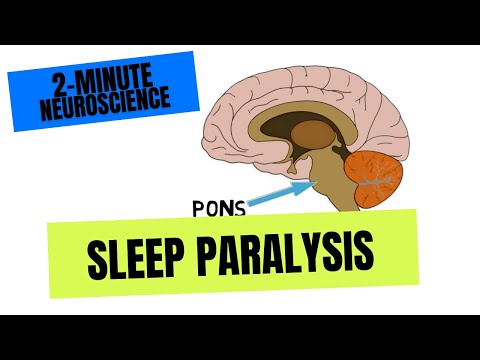
You ever wake up and feel like you’re stuck? Like, you can’t move, but you’re totally awake? That’s REM sleep paralysis for you. It’s kind of freaky, right?
Imagine lying there, heart racing, and you can’t even scream. It’s like your mind is wide awake but your body just won’t cooperate.
A lot of people experience this, and it can hit hard. It’s not just a weird thing that happens at night; it can really mess with your day-to-day life.
So what’s the deal with that? How does feeling trapped while you’re sleeping affect your overall wellbeing? Let’s dig into the psychological effects together. You might be surprised by what we uncover!
Exploring the Connection: Can Sleep Paralysis Lead to Mental Health Challenges?
Can sleep paralysis lead to mental health challenges? Well, let’s break this down a bit. Sleep paralysis happens when you wake up but can’t move or speak, usually lasting just a few seconds to a couple of minutes. It feels super creepy, right? People often report feeling a pressure on their chest, hallucinating shadows in the room, or even hearing strange noises. Not fun at all.
Here’s where it gets tricky. Many folks who experience sleep paralysis also struggle with anxiety and depression. There’s this cycle that can develop. Like, if you’re prone to anxiety, you might start worrying about when sleep paralysis will strike again. That fear can mess with your sleep quality and overall mental health.
Now let’s talk science for a sec. REM (Rapid Eye Movement) sleep is crucial for your emotional well-being. You dream during REM sleep, and it helps process emotions from the day. When sleep paralysis interrupts this cycle, it could leave you feeling more stressed or emotionally drained. You know what I mean?
Here are some key points to consider:
Let me tell you a quick story here. A friend of mine had regular bouts of sleep paralysis and was terrified every time he went to bed. He started avoiding going to sleep early because he didn’t want it to happen again. As his nights got shorter and filled with anxiety, he noticed that his mood just tanked during the day.
So basically, while not everyone who experiences sleep paralysis ends up having major mental health issues, there’s definitely a connection there. It’s like one thing feeds into the other—a classic case of “you scratch my back; I’ll scratch yours,” but in a really negative way.
In some cases, people find that therapy helps them cope better with both the fear related to sleep paralysis and any underlying anxiety or depression they might have. Cognitive Behavioral Therapy (CBT) for example has shown promise in helping people manage their fears about these episodes.
All in all, if you’re dealing with sleepless nights because of this phenomenon and it’s messing with your headspace too? Definitely worth chatting with someone about it!
Understanding Sleep Paralysis: Can It Really Be Life-Threatening?
Sleep paralysis can be, like, super scary. Imagine trying to wake up but your body won’t move. You’re awake in your head, but your muscles are totally frozen. It usually happens when you’re in that weird spot between being awake and asleep—during REM sleep, where dreaming goes down. Now, a lot of people experience this at some point in their lives.
So, is it life-threatening? Thankfully, sleep paralysis itself isn’t dangerous in a physical sense. You won’t die from it. But it can lead to some pretty intense anxiety and other psychological issues over time.
Here’s how it plays out:
- Fear and Anxiety: Seriously, waking up paralyzed can feel like a nightmare—literally! That fear can stick with you long after the episode ends.
- Sleep Disruption: If you start to dread going to sleep because of these episodes, you might end up with insomnia or other sleep problems.
- Mental Health Impact: Some folks report feeling depressed or anxious after experiencing frequent episodes.
- Hallucinations: Often during sleep paralysis, people see or hear things that aren’t really there. This can be extremely distressing.
Let me share something personal here. A buddy of mine had this happen to him all the time. He would wake up feeling pinned down as if an invisible weight was on his chest. I remember him saying he saw shadowy figures in the corner of his room during those moments! It messed with his head so much that he started avoiding sleep altogether. That’s when he really felt the mental toll it was taking on him.
Anyway, while sleep paralysis isn’t life-threatening per se, the emotional fallout is no joke. It impacts well-being significantly if left alone or not talked about.
If you’re struggling with this, chatting with someone—like a therapist—might help clear things up and reduce those feelings of anxiety tied to sleep issues. They often suggest relaxation techniques or even some cognitive behavioral therapy (CBT) strategies to help manage anxiety surrounding sleep.
In short? Sleep paralysis itself isn’t life-threatening physically but can definitely mess with your mental health if it keeps happening without support or coping strategies. So take care of yourself!
Understanding Sleep Paralysis: Is It Really Dangerous for Your Mental Health?
Sleep paralysis can seriously freak you out. You wake up, right? But you can’t move or speak for a bit, and it often comes with some disturbing hallucinations. It’s like your mind is awake, but your body just isn’t ready to join the party. So, is sleep paralysis dangerous for your mental health? Let’s break it down.
First off, sleep paralysis happens during REM (Rapid Eye Movement) sleep. This is when dreaming occurs and your brain is super active while your body is basically paralyzed. Crazy, huh? It’s kind of a protective mechanism so you don’t act out your dreams. Sometimes though, people find themselves stuck in that state—conscious but unable to move.
So why does this happen? Stress and lack of sleep are major contributors. You know how when you’re running on fumes or dealing with a lot? Your sleep patterns can totally take a hit. Also, things like sleeping on your back might increase the chances of experiencing this weird phenomenon.
Now, about the mental health effects. For many folks, just having one episode doesn’t seem to cause lasting harm. However, if it happens frequently or creates intense fear or anxiety about sleeping, that’s where trouble can start brewing. Imagine dreading going to bed because you’re afraid of having another episode—this can lead to insomnia or other anxiety issues.
Also worth mentioning: some people report feeling vulnerable after experiencing sleep paralysis. That sense of helplessness could really take a toll on one’s emotional wellbeing over time.
On the flip side though — not everyone reacts the same way! Some manage to shrug it off and don’t see any ill effects on their daily life. They understand that it’s not dangerous in itself; it’s just their body doing its thing in a not-so-great way.
So here are some key points:
- Sleep paralysis usually isn’t harmful. It’s mostly more startling than anything else.
- If it becomes frequent, consult with a healthcare professional.
- Stress and irregular sleep can ramp up episodes.
- Coping strategies: Focus on relaxation techniques before bed or creating a better sleeping environment.
And seriously—it helps to talk about it with others who understand what you’re going through! Remember that sometimes just knowing it’s common helps ease the fear surrounding it.
In summary, while sleep paralysis can lead to psychological discomfort for some people over time if left unchecked, it’s rarely dangerous in itself regarding mental health. Just take care of yourself—get enough rest and manage stress where you can!
You know, that feeling when you’re waking up but can’t quite move? It’s super unsettling, right? That’s what happens during REM sleep paralysis. You’re sort of stuck in this weird limbo where your mind is awake but your body just won’t cooperate. It’s like being trapped.
Imagine this: one night, you wake up, and you can’t move. The room looks familiar, yet it feels eerie. You see shadowy figures or hear strange sounds that seem all too close for comfort. Your heart races, and you’re trying to scream, but no sound comes out. It’s terrifying! Afterward, you might feel anxious or even scared to sleep again.
So what’s going on here? REM (Rapid Eye Movement) is when most of our dreaming happens. Our brains are active, but our bodies are in a sort of safety mode—muscles are paralyzed so we don’t act out those dreams. But when you wake up during this phase and experience that paralysis, it can really mess with your head.
People who have these episodes often report feeling a mix of fear and confusion afterward. It can leave you jittery the next day or even impact how well you sleep going forward. Some folks begin to dread bedtime because they fear experiencing it again. And if you’re already dealing with anxiety or stress? Oh boy! That can amplify those feelings a hundred times.
But here’s the thing: while it’s scary at first, many people find ways to cope with it over time. Awareness helps—recognizing that it’s just a momentary glitch in your sleep cycle can ease some of the panic associated with it. Talking about these experiences can also be super helpful; sometimes just knowing you’re not alone makes a big difference.
In short, REM sleep paralysis isn’t just a spooky night terror; it’s real and its effects on mental wellbeing can linger longer than we think. But with some understanding and support, there’s always hope for better nights ahead!