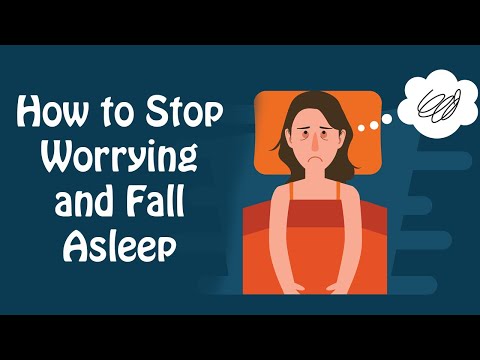
You know that feeling when your head hits the pillow, and your brain suddenly decides it’s time to run a marathon? Yup. Sleep anxiety is a real struggle.
It’s like you’re so ready to catch some Zs, but then—you can’t stop thinking about everything. Life stuff, work, relationships… you name it. It can be pretty overwhelming, right?
But hey, you’re not alone in this. Lots of folks find themselves tossing and turning at night, caught in that anxious loop.
So let’s talk about some ways to tackle this sleep anxiety thing. There are psychological remedies that could help you chill out and get the rest you truly need. How cool would that be?
Overcoming Sleep Anxiety: My Personal Journey to Restful Nights
Overcoming sleep anxiety can feel like climbing a mountain, especially when all you want is a peaceful night’s rest. I get it. There was a time when my nights were filled with tossing and turning, every tick of the clock amplifying my worries. So, let’s chat about it—you know, what worked for me and some strategies you might find helpful.
First off, understanding sleep anxiety is crucial. Essentially, it’s that knot of fear and worry about not being able to fall asleep or stay asleep. You might lie there thinking about how tired you’ll be tomorrow or replaying stressful moments from your day. This creates a vicious cycle—more anxiety leads to less sleep, and less sleep just cranks up the anxiety even more!
One thing that really helped me tackle this was establishing a bedtime routine. I started winding down an hour before bed. Instead of scrolling through my phone or binge-watching shows, I switched to reading books or doing gentle stretches. I remember one night, after a particularly long week at work, I picked up an old favorite book—a simple story that took me far from my anxious thoughts. That shift made a world of difference.
Another strategy was creating a calming sleep environment. Do you have piles of clothes on your chair? Or maybe bright lights buzzing in your room? I cleaned up my space and invested in blackout curtains—seriously life-changing! Everything felt more peaceful and welcoming at night.
Then there’s the whole flashback to childhood trick: breathing exercises. It sounds cliché but bear with me! When lying awake with racing thoughts, I’d focus on taking slow breaths—inhaling for four counts, holding for four counts, exhaling for four counts. It helped quiet the mind. One night after practicing this technique, I actually felt my heart rate drop—like magic!
Another biggie is limiting caffeine and screen time, especially in the evenings. Those late-night cups of coffee? Yeah, huge no-no! I didn’t realize how much they were impacting my sleep until I cut them out entirely after 3 PM. And oh man, even though that last episode of my favorite show seemed essential at the time? My eyes felt like they’d been glued shut the next day if I watched too late.
And let’s not forget about talking it out. Sometimes just sharing your feelings can lighten that mental load. Whether it’s with friends or through journaling—it gives voice to those swirling thoughts in your head.
Lastly—and this one’s super important—don’t hesitate to seek professional help if things feel overwhelming. Talking to a therapist can provide tailored strategies that suit you personally; they can help unravel those deeper fears around sleep anxiety.
Remember: overcoming sleep anxiety isn’t something that happens overnight (no pun intended). Some nights will still be rough; that’s okay! It’s all about finding what works for you and sticking with it.
So next time you’re lying awake feeling restless, try some of these methods out! You might discover your own path towards restful nights too!
Understanding the Nighttime Anxiety: Why Falling Asleep Triggers Stress and How to Cope
Nighttime anxiety can be a total mood killer, right? You’re lying in bed, ready to drift off, but your mind’s racing like it’s running a marathon. Seriously, what’s up with that?
The thing is, falling asleep isn’t just about shutting your eyes. It’s like a fight between your brain and that nagging stress. Why? Well, for some people, nighttime brings out worries that get buried during the busy day. It could be about work, relationships, or just life in general. When the lights go out and silence fills the room, those thoughts can amplify and feel overwhelming.
Let’s break it down a bit. Here are some reasons why sleep can become a source of anxiety:
- Fear of not sleeping: When you’re anxious about falling asleep, you might start watching the clock or counting sheep—only to find that you’re more awake than ever.
- Past experiences: If you’ve had trouble sleeping before, that memory can trigger anxiety when it’s bedtime again.
- Your environment: Things like noise, light, or even an uncomfortable mattress can create a space that’s not exactly inviting for relaxation.
Now imagine this: You’ve had a long day. You plop into bed thinking about how tomorrow will be better. But then suddenly, every mistake you made comes rushing back: Did I send that email? What if I mess up that meeting? That’s when anxiety takes over!
But hey—it’s not all doom and gloom! There are ways to cope with nighttime anxiety:
- Create a bedtime routine: Doing the same calming activities every night—like reading or listening to soothing music—can signal to your brain that it’s time to wind down.
- Limit screen time: Those late-night TikTok binges? They can mess with your sleep hormones! Try putting away devices an hour before bed.
- Breathe deeply: Simple breathing exercises can help calm your mind and body. Just focus on your breath—inhale for four counts and exhale for eight.
It might sound simple but trust me—it works! You know those nights where you finally drift off after wrestling with thoughts for hours? Yeah, those suck.
Also remember this: everyone has those moments when sleep feels elusive. So don’t beat yourself up about it! Maybe try journaling before bed to clear your mind of swirling thoughts.
In short, nighttime anxiety is totally real—and you’re definitely not alone in this struggle. It might take some trial and error to find what truly helps you relax at night. But by developing strategies that work for you personally—you’ll be more equipped to tackle those stressful nighttime moments head-on!
Overcoming Mind Racing and Sleep Anxiety: Tips for Better Rest
You know, racing thoughts and sleep anxiety can really mess with your ability to get a good night’s rest. You’re not alone if you’ve found yourself staring at the ceiling while your brain won’t shut up. Let’s break down some ways to cope with this struggle so you can find some peace and get better rest.
First off, understanding what’s going on is a huge help. When you feel anxious, your mind tends to go into overdrive. It’s like that one friend who just keeps talking and won’t let you get a word in! Stressful thoughts start piling up, making it tougher to relax. Recognizing this cycle is the first step in breaking it.
One effective method is mindfulness meditation. Seriously, it feels weird at first, but just sitting quietly and focusing on your breath can calm that racing mind. You don’t need hours—just five or ten minutes before bed works wonders. Picture this: as you breathe in, imagine inhaling peace; as you exhale, let go of those worries like they’re floating away in a balloon.
Another trick? Establish a bedtime routine. Having consistent habits helps signal your brain that it’s time to wind down. Maybe it means shutting off screens an hour before bed or reading a book instead of scrolling through social media like usual. When I started doing this (switched from Netflix binges to reading), I noticed my sleep quality improved big time.
Speaking of screens, don’t forget about creating a restful environment. Keep your bedroom cool, dark, and quiet—like an oasis for sleep! Blackout curtains and white noise machines can really help block out distractions that might keep you awake.
Staying away from caffeine in the afternoon makes more sense than ever too! If you’re sensitive to caffeine (and who isn’t sometimes?), having that afternoon coffee could backfire when bedtime rolls around. Try swapping it for herbal tea or just stick to good old water.
Then there are journaling exercises. Writing down your thoughts before bed can be cathartic. It clears your mind of those pesky racing thoughts by transferring them onto paper. I remember one night writing about everything on my mind helped me realize how much clutter was floating around up there—it felt freeing!
Lastly, don’t hesitate to reach out for help if things feel overwhelming. Sometimes talking to someone—a friend or therapist—about what’s bugging you really helps put things into perspective and ease that anxiety for bedtime.
So remember: you’re not stuck with racing thoughts forever! With some simple changes and practices, better sleep is within reach!
You know that feeling when your mind just won’t shut off at night? It’s like it’s got a never-ending to-do list and sleep is nowhere on it. I remember a time when I’d lie in bed, staring at the ceiling, worrying about everything I hadn’t done that day or things that could go wrong tomorrow. It was exhausting, and honestly, pretty scary. Sleep anxiety can really mess with you; it’s like this cycle where the more you stress about not sleeping, the more awake you become.
There are some psychological remedies out there that can help break this cycle. First off, cognitive behavioral therapy (CBT) is often recommended for folks dealing with sleep issues. The main idea? It helps you to reframe negative thoughts about sleep and replace them with more positive ones. You may find yourself thinking, “I’m never going to get enough sleep,” and CBT can guide you toward thoughts like, “I’m doing my best.” Even just shifting your mindset a bit can make a world of difference.
Another thing to consider is mindfulness meditation. Look, meditation might sound all zen and mystical, but it really just means being present in the moment instead of spiraling into worry. You could try focusing on your breath or even using guided meditations designed specifically for sleep anxiety. I once tried one of those apps—kinda cheesy at first—but it turned out to be super helpful in calming my racing thoughts.
Then there’s the good old bedtime routine. Creating a relaxing pre-sleep ritual can signal to your brain that it’s time to wind down—like reading a book or sipping some herbal tea instead of scrolling through your phone (guilty!). The key is consistency; your body loves knowing what comes next.
And let’s not forget about sharing what you’re feeling with someone else! Sometimes just talking things out with a friend or therapist can lift this heavy weight off your shoulders. They might even share their own experiences which can make you feel less alone.
So yeah, dealing with sleep anxiety isn’t easy by any stretch of the imagination—trust me on that—but trying out these remedies might help ease some of those restless nights. And who knows? You might help someone else find their way back to dreamland too!