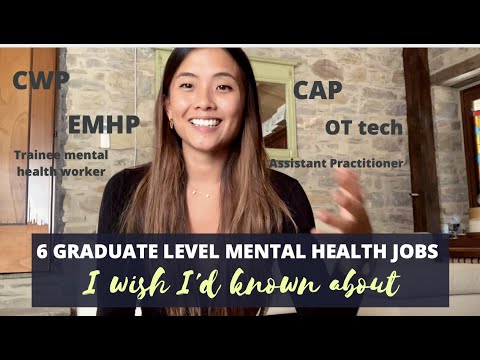
Alright, so here’s the deal. You’re in the mental health or psychology field, right? And you’re probably thinking, “Is there a way I can do this from my couch?”
Well, guess what? There totally is! Remote opportunities are popping up everywhere. Seriously!
Imagine helping people with their struggles while sipping coffee in your PJs. Sounds pretty sweet, huh?
It’s a game-changer for so many folks looking to balance work and life while making a difference. So let’s chat about how you can jump into this world!
Exploring Remote Job Opportunities with a Psychology Degree: Your Path to Success
Remote job opportunities for those with a psychology degree? Oh, there’s a lot out there! Seriously, the landscape of work has changed, and many roles that used to be in-person are now remote. This is great news if you’re passionate about psychology but want the flexibility of working from home.
Now, let’s break down some paths you can take with your psych degree.
1. Online Therapy or Counseling
If you’ve got a master’s or higher, providing therapy online is totally an option. Many platforms connect licensed therapists with clients looking for support without needing to meet face-to-face. It’s rewarding work that can fit into your schedule quite nicely.
2. Research Positions
Research hasn’t stopped just because people are working from home! There are remote positions where you can work on psychological studies or data analysis. You could contribute to important findings while chilling in your sweats.
3. Writing and Content Creation
You know how there’s always content being churned out about mental health? You could use your expertise to write articles, create educational material, or even blog about psychology topics that interest you! Lots of organizations are on the lookout for knowledgeable writers.
4. Human Resources and Employee Wellbeing
Companies care about their employees’ mental health more than ever now. If you’re into organizational psychology, consider remote HR roles focusing on employee wellness programs or training sessions. You’d be making a real impact there!
5. Online Education and Teaching
With so many people heading back to school online, teaching psychology courses remotely is an awesome opportunity too! Whether it’s community colleges or university classes, sharing your knowledge can be fulfilling.
You might feel like these roles are super competitive—and they can be—but having that degree gives you a leg up! It shows potential employers that you’ve got essential skills like critical thinking and empathy.
But here’s the thing: it really helps to network and find connections in these spaces. Join online groups related to mental health careers or attend virtual workshops where you can meet people who might help open doors for you.
In a nutshell, if you’re exploring remote job opportunities with your psychology degree, you’ve got options galore! From therapy to education, there’s something for everyone willing to put themselves out there—and trust me, it can be incredibly rewarding work while letting you stay comfy at home!
Top High-Paying Jobs Earning $3,000 Monthly Without a Degree: Unlock Your Potential
So, you’re curious about scoring a high-paying gig in the mental health and psychology world without needing a fancy degree, huh? That’s totally doable! Let’s chat about some remote opportunities where you can earn around $3,000 a month. It’s surprising how many paths you can take that don’t require a traditional education.
Peer Support Specialist
This role is all about helping others who’ve been through similar challenges. Using your own experiences to connect with someone can be super powerful. You often need to complete a short training program, but it doesn’t require a degree. Many organizations are looking for passionate individuals ready to offer support, so this could be your stepping stone.
Behavioral Health Technician
You know how some people need extra help managing their mental health? That’s where this job comes in. As a Behavioral Health Technician, you might assist therapists or counselors by running group sessions or providing one-on-one support. While some places prefer experience or certification, many will hire folks willing to learn on the job, especially if you show initiative and empathy.
Life Coach
If you have great listening skills and the ability to inspire others, being a life coach might be your thing. While it helps to get certified (which usually doesn’t involve getting another degree), many clients are more interested in your vibe and approach rather than paper credentials. You can work with individuals remotely via video calls, setting your schedule as you go!
Social Media Manager for Mental Health Organizations
Hey, organizations need help with their online presence just like anyone else! If you’re savvy with social media platforms and enjoy writing content that uplifts people or spreads awareness about mental health issues, this could be your jam. You don’t need formal qualifications—just creativity and an understanding of mental wellness.
Crisis Hotline Operator
This role can be intense but super rewarding. You’ll provide immediate support to individuals in emotional distress over phone calls or chats at all hours of the day. Training is typically provided by the organization but doesn’t usually require advanced degrees; instead, they want empathetic listeners who can think on their feet.
American Psychological Association has resources that detail various careers in psychology that don’t always require degrees; it’s worth checking out!
One thing that’ll help no matter what path you choose: Networking. Seriously! Connecting with professionals in the field through webinars or online forums can open a lot of doors for remote opportunities that pay well without requiring that expensive piece of paper called “a degree.”
So yeah, while it may feel like a tall order to find high-paying jobs without formal education credentials in mental health or psychology fields—it’s not impossible! Keep pushing forward; there are paths out there waiting for folks like you who are ready to make an impact.
Exploring Career Alternatives: Top Jobs for Mental Health Therapists Beyond Therapy
Many mental health therapists often feel stuck in the therapy room, but there’s a whole world of opportunities outside of traditional therapy. Seriously, if you’re in the field and looking for a change of pace or just a new challenge, there are some cool career paths to consider. Let’s dive into some options!
1. Mental Health Coaching
This one combines your therapy skills with more casual coaching techniques. You’d help clients set goals and work through challenges in a less formal setting. You can do this remotely, connecting with clients via video calls or phone.
2. Corporate Wellness Specialist
Many companies are realizing the importance of mental health at work. As a corporate wellness specialist, you might develop programs that promote mental well-being among employees. Plus, there’s usually flexibility for remote work!
3. Content Creation
If you enjoy writing or creating videos, sharing your expertise through blogs, podcasts, or social media could be right up your alley! You can tackle topics like stress management or self-care and reach a broader audience.
4. Researcher
For those who love digging deep into psychology but want to stay away from sessions, research could be your jam! Many positions allow for remote work and you can contribute to important studies that influence mental health practices.
5. Program Development
Designing programs for schools or community centers can be incredibly rewarding. You’ll create resources that make mental health knowledge accessible and relevant—sometimes even remotely!
6. Consultant
As a consultant, you might advise organizations on best practices related to mental wellness and therapeutic techniques. Your experience is invaluable in helping them implement effective strategies.
Remember when I was chatting with my friend Jenny? She was super burnt out from the traditional therapy route but found her niche as a wellness coach for busy professionals. Now she gets to inspire people while working from cozy coffee shops instead of an office!
So yeah, there are definitely many paths available if you’re looking to shake things up a bit in your career as a therapist! Whether it’s stepping into coaching or creating programs that help others understand their mental well-being better—there’s something out there for everyone interested in exploring beyond the therapy couch!
Alright, let’s talk about remote opportunities in mental health and psychology careers. You know, it’s kind of wild how much the landscape has changed recently. A few years ago, the idea of doing therapy or psychological assessments online seemed kinda out there. But now? It’s pretty mainstream.
My friend Sarah, a therapist, shared her experience with me not too long ago. She used to see clients in her cozy little office, which had this great vibe—warm colors, comfy chairs, all that jazz. But then she started doing virtual sessions and was amazed at how it expanded her reach. Suddenly she was able to help people from different states, even those in rural areas where mental health services are limited. It felt like she was part of something bigger—a lifeline for people who really needed it.
But with remote work comes a whole set of challenges too. For one thing, not everybody is comfortable with video calls. Some folks feel more vulnerable on screen; they don’t get that same sense of connection they do in person. Plus, tech issues can be a real pain sometimes! Imagine trying to pour your heart out while your WiFi is lagging—it can totally mess up the flow.
There’s also the question of maintaining boundaries and self-care when you work from home. You might start off super motivated but end up feeling drained after a day full of back-to-back virtual sessions in your living room—yikes! So finding a balance is key.
On the flip side, remote work can create opportunities that weren’t there before. Think about it: you could work for an organization based in another state without having to move or commute! It opens the door for so many professionals looking for flexible hours or wanting to juggle various roles at once.
So yeah, while remote opportunities come with their own quirks and complications, they also hold tremendous potential for growth and connection within the mental health field. It feels like we’re evolving into something more accessible and inclusive—and that’s something worth celebrating!