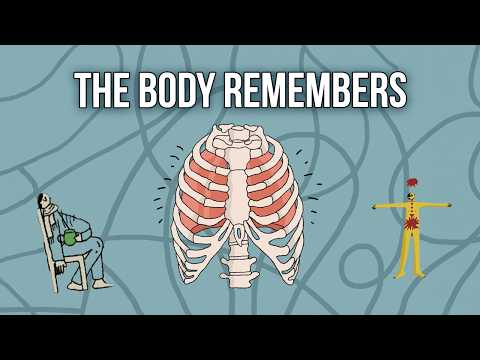
You know those feelings you just can’t seem to shake? Like, they linger in the background and you can’t quite put a finger on what’s causing them? Yeah, that’s super common. Sometimes, we push emotions deep down without even realizing it.
But here’s the kicker: those repressed emotions can have a big impact on your mental health. Seriously, it’s like carrying around an emotional backpack filled with heavy rocks.
Ever thought about how psychological testing could help dig those feelings up? It’s not as scary as it sounds! It’s more like a friendly chat with yourself that brings some clarity.
In this little journey, we’ll explore how these tests work and why they can be key for unlocking all those hidden feelings. So, grab your cup of coffee and let’s unpack this together!
Unlocking Emotional Freedom: Effective Strategies to Release Suppressed Emotions
Emotional freedom is something we all crave, right? It’s like shedding the weight of those unexpressed feelings that can really bog us down. The issue is that many of us suppress or repress emotions without even realizing it. Repressed emotions are feelings we might push aside because they’re too painful, uncomfortable, or just not convenient to face at the moment. This can lead to all sorts of emotional turmoil later on, so figuring out how to work through these feelings is key.
One effective way to start unlocking these bottled-up emotions is through psychological testing. Seriously! It sounds fancy, but it can be really helpful. These tests can help identify patterns in your thoughts and feelings that you might not be aware of—like shining a light into dark corners of your mind. You know, those spots where you hide stuff you don’t want to deal with.
Here are a few strategies that can help with releasing suppressed emotions:
- Journaling: Writing down your thoughts and feelings can be like opening a valve on a pressure cooker—things start flowing out. You don’t have to be Shakespeare; just let your pen do the talking.
- Talk Therapy: Chatting with a therapist can provide a safe space for exploring those deep-seated feelings. They’re trained to help you dive in without judgment, so you can pull out what’s been lurking inside.
- Mindfulness and Meditation: These practices encourage staying present and recognizing emotions as they come up instead of pushing them away. It’s like shining a flashlight on them so they’re less scary.
- Creative Expression: Sometimes words aren’t enough. Painting, dancing, or even acting out scenes from your life can let those feelings spill out in a productive way.
- Breathe It Out: Simple breathing exercises help calm the mind and body. When you slow down and focus on breathing deeply, it’s easier to feel what’s been stuffed inside.
You know, I’ve heard stories from friends who really struggled with this stuff. One told me they had no idea how angry they felt about their childhood until they started journaling daily. At first, they thought it was just fluff—nothing major—but soon enough, they were unpacking years’ worth of hurt and frustration! Turns out feeling those things was essential for moving forward.
Another part of this emotional journey involves recognizing why we suppress our feelings in the first place. Maybe it’s fear—fear of rejection or judgment—or perhaps it’s just not knowing how to express yourself adequately.
As you bring awareness to these emotions through strategies like psychological testing or therapy sessions, remember: it’s okay to feel however you feel! Maintaining emotional freedom isn’t an overnight fix; it takes time and effort. But once you start working through those repressed emotions with kindness toward yourself? You might find that sense of relief you’ve been craving all along!
Understanding Repressed Emotions: Insights from Freud’s Psychoanalytic Theory
Repressed emotions can feel like this heavy backpack you’re carrying around without even realizing it. You’ve got stuff inside that you’ve packed away, and it starts weighing you down. According to Freud’s psychoanalytic theory, these emotions aren’t just floating in your mind—they mess with your thoughts and behaviors in ways you might not even notice.
What are repressed emotions? Basically, these are feelings that you’ve pushed down because they’re too painful or uncomfortable to deal with. Think about a time when you felt really sad or angry but didn’t show it—maybe someone hurt your feelings, and instead of saying anything, you just bottled it up. Freud believed that when we push these feelings away, they don’t just disappear; they can show up in unexpected ways.
Freud introduced the idea of the unconscious mind. This is like a storage room for all those tricky emotions and memories that we try to forget. Psychoanalysis, his therapy approach, aims to bring those repressed feelings back into the light so you can understand them better. It’s not all sunshine and roses; this process can be challenging but ultimately freeing.
Now, let’s talk about how psychological testing can help dig into those hidden feelings. Tests like projective tests—think Rorschach inkblot tests or Thematic Apperception Test—are designed to reveal what’s lurking beneath the surface. You look at an inkblot or a picture and share what comes to mind. Those responses can hint at unresolved issues you’re dealing with.
In therapy sessions, free association is also used a lot. This is when you say whatever pops into your head without filtering yourself. Sounds easy enough, right? But sometimes those unfiltered thoughts lead us right to the repressed stuff we’ve buried deep down.
Anecdote time! Imagine someone who lost a parent as a child but never grieved because they felt they had to be strong for others. They might think everything is fine until they start feeling anxious all the time without knowing why. A skilled therapist could use techniques from psychoanalysis to help them recognize that unresolved grief as one of those repressed emotions showing up as anxiety.
It’s essential to keep in mind that while Freud’s ideas have their share of criticism (and let’s be real, some parts seem outdated), they laid the groundwork for modern psychology’s understanding of how our past experiences shape our present lives.
In summary, understanding repressed emotions through Freud’s lens—and using tools like psychological testing—can be a path toward healing. It helps shed light on what’s been hidden away for too long and allows you to finally unpack that heavy backpack you’ve been hauling around all this time!
Discover Your Inner Self: A Comprehensive Repressed Emotions Test for Emotional Awareness
Sometimes, you just feel «off,» and you can’t quite put your finger on why. You’ve got these feelings bubbling up, but there’s a good chance you’ve tucked them away somewhere deep inside. This is what we call **repressed emotions**—feelings you’ve pushed down, either because they’re too intense or maybe even because they seem unacceptable to you at that moment.
Now, repressed emotions can mess with your head and heart in serious ways. They can contribute to anxiety, depression, and all kinds of physical issues. That’s where **emotional awareness** comes in handy. Basically, being emotionally aware means recognizing and understanding your feelings instead of just shoving them into a corner.
One way to explore these hidden feelings is through an **emotional awareness test**. This isn’t like a pop quiz in school, don’t worry! Think of it as a way to check in with yourself. Here’s how this typically works:
- Self-reflection: The test usually starts you off with questions about how you’re feeling in various situations.
- Scenario-based questions: You might be asked about hypothetical situations—like how you’d react if someone disrespected you—just to gauge your emotional responses.
- Physical sensations: Sometimes it asks if you feel tension or unease anywhere in your body when thinking about past experiences.
So here’s an example: Let’s say you get a question like, “How do you feel when someone compliments your achievements?” If you find yourself shrugging it off or feeling uncomfortable instead of happy, that might signal some deeper feelings at play.
When you’re taking the test, try not to overthink it. Just go with your gut response! You might discover that there are some tough emotions hanging around—like anger over something that happened ages ago or sadness about a lost friendship.
Once you’ve completed the test, it’s often useful to take the time to reflect on the results. Maybe the questions highlighted some emotional patterns you’ve noticed before but didn’t want to face.
It’s super important not to tackle this alone afterward if it stirs up anything heavy for you! Consider chatting with someone who gets it—like a therapist or a good friend. They can help guide you through processing those emotions so they don’t weigh so much on your heart anymore.
In short, using an emotional awareness test can be a gentle way to start peeling back those layers of repressed emotions and understanding what really lies beneath the surface of your daily life. It doesn’t have all the answers but might just open up some meaningful conversations inside yourself. Sounds pretty enlightening when you think about it!
You know, when we talk about emotions, it’s like peeling an onion—there are layers upon layers. Sometimes, you think you’re dealing with a particular feeling, but then it turns out there’s a whole bunch of stuff hiding underneath. That’s where psychological testing comes in.
A while back, a friend of mine was going through some tough times. She thought her anxiety was just about work stress. But after going through some assessments, it turned out she had some repressed feelings from childhood that were surfacing. It was eye-opening for her! Like she finally got to connect the dots between her past and present.
Psychological tests can feel kinda weird at first—like taking a quiz in school or something—but they serve a purpose beyond just measuring what’s on the surface. They help uncover those hidden emotions we don’t even realize we’ve locked away. It’s not just about ticking boxes; it’s about gaining insight into what makes us tick.
When you go through these tests, they often ask you questions that might seem random at first glance. But seriously, those questions? They can reveal patterns in your thoughts and feelings that you might not have noticed before. It’s like shining a flashlight into the corners of your mind where cobwebs have formed—you know?
But here’s the thing: while these tests can provide valuable information, they’re just one piece of the puzzle. You still gotta process those feelings afterward—that’s where therapy often comes into play. Talking things out and being supported as you explore those repressed emotions is crucial.
People might worry that uncovering repressed emotions will bring up all kinds of pain, and yeah, it can be uncomfortable to face what’s been hidden away for so long. But from what I’ve seen with my friend—and honestly so many others—it can lead to healing and growth too.
At the end of the day, psychological testing isn’t just about figuring out what’s wrong; it’s also about opening up new pathways for understanding yourself better. And let me tell you, once those pathways are open—watch out! You might discover strengths and insights you never knew were there!