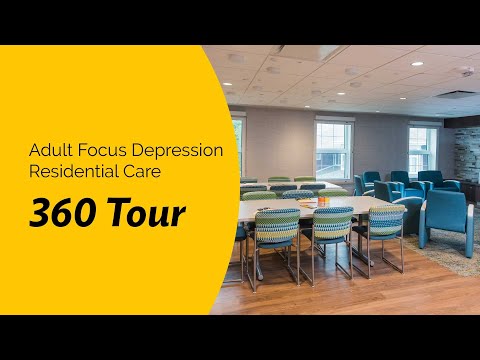
So, you’ve been feeling weighed down by this cloud called depression, huh? It can be a pretty rough ride. You wake up, and it’s like the world is just a bit dimmer than usual.
And then, there’s that moment when you wonder: is there something more? Something that can actually help? Well, that’s where residential therapy pops in.
Imagine taking some time away from your everyday life and diving deep into healing. Sounds kinda nice, right? It’s not just about the therapy part; it’s about being in a place where you can focus entirely on yourself.
You get support from professionals who genuinely care and peers who totally get what you’re going through. It might feel overwhelming at first, but honestly, it could be the lifeline you didn’t know you needed. Ready to explore this path to healing together?
Exploring the Relevance of RRTP in Modern Mental Health Practices
Residential Treatment Programs (RRTPs) are really stepping up in today’s mental health world. They provide a space where people can take a break from their everyday lives and dive deep into healing, especially when it comes to issues like depression. It’s like hitting the pause button, allowing for some serious self-reflection and structure.
What’s the deal with RRTPs? Well, these programs are designed for individuals who need more than just outpatient therapy. They offer a mix of support, therapy, and community living. Think of it as an intensive environment where you can work on your mental health without the usual distractions or stresses of daily life.
One of the key focuses in these settings is on therapy. You’re typically looking at a variety of therapeutic options: individual sessions, group therapy, maybe even family involvement. Each person’s treatment is usually tailored to what they need most at that moment. For someone struggling with heavy feelings of sadness or hopelessness, being surrounded by trained professionals can make all the difference.
And what about community? That’s vital too! Living with others who are facing similar challenges might feel intimidating at first, but it can also be incredibly healing. Sharing stories and supporting one another creates a sense of belonging that often gets lost outside those walls. You see people working through tough stuff together—it’s really something powerful.
Another big point: structure. The daily routine in an RRTP provides a framework that many find comforting. You’re not just sitting around all day; there are set times for meals, activities, and therapy sessions. It helps instill habits that you can carry back into your life once you leave the program.
Now let’s talk about the skills you learn. These programs often focus on coping mechanisms and life skills that are super helpful long-term. Whether it’s managing stress or recognizing triggers for depressive episodes, having practical tools can be lifesaving when you’re back in the real world.
Of course, this isn’t the right fit for everyone; not every person dealing with depression needs this level of care—some might find what they need through outpatient treatment or other methods. But for those whose conditions are more severe or who feel stuck in their healing journey, RRTPs can provide a much-needed lifeline.
In short, Residential Treatment Programs play a significant role in modern mental health practices by offering intensive therapy in a supportive environment. They help individuals not only tackle their depression but also build connections and learn vital skills—turning what could feel like an endless battle into something manageable and hopefully even hopeful over time.
When to Consider Inpatient Treatment for Depression: Key Signs and Guidance
When you’re dealing with depression, it can be tough to know when it’s time to seek more help. Inpatient treatment, often called residential therapy, can play a crucial role in your recovery. The thing is, not everyone will need this level of care. So let’s break down some signs that might indicate it’s time for you or someone you know to consider inpatient treatment.
First off, if you’re feeling constantly overwhelmed by your feelings, it might be a big red flag. When day-to-day tasks become impossible because of your mood, like getting out of bed or even showering, that could suggest a need for more support. Feeling hopeless or helpless is another sign—like there’s no way out of the darkness.
Another key indicator? Suicidal thoughts or self-harm behaviors. If you find yourself thinking about harming yourself or feeling like life isn’t worth living, it’s critical to reach out for help immediately. Seriously, don’t brush those feelings aside; they matter deeply.
Also, if your depression has been hanging around for an extended period and traditional outpatient therapy isn’t cutting it anymore, inpatient treatment might be the next step. You know how sometimes you’re doing what you’re supposed to—seeing a therapist and maybe even taking meds—but nothing’s changing? That could mean it’s time for a more intensive approach.
Let’s not forget about safety concerns too! If you’re in an environment where your safety feels compromised (think toxic relationships or overwhelming stress), an inpatient program can provide the stability and protection needed to begin healing.
Another sign is when your physical health starts slipping because of your mental state. Maybe you’ve lost weight suddenly or have had significant changes in sleep patterns—these can really impact how you feel inside and may hint at the need for residential care.
Also consider your support system. If you feel isolated from friends and family or they don’t understand what you’re going through, inpatient treatment offers not just professional help but also connection with others who get it—who are going through similar struggles.
Finally, if you’ve got co-occurring issues like substance abuse alongside depression, then inpatient care can provide comprehensive support tailored specifically for these challenges. That’s really important because treating both conditions together is often necessary for lasting recovery.
So yeah, if any of these signs resonate with you or someone close to you—don’t hesitate to reach out for help! Inpatient treatment isn’t a failure; it’s simply another step on the path toward healing that says you’re serious about getting better. Remember: everybody deserves support on their journey back to feeling good again.
When Is Residential Treatment Necessary? Understanding the Signs and Benefits for Mental Health Recovery
Sometimes, the road to recovery from mental health issues can be really tough. You might be feeling overwhelmed, trapped in a cycle of sadness or anxiety that just won’t let go. When you reach that point, **residential treatment** can step in as a beacon of hope.
So, what’s the deal with residential treatment? Basically, it’s a live-in program designed to offer intensive support for people struggling with serious mental health conditions. It’s like taking a timeout from the chaos of life where you can focus solely on your healing.
Now, when should you consider this kind of setup? There are some clear signs:
To paint a clearer picture: think about someone who used to love going out with friends but now finds it hard just getting out of bed. Maybe they’re struggling with deep depression or anxiety that makes socializing seem impossible. For them, residential treatment could offer a structured environment where they receive therapy and support tailored to their needs.
One major benefit? **24/7 Support**. Imagine having access to therapists and counselors around the clock. This kind of environment allows for immediate intervention when things feel overwhelming.
Also, you get immersed in **therapeutic activities** every day—group therapy sessions, individual counseling, mindfulness practices—you name it! It’s like an intensive boot camp for your mind and emotions.
But wait! It’s not just about the therapy sessions; there’s also often space for creative outlets. Art therapy or music therapy could help express feelings in ways words sometimes can’t reach.
Another bonus is community support. Being surrounded by others who are facing similar struggles can make you feel less alone. It creates this sense of camaraderie—healing together gives hope.
Residential treatment isn’t a one-size-fits-all solution though—it requires commitment and willingness on your part. Back home after treatment? You’ll want an aftercare plan in place so those tools you’ve learned can keep working for you.
There’s no shame in seeking help when things get rough—everyone deserves the chance at healing and happiness! If residential treatment feels like something worth exploring more deeply because you or someone close is struggling, reaching out to professionals can be a great first step toward recovery.
You know, when it comes to dealing with depression, the journey can feel like trying to climb a mountain in flip-flops. It’s tough! Even just taking that first step to get help can feel overwhelming. That’s why residential therapy can be such a game-changer for many people. Seriously, it’s like having a solid pair of hiking boots for that climb.
Think about it: when you’re in the thick of depression, going through everyday life can be exhausting. You might find yourself dragging your feet just getting out of bed. Then, there’s the weight of trying to “put on a brave face” for everyone around you. It’s like wearing a mask so heavy you feel it more than just on your face—it’s in your chest, too.
Now, residential therapy isn’t some magic fix-all solution, but it offers something pretty unique: an immersive environment focused solely on healing. It’s like hitting the reset button in an actual supportive space where everyone gets it. You wake up with people who understand what you’re going through and have professional support right there with you.
I remember hearing about a friend who went through this kind of program. At first, she felt nervous and thought everyone would judge her for being there. But after some time? She found herself laughing again and forming real connections with others who shared similar struggles. The emotional ups and downs were still real—like waves crashing on the shoreline—but she learned how to ride those waves instead of letting them drown her.
What happens in these settings is crucial too! There are group sessions where you share stories and hear others’ experiences; it’s powerful stuff! And individual therapy helps dig deep into those roots of feelings that are holding you back. You learn coping techniques that stick with you long after you’ve left.
Sure, it can be hard to be away from home and familiar faces for a while. But think about what you’re gaining: tools for life, understanding yourself better, finding joy again—even if it’s just tiny moments at first!
So yeah, residential therapy isn’t just about getting through depression; it’s about rediscovering who you are beyond those dark clouds hanging over your head. If you or someone you know is considering this path, give yourself grace to explore it because healing looks different for everyone—and sometimes that journey leads us exactly where we need to be.