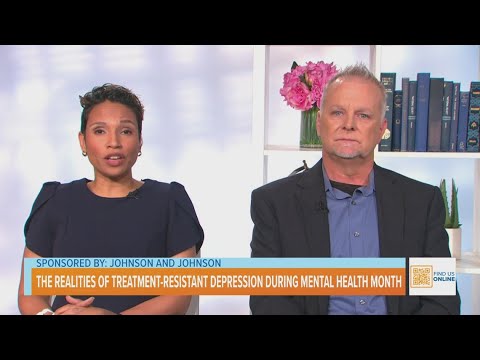
So, let’s chat about something that hits pretty close to home for a lot of folks: resistant depression. You know, that heavy feeling that just won’t lift no matter what you do?
It’s like you’ve tried everything—therapy, meds, self-care—and still find yourself stuck in a rut. Frustrating, right? And the worst part? People often don’t realize just how real it is.
Sometimes it can feel isolating. You might think, “Why can’t I just snap out of it?” But hey, you’re not alone. There are ways to recognize those sneaky symptoms and get a handle on things.
So let’s break this down together. It’s time to shine some light on what resistant depression really looks like and how you can deal with it.
Recognizing Treatment-Resistant Depression: Key Signs and Insights
Recognizing treatment-resistant depression can feel like you’re stuck in a fog that never lifts. You might have tried different therapies or medications, but nothing seems to do the trick. That’s frustrating, right? It’s essential to spot the signs so you can talk to a healthcare provider and figure out your next steps.
Key Signs of Treatment-Resistant Depression:
- Persistent Symptoms: You’ve been feeling down, hopeless, or irritable for months on end. If these feelings don’t budge despite trying treatments, it could be a sign.
- Recurrent Episodes: Maybe you’ve had several depressive episodes over the years. If they keep coming back—even after treatment—it might indicate something more stubborn.
- Severe Impairment: Your daily life is taking a hit. Whether it’s work, school, or relationships, if you find it hard to function because of your mood, this is worth noting.
- Limited Response to Treatment: You’ve tried multiple medications or forms of therapy with little to no improvement. This often leads people to wonder if their depression is resistant to treatment.
- Physical Symptoms: Sometimes depression shows up in physical ways: constant fatigue, sleep issues or even unexplained aches and pains could be red flags.
Let’s break these down a bit more. Imagine waking up every day feeling like you’re carrying a heavy backpack filled with rocks. That’s what persistent symptoms can feel like—no relief in sight! And when you’ve already gone through multiple therapies without any real change? That just adds insult to injury.
What really stings is when your friends say things like «Just try harder» or «Snap out of it.» If only it were that easy! This shows how important awareness is for both you and those around you. It’s tough for others if they don’t understand what you’re going through.
Also, think about how debilitating treatment-resistant depression can get when it interferes with your life. Have you lost interest in things that used to bring you joy? Or maybe social gatherings feel exhausting instead of uplifting? That’s why recognizing these signs isn’t just about labeling your struggle; it’s about seeking the right help.
If any of this sounds familiar, don’t hesitate to reach out for support. Speaking with a mental health professional can provide new insights and possible approaches that might work better for you moving forward. Remember, you’re not alone in this—and there are options out there worth exploring together!
Top Add-Ons for Overcoming Treatment-Resistant Depression: Exploring Effective Options
Treatment-resistant depression can feel like a heavy fog that won’t lift. You know, it’s when standard treatments like therapy or medications just don’t cut it. If you or someone you know is dealing with this, it’s totally okay to feel frustrated. The thing is, there are options out there that might help lighten the load.
First off, let’s talk about therapy adaptations. Sometimes traditional talk therapy doesn’t hit the mark. Consider therapies like dialectical behavior therapy (DBT) or acceptance and commitment therapy (ACT). These approaches focus on managing emotions in different ways. They can help you address those painful thoughts and feelings without trying to fight them off constantly. It’s kind of like learning to dance with your feelings instead of wrestling them.
Then, there’s the option of medication adjustments. If you’ve been on the same antidepressant for a while and it’s not working, your doctor might suggest changing things up. There are also combo treatments—like pairing an antidepressant with another type of medication, such as a mood stabilizer or an antipsychotic. It sounds complicated, but it can really make a difference if one med isn’t enough.
And hey, have you heard about transcranial magnetic stimulation (TMS)? It’s a non-invasive treatment that uses magnetic fields to stimulate nerve cells in the brain. This isn’t as sci-fi as it sounds; it’s actually been shown to help those who don’t respond well to other treatments. You sit in a chair for about 20-40 minutes, and after a few sessions, some people start noticing improvement.
Another option is ketamine infusion therapy. It’s been getting more attention lately because for some folks, ketamine—traditionally an anesthetic—can bring quick relief from depressive symptoms when other meds haven’t worked for them. It usually involves receiving IV doses in a controlled setting under medical supervision.
Let’s not forget about lifestyle changes. I mean really! Things like exercise can boost your mood too—seriously! Regular physical activity helps release endorphins which naturally elevate your mood over time. And nutrition is key too; what you eat impacts how you feel emotionally as well!
You might also consider engaging in more structured routines through things like support groups or community activities—often overlooked but they can provide connection and encouragement when you’re feeling alone in your struggle.
Lastly, if you’re struggling with sleep issues related to depression—which happens often—don’t underestimate good sleep hygiene practices! Establishing a regular sleep routine can improve how you feel overall.
Look, battling treatment-resistant depression isn’t easy at all; it takes time and patience to find what clicks for you. But exploring these options with your doctor or therapist could open up new avenues for feeling better again. Just remember: there are people—and treatments—out there willing to help you through this journey!
Effective Strategies and Treatments for Overcoming Treatment-Resistant Depression
So, treatment-resistant depression is like a tough nut to crack. You might feel like you’ve tried everything—medications, therapy, lifestyle changes—and still find yourself stuck in a gloomy slump. But don’t lose hope! There are some effective strategies and treatments that can help you make progress.
Recognizing Symptoms is the first step. If you’ve been feeling persistently sad, hopeless, or just plain “meh” for months, and traditional treatments haven’t worked, you might be dealing with treatment-resistant depression. Other signs can include changes in sleep patterns, appetite fluctuations, or difficulty concentrating. Sometimes it feels like a heavy fog that just won’t lift.
Medication Adjustments are often the first route to explore. Doctors might suggest trying different antidepressants or combinations of medications. For instance, adding an antipsychotic or a mood stabilizer to your current regimen could make a difference. Just keep in mind that sometimes it takes a bit of trial and error.
Another option is Ketamine Therapy. Yup, this isn’t just for party vibes anymore. Low doses of ketamine have been shown to provide rapid relief for some people with chronic depression when other treatments have failed. It’s not for everyone and comes with its own risks and considerations—so chatting about this with your doctor is key.
Psychedelic Treatments, including psilocybin (the magic stuff in certain mushrooms) and MDMA therapy, are being researched more these days too! Early findings suggest they might help reset brain patterns that contribute to depression—a bit like hitting the “refresh” button on your computer.
Cognitive Behavioral Therapy (CBT) can also play a big role here. It’s about changing unhelpful thought patterns and behaviors that keep you feeling down. Even if medications haven’t worked well for you yet, engaging in CBT might offer some new tools to cope with those heavy feelings.
If you’re feeling extra brave (and ready for something different), Transcranial Magnetic Stimulation (TMS) could be an option. TMS uses magnetic fields to stimulate nerve cells in the brain connected to mood regulation. It sounds sci-fi-ish but has had positive outcomes for many folks who felt stuck.
Ect (Electroconvulsive Therapy), though often seen as a last resort due to its history and the way it’s portrayed in movies, can seriously work wonders when nothing else does. It’s all about giving your brain a little jumpstart; many people report significant improvements after treatment.
Lifestyle Changes matter too! Regular exercise releases endorphins—the feel-good hormones—and can really boost your mood over time. Eating a balanced diet rich in omega-3s (think fish) or antioxidants (like berries) also supports brain health.
You know what else helps? Support Networks. Don’t underestimate the power of connecting with friends or groups who understand what you’re going through.” Sharing experiences can provide comfort. Plus, talking about your struggles openly may help ease the weight on your shoulders!
The path out of treatment-resistant depression isn’t always straightforward; it’s kind of messy at times! But by exploring these varied options—medications adjustments, therapy approaches like CBT or TMS, lifestyle tweaks—you’re taking steps toward finding what works best for you.
Your journey through this doesn’t have to be done alone either; partnering closely with healthcare professionals is essential for finding new solutions that can lift that fog away from your life one day at a time!
You know, mental health can be such a tricky thing to navigate. One day you’re feeling okay, and the next, it’s like you’re in a fog that just won’t lift. And then there’s this concept called resistant depression. It’s when the usual treatments—like therapy or medication—just don’t seem to work. That can feel really disheartening, right?
Think about it: let’s say you’ve been on meds for months. You did everything your therapist recommended, but instead of feeling better, you’re still stuck in that heavy emotional weight. It’s frustrating and confusing—almost like running on a treadmill but going nowhere.
Now, recognizing symptoms of resistant depression can be complicated because they often overlap with regular depression symptoms. You might experience things like persistent sadness, loss of interest in activities you used to enjoy (seriously, even ice cream doesn’t sound good anymore?), trouble sleeping or sleeping too much, changes in appetite… the list goes on.
But what makes it resistant? It’s when those feelings become entrenched and don’t respond well to treatment over time. You may find yourself feeling hopeless or helpless about your situation. And if you’ve been there—or know someone who is—it can feel isolating.
A close friend of mine struggled with this for years. She would go through phases where she seemed okay; then suddenly she’d slip back into that deep pit of despair. I remember one time she said something that really hit me: “I feel like I’m screaming for help but nobody hears me.” So heartbreaking! It just shows how vital it is to listen closely and recognize those signs—not just within ourselves but also in our loved ones.
If you suspect someone you know might be experiencing resistant depression, just being there makes a huge difference. Even simple gestures like checking in or offering support can mean the world—because sometimes all someone needs is to feel seen and heard amidst their struggle.
And if you’re battling something similar yourself? Don’t hesitate to reach out for help again! There are always options out there—you might need a different approach or even a new therapist who understands what you’re going through.
At the end of the day, mental health isn’t one-size-fits-all; it’s a journey with twists and turns. Recognizing those stubborn symptoms? That’s part of figuring out the path ahead together.