Breathing. It’s something we all do, like, all day long, right? But have you thought about how much it can actually help you feel better? Seriously.
Sometimes life throws us curveballs that leave us feeling stressed out or anxious. Ever experienced that tension in your chest or racing thoughts? Yeah, I’ve been there too.
But here’s the cool part: taking a few moments to just breathe can make a big difference. It’s not just about air; it’s about finding peace amid the chaos.
Imagine this: you’re stuck in traffic, and instead of losing your mind, you focus on your breath. Sounds easy enough, huh? Well, it can actually help ground you. Let’s chat about how breathing exercises can boost your mental wellbeing and resilience. Trust me; you’ll want to stick around for this!
Unlocking Mental Wellness: How Breathing Exercises Can Boost Your Mental Health
Breathing exercises might sound pretty basic, but trust me, they can pack a serious punch when it comes to mental health. You know that tense feeling in your chest when you’re stressed? Well, focused breathing can help ease that tension. It’s like hitting the reset button on your mind.
When you breathe deeply, it does more than just fill your lungs. It activates your body’s relaxation response. What happens is your heart rate slows down and your blood pressure drops. This is super helpful if you’re feeling anxious or overwhelmed.
Now, let’s talk about some specific techniques. There are a few popular ones that people swear by:
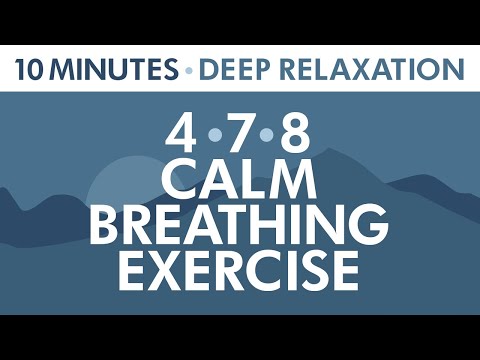
- 4-7-8 Breathing: You inhale quietly through your nose for four seconds, hold your breath for seven seconds, and then exhale completely through your mouth for eight seconds. It’s kind of like a mini vacation.
- Box Breathing: Picture a box in your mind. You inhale for four counts, hold for four counts, exhale for four counts, and then hold again for four counts. Rinse and repeat! This is often used by athletes and even military personnel to calm nerves.
- Diaphragmatic Breathing: This one involves breathing deeply into your belly rather than your chest. Place one hand on your chest and the other on your belly; aim to make the belly hand rise while the chest hand stays still.
Breathing practices not only help put the brakes on panic attacks but can also improve focus and emotional resilience over time. Like when I was preparing for an important presentation at work—I was totally freaking out! Just taking a few minutes to practice these techniques helped me feel way more grounded.
Furthermore, engaging in regular breathing exercises can improve mood levels too! Studies have shown that consistent practice might even lead to lasting changes in brain function related to stress regulation. It’s like giving your brain a workout.
So next time things get overwhelming or even just a bit hectic—maybe after an argument with a friend or during a busy day—remember there’s power in how you breathe. Just pause for a second and take those deep breaths; it really does make a difference!
Mastering the 5-5-5 Breathing Technique: A Simple Guide to Reduce Stress and Enhance Mental Clarity
So, let’s talk about the 5-5-5 breathing technique. Seriously, it’s one of those things that sounds super simple but can make a huge difference in how you feel. When stress is piling up like dirty laundry, this little trick can help clear some of that mental clutter and bring you back to center.
The 5-5-5 breathing method is all about taking control of your breath. The idea here is to inhale for five counts, hold for five counts, and exhale for five counts. Sounds easy, right? Well, it really is! This technique taps into your body’s natural response to stress by slowing everything down.
Here’s how it goes:
Repeat this cycle a few times. Even just three rounds can help reset your mind!
I remember when I first tried this during a particularly rough day at work. My anxiety felt like a suffocating blanket—everything was piling on me at once. Then I remembered this breathing technique someone had mentioned. I took those five breaths, kind of like hitting the refresh button on my brain; and wow, what a difference! My thoughts started to clear up just enough to allow me to tackle my tasks without feeling overwhelmed.
You know what else? This technique isn’t just good for stressful moments—it actually helps enhance mental clarity too! When you focus on your breath, it pulls your attention away from racing thoughts and into the present moment.
Plus, as simple as it seems, there’s something almost meditative about it; some people find their mind starts wandering less after practicing regularly. It becomes easier to concentrate on whatever needs your attention instead of getting lost in worries or distractions.
Incorporating the 5-5-5 method into your daily routine could be game-changing even outside stressful situations; try doing it in the morning before diving into work or whenever you feel an anxiety wave coming on. It doesn’t require any special tools or settings—just you and some quiet moment.
So yeah, mastering the 5-5-5 breathing technique isn’t just about calming down when things get tough; it’s also about building resilience over time! By practicing regularly, you’re training both your body and mind to respond differently when life throws curveballs at you. Plus, who doesn’t love finding new ways to chill out?
Unlock Mental Wellbeing: Free Breathing Exercises to Build Resilience
Breathing exercises are a powerful and often overlooked tool for mental wellbeing and resilience. Seriously, they can make a world of difference in how you handle stress, anxiety, and just day-to-day life. So, let’s break it down.
First off, breathing exercises help lower stress levels. When we’re stressed, our bodies go into this fight-or-flight mode, which isn’t great for mental health. By focusing on your breath, you’re basically sending a signal to your brain that it’s time to chill out. Deep breathing can trigger your body’s relaxation response.
Now, let’s get into some practical exercises! There are a few simple techniques you can try anytime. You don’t need fancy equipment or any training—just you.
- 4-7-8 Breathing: Inhale through your nose for 4 seconds, hold your breath for 7 seconds, and exhale slowly through your mouth for 8 seconds. It might sound weird at first but stick with it! This one really calms the mind.
- Box Breathing: Picture a box: inhale for 4 seconds, hold for 4 seconds, exhale for 4 seconds, hold again for 4 seconds. Repeat several times and notice how centered you feel.
- Diaphragmatic Breathing: This involves breathing deeply into your belly instead of just your chest. It promotes relaxation and increases oxygen flow in the body. Just place one hand on your chest and the other on your belly—try to make sure only the hand on your belly moves as you breathe in.
You might be surprised by how these little changes can uplift your mood. I remember chatting with a friend who was overwhelmed with work stress; she tried box breathing before an important meeting and said it totally helped her feel more grounded.
Another awesome thing about these exercises? You can do them anywhere! Seriously! Waiting in line? Stuck in traffic? Just take a moment to breathe deeply.
It’s worth noting that practicing these techniques regularly can help build resilience over time. Like working out at the gym strengthens muscles; consistent breathing practice fortifies your mental health!
And if you’re feeling overwhelmed or anxious right now? Just pause and give yourself permission to breathe deeply—right this second! It’ll help clear some of that fog away.
Remember though, these exercises aren’t a cure-all but they’re definitely stepping stones toward better mental health. Combine them with other self-care strategies like talking to friends or seeking professional support if needed.
In summary: breathing exercises are easy tools you can use to boost resilience and maintain mental wellbeing whenever life throws its curveballs at you! So why not give them a shot?
You know, sometimes life just throws everything at you all at once. And it can feel overwhelming, like you’re drowning under a wave of stress or anxiety. I remember a time when I had this huge project deadline looming over me. My mind was racing, my heart was pounding, and I felt like I couldn’t catch my breath. Ever been there?
That’s when I stumbled upon breathing exercises. At first, I thought, “Really? Breathing? How’s that gonna help?” But honestly, giving it a shot was a game-changer for me. When you focus on your breath, it’s like hitting the pause button on all those chaotic thoughts swirling around in your head.
The thing is, when you take those deep breaths—like really deep ones—you signal your body to chill out. It lowers that fight-or-flight response and kinda reminds you that you’re safe in the moment. Try taking a slow inhale through your nose for four counts, holding it for four counts, then exhaling through your mouth for six counts. Sounds simple, right? But I swear it changes the game.
And each time I’ve tried these exercises during particularly tough moments—be it before an important meeting or even when I’m feeling anxious about socializing—I’ve noticed how much more grounded and present I feel afterward. It’s almost magical how just a few moments of focused breathing can help clear the fog and make you resilient enough to face whatever comes next.
Plus, it’s super accessible! You can do this anywhere: tucked away in your room or even in the middle of a crowded coffee shop (I’ve done both). It doesn’t take any fancy equipment or apps; just you and your breath.
So if life feels heavy sometimes—and let’s be real, it often does—give those breathing exercises a whirl. You might just find that small moments of calm can build up into something pretty powerful for your mental well-being and resilience over time. Who knew something so basic could pack such a punch?