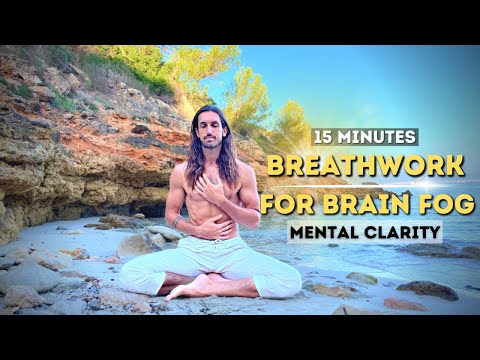
You know those moments when your brain feels like a crowded subway at rush hour? Everything’s buzzing, and it’s hard to think straight. Yeah, I get that.
Well, let me tell you about something pretty cool: retractable breathing techniques. Sounds fancy, right? But really, it’s just a simple way to find some calm in the chaos.
Imagine being able to hit pause on all that noise and clear your head on demand. Sounds like magic, huh? Stick around, and I’ll share how these breathing tricks can help you find that sweet spot of mental clarity and chill vibes.
Discover the Calming Power of Breathing Techniques for Mental Clarity and Relaxation
Breathing techniques, huh? They might sound simple, but trust me, they pack a punch when it comes to helping you find mental clarity and a bit of relaxation. When life gets chaotic—and let’s be real, it often does—learning how to control your breath can be like finding an anchor in a stormy sea.
So what really happens when you focus on your breathing? Well, it’s all about the connection between your mind and body. Your breath can influence how you feel and think. When you’re stressed, you might breathe quicker or more shallowly without even noticing it. This can make anxiety worse. But if you take a moment to slow things down and breathe deeply, it’s like hitting a reset button.
Here’s where those breathing techniques come in handy. Let’s talk about a few that are super easy to try anytime—seriously, you don’t need any special equipment!
- Deep Breathing: Just sit comfortably or lie down. Inhale deeply through your nose for about four counts, hold for four counts, and then exhale through your mouth slowly for six counts. Repeat this several times until you feel your body starting to relax.
- Box Breathing: Imagine a box shape in your mind. Breathe in for four counts (one side of the box), hold for four (the next side), breathe out for four (the third side), and hold again for four (the final side). This technique is often used by people needing quick focus—think athletes or even soldiers!
- Nasal Breathing: Try breathing in through one nostril and out through the other. Close off one nostril with your finger while inhaling deeply through the other side, switch fingers to exhale from the opposite nostril. This might sound peculiar but gives balance to both sides of the brain.
The beauty of these methods is their flexibility; they’re so discreet! You could be waiting in line at the grocery store or sitting at your desk at work—nobody will even notice.
A friend of mine once shared how he was having an overwhelming day with stress from work and personal stuff swirling around his head. He decided to take just five minutes of his lunch break to focus on deep breathing. He said afterward he felt remarkably lighter—like he had shed some weight off his shoulders! It sounds cliché but truly taking that time made all the difference.
Now, I know what you’re thinking: Do these techniques really help with mental clarity? Absolutely! By calming down that racing heart and quieting those nagging thoughts, you’re allowing yourself some mental space where clearer thoughts can start flowing in.
It’s interesting how something as basic as breathing can boost relaxation while sharpening focus—it’s almost poetic if you think about it! So next time life feels overwhelming or just chaotic, don’t hesitate to pause and take a few breaths; it’s like giving yourself permission to hit “refresh.
Discover the Best Breathing Techniques for Enhanced Focus and Calmness
Look, when it comes to breathing techniques, they can seriously do wonders for focus and calmness. You might not think about it much, but your breath is like a superpower just waiting to be tapped into. When you’re feeling stressed or unfocused, the way you breathe can end up making things worse. That’s why knowing some good breathing techniques can be a total game changer.
First off, let’s get into the basics of **diaphragmatic breathing**, also known as belly breathing. This technique helps you engage your diaphragm fully and sends more oxygen to your brain. The way it works is pretty simple:
1. Sit or lie down comfortably.
Start by finding a chill spot where you won’t be interrupted.
2. Place one hand on your chest and the other on your belly.
You want to feel which part of your body is moving as you breathe.
3. Inhale deeply through your nose.
Try to fill up that belly with air while keeping your chest still.
4. Exhale slowly through your mouth.
Feel that tummy go down as you blow out the air like you’re blowing out birthday candles—nice and steady!
Doing this for just five minutes can ground you and make it easier to concentrate on whatever’s at hand.
Another cool technique is **4-7-8 breathing**. This one’s all about counting—like when you’re trying to fall asleep but keep tossing and turning because your mind won’t shut up! Here’s how it goes:
1. Inhale through your nose for 4 seconds.
Count in your head while letting that air fill up!
2. Hold that breath for 7 seconds.
This one feels a bit weird at first, but hang in there.
3. Exhale slowly through your mouth for 8 seconds.
Make a whooshing sound if it helps!
Each cycle of this gives you a moment of calm—like pressing the reset button on those racing thoughts.
Then there’s something called **box breathing**, which is great if you’re feeling anxious or overwhelmed about something specific—like giving a presentation or having a tough conversation:
1. Inhale through your nose for 4 seconds.
2. Hold for another 4 seconds.
3. Exhale through your mouth for 4 seconds.
4. Hold again for 4 seconds before repeating.
The idea here is that you’re creating a ‘box’ with each breath cycle, keeping everything even and steady—which can really help calm those jitters!
And don’t forget about **mindful breathing** too! This one’s not just about counting; it’s about paying attention to each breath—kind of like how you’d savor chocolate cake (no guilt!). As you breathe in and out, notice how the air feels entering and leaving your body.
To put it all together:
- Belly Breathing: Engage the diaphragm for relaxation
- 4-7-8 Breathing: Counted breaths for stress relief
- Box Breathing: Structured breaths to ease anxiety
- MIndful Breathing: Focused awareness on every inhale/exhale
You know, I once tried these techniques before heading into an important meeting—I was so nervous my stomach felt like butterflies were having a dance party! But once I did some deep belly breathing beforehand, my mind cleared up quite a bit, allowing me to focus on what mattered instead of worrying about tripping over my words.
So keep these techniques handy! Whether you’re tackling daily stress or need clarity during chaotic moments, proper breathwork could really change the game for you—seriously!
Is 4-7-8 Breathing Safe? Exploring the Risks and Benefits of This Relaxation Technique
Sure! So, the 4-7-8 breathing technique has really gained popularity for helping people chill out and manage their stress. But, of course, you’re probably asking yourself if it’s actually safe. Let’s break this down.
What is 4-7-8 Breathing?
Basically, this technique involves inhaling for four seconds, holding your breath for seven seconds, and then exhaling for eight seconds. It’s like a mini meditation that can help you calm down when life gets a bit overwhelming.
Benefits of 4-7-8 Breathing
So why should you try it? Here are some of the cool things about it:
- Reduces Stress: Many people find that doing this helps lower their anxiety levels.
- Improves Sleep: If you’re tossing and turning at night, practicing it may help you drift off.
- Mental Clarity: Some folks say they can think more clearly after doing it.
But then there are some risks too. You know how everything has its downside?
Potential Risks
While it’s generally safe for most people, here are a few things to keep in mind:
- Dizziness: If you’re just starting out, hyperventilating can happen if you rush through the breaths.
- Anxiety Spike: For some people with anxiety disorders, holding your breath might actually make things feel worse—like more anxious or panicky.
There was this one friend of mine who tried it after hearing all the buzz. She said she felt great at first but sometimes got lightheaded during the hold part, especially when she was stressed. It was a bit of a learning curve for her.
A Few Tips
To make sure you’re benefiting as much as possible while staying safe:
- Start Slow: Begin with just a few cycles instead of pushing yourself to do a lot right away.
- A Comfortable Position: Make sure you’re sitting or lying down in a cozy spot where you feel relaxed.
Ultimately, the 4-7-8 technique can be beneficial if approached mindfully. Just listen to your body! If something feels off or uncomfortable, it’s totally okay to take a step back or try another method.
In short? It’s cool to give it a go as long as you’re aware of your limits and how your body responds. You know what works best for you!
You know those days when your mind feels like it’s running a mile a minute? Seriously, it can be overwhelming. Sometimes, all you really need is to take a step back and breathe. That’s where retracable breathing techniques come into play—they’re like your mental reset button.
I remember a time not too long ago when I was just swamped with deadlines. It was like my brain had hit a traffic jam, and every thought was stuck in there, honking for attention. So, I tried this simple breathing thing that I had read about. Basically, you inhale deeply through your nose, hold it for just a moment, then exhale slowly through your mouth as if you’re blowing out candles on a cake. The first time I did it, I felt this rush of clarity wash over me. It’s wild how something as simple as breath can help clear the fog.
The best part? You can do these techniques anywhere—at home, in your car before stepping into work, or even while waiting in line at the grocery store. They’re discreet yet powerful; it’s like having this little secret weapon against stress.
What’s fascinating is how different patterns of breathing can actually shift your mood and mental state. You might find yourself feeling grounded or even energized after just a few minutes. It’s all about being in tune with your body and giving yourself permission to pause.
But it’s easy to forget to use these techniques when life gets busy, right? That’s why practice makes perfect with this stuff! Before you know it, you’re casually incorporating them into daily moments—taking those breaths becomes second nature.
The journey to mental clarity doesn’t have to be complicated or serious; sometimes it’s as simple as remembering to breathe—and really focusing on it while you do. So next time life feels like a whirlwind, just hit pause for a moment and take those deep breaths; trust me on this one—it makes all the difference!