You ever hear someone mention reuptake inhibitors and think, “What in the world is that?” Yeah, same here.
So, here’s the deal: these fancy-sounding meds are actually pretty important in mental health treatment. They help adjust the levels of certain chemicals in your brain. You know, the ones that can seriously mess with how you feel?
It’s like trying to fix a blender that won’t blend—sometimes you gotta tweak some things to get it working again.
In this little chat, we’re gonna break down what reuptake inhibitors actually do and how they fit into taking care of your mental health. Spoiler alert: it’s all about balance!
Understanding SNRI Medications: Benefits, Uses, and Potential Side Effects
Hey there! Let’s talk about SNRIs, or serotonin-norepinephrine reuptake inhibitors. That’s a mouthful, right? But don’t worry, we’ll break it down together.
SNRIs are a type of medication often prescribed for mental health issues like depression and anxiety. Basically, they work by balancing two key brain chemicals—serotonin and norepinephrine. When these chemicals are up to snuff, you might feel happier and more energetic. It’s like tuning an old guitar; when it’s in tune, everything sounds better.
Benefits of SNRIs
One major benefit is their effectiveness for treating major depressive disorder and generalized anxiety disorder. People often report feeling more balanced and less overwhelmed after starting them. Besides that, some studies suggest they can help with chronic pain conditions too! So if you’re struggling with both mood and pain, this could be worth discussing with your doc.
Common Uses
Aside from depression and anxiety, SNRIs may also be used for conditions like:
- Social anxiety disorder: Helps manage those intense feelings of dread in social situations.
- Panic disorder: Reduces the frequency and severity of panic attacks.
- Chronic pain: As mentioned earlier, they can ease discomfort linked to certain pain disorders.
Now let’s get real about the potential side effects. Just like any medication, SNRIs come with their own set of quirks. Some common ones might include:
- Nausea: This can happen when you first start taking them.
- Dizziness: Sometimes you might feel a bit lightheaded.
- Sweating: Yep, your body might decide it wants to sweat a little more than usual.
- Changes in appetite: Some folks feel hungrier or lose their appetite altogether.
- Sleep disturbances: Difficulty sleeping or feeling super tired during the day might sneak in.
It’s important to chat with your healthcare provider about these side effects because not everyone experiences them. And if they do pop up? Your doc can help find ways to manage them.
In my experience talking to friends who’ve tried SNRIs, it seems that finding the right one can take a bit of time. Some people hit the jackpot immediately while others need some adjustments along the way. It’s definitely a personal journey!
So here’s the deal: SNRIs have their perks and some potential hiccups too. If you’re curious or think you might need something like this to help navigate through tough times—definitely bring it up during your next appointment. No harm in asking questions! Remember: taking care of your mental health is super important!
Comprehensive Guide to SSRIs: Effective List of Common Selective Serotonin Reuptake Inhibitors
SSRIs, or selective serotonin reuptake inhibitors, are like the go-to medications for treating depression and anxiety. So if you’re curious about how they work, here’s a rundown.
How SSRIs Work
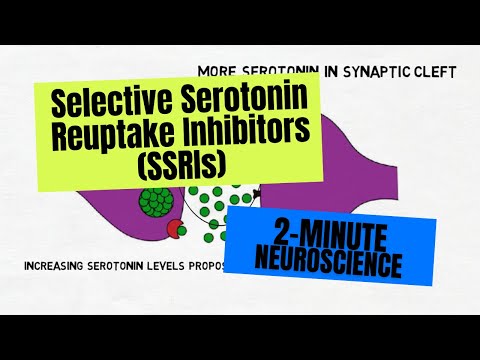
Basically, these meds focus on serotonin. That’s a chemical in your brain that helps regulate mood. When neurons communicate, they release serotonin into the gap between them. Normally, some of that serotonin gets reabsorbed back into the neuron—this is called reuptake. SSRIs block this process, leaving more serotonin available for your brain to use. More serotonin can mean a better mood or less anxiety.
Common SSRIs
There are quite a few SSRIs out there. Here’s a quick list of common ones:
- Fluoxetine (often known as Prozac)
- Citalopram (known as Celexa)
- Escitalopram (called Lexapro)
- Sertaline (marketed as Zoloft)
- Paroxetine (also known as Paxil)
Each one has its own quirks and may work differently for different people.
Efficacy and Side Effects
SSRIs can be really effective for many folks, but it’s not always smooth sailing. Some people feel better after just a few weeks! Others might need to try different ones to find what works best for them.
But then there are side effects to think about too. Some common ones include:
- Nausea.
- Headaches.
- Drowsiness or insomnia.
- Sweating.
- A change in appetite or weight.
These effects aren’t always severe—sometimes they fade after your body gets used to the medication.
The Importance of Professional Guidance
You know how it goes: starting any new medication should really happen under professional supervision. Your doc will likely want to monitor how you’re doing and adjust doses if needed.
I once knew someone who started taking Zoloft after struggling with anxiety for years. Initially, she had some headaches and felt kind of nauseous. But by the second week, she noticed that her racing thoughts calmed down significantly! It was like breathing fresh air after being underwater for so long.
Tapering Off**
Now let’s say you want to stop taking an SSRI; it’s not like just quitting cold turkey is advised. That can lead to withdrawal symptoms like dizziness or irritability—yikes! Instead, working with your healthcare provider on a tapering plan is key.
The Bottom Line**
SSRIs play an important role in mental health treatment by helping many people manage symptoms of depression and anxiety effectively. But every person is unique, so what works wonders for one may not do much for another. Keeping communication open with your doctor will make all the difference in finding what suits you best!
Understanding Selective Serotonin Reuptake Inhibitors: Key Examples and Their Impact on Mental Health
So, let’s talk about Selective Serotonin Reuptake Inhibitors, commonly known as SSRIs. These are a class of medications that are often prescribed to help with mental health issues, especially depression and anxiety disorders. But what do they do, and how do they work?
SSRIs focus on a neurotransmitter called serotonin. You know, the chemical in your brain that’s connected to mood regulation? Basically, when neurons send out serotonin, some of it gets reabsorbed back into the sending neuron – that’s called reuptake. SSRIs block this process. So more serotonin remains available in the space between neurons. This helps improve mood and reduce anxiety.
Now, you might be wondering how effective these medications actually are. Well, it varies from person to person. For many, SSRIs can significantly reduce symptoms of depression or anxiety. However, for others, it might feel like they’re just spinning their wheels without much change.
A really common SSRI you might have heard of is fluoxetine, which is often sold under the brand name Prozac. Another one is sertraline, known as Zoloft in the pharmacy world. Each has its unique traits but basically works on that lovely serotonin reuptake issue.
But here’s where things can get tricky: while SSRIs can help many people feel better, they’re not without side effects. Some folks have reported things like nausea, changes in sleep patterns or even sexual dysfunction – yeah, not super fun stuff! It’s kinda ironic because these meds aim to improve quality of life but can sometimes make things a bit tougher initially.
You know how everyone’s body is like its own unique snowflake? The same goes for reactions to medications. What works wonders for one person might not do much for another. That’s why it’s essential to chat with your doctor about how you’re feeling on these meds – adjustments might be necessary!
Also worth noting is that some people don’t realize that it may take time for SSRIs to kick in—like weeks instead of days. Patience really is key here! It’s kind of like planting a garden: you water and nurture those seeds before they break through the soil.
And let’s not forget about discontinuation syndrome; if someone stops taking an SSRI abruptly without a proper plan from their doctor? Things can get pretty messy—think withdrawal symptoms like dizziness or mood swings.
In short, SSRIs play an essential role in many people’s mental health treatment journeys by keeping serotonin around longer so that you can experience more stable moods and less anxiety over time! They aren’t a magic bullet but can be incredibly beneficial when used correctly and combined with therapy or lifestyle changes.
So remember: if you’re considering SSRIs or already taking them, keep an open line of communication with your healthcare provider! You deserve support during this process—no one should navigate mental health alone!
So, let’s chat a bit about reuptake inhibitors. You’ve probably heard of them, especially if you or someone you know has been on antidepressants. They play a pretty big role in treating mental health conditions like depression and anxiety. But what are they exactly?
Okay, picture this: when your brain sends messages between nerve cells, it uses these chemicals called neurotransmitters. Think of them like little delivery guys, bringing important packages from one cell to another. Now, after they do their job, they usually get reabsorbed by the sending cell—this is the “reuptake” part. Reuptake inhibitors step in and block that process. Basically, they keep those delivery guys hanging out longer in the space between nerve cells so they can deliver more happiness or calmness—whatever it is you need.
I remember when my friend Jake started taking one of these medications. He’d been feeling really low for months—no energy to get out of bed or even hang out with old friends. It was hard to see him struggle like that. After some trial and error with different meds, he ended up on a selective serotonin reuptake inhibitor (SSRI). Within a few weeks, he started feeling more like himself again! It was such a relief to see him smiling and laughing again; I mean, seeing someone you care about bounce back is just heartwarming.
But it’s not all sunshine and rainbows; there can be side effects too. Some people experience nausea or changes in sleep patterns when starting these meds. And then there’s this whole idea of finding the right medication for different individuals—it can take time! Each brain is unique; what works wonders for one person might not work at all for another.
The thing is, these medications can be lifesavers for many people dealing with mental health struggles. However, they usually work best when combined with therapy and lifestyle changes—like self-care practices such as exercise and healthy eating—and not just on their own.
In sum, reuptake inhibitors have an essential role in mental health treatment—they help regulate those messengers in our brains to lift moods and improve lives! Just like anything else related to mental health, though, it’s all about finding a balance that works for you—or your loved ones—and being patient through the process.