So, let’s talk about Bipolar Disorder for a sec. It’s one of those things that can really throw a wrench in your life, right? You know, the ups and downs can be wild. One minute you feel on top of the world, and the next you’re buried under all those heavy feelings.
Enter Rexulti. You might have heard about it or maybe you’re just curious. It’s becoming a pretty hot topic when it comes to managing those tricky symptoms. But what’s the deal with it, and how does it really help?
I’ve got some thoughts on that. And we’ll dig into how this medication can change the game for folks dealing with bipolar symptoms. Stick around; there’s a lot to untangle here!
Effective Strategies for Managing Bipolar Disorder Symptoms: A Comprehensive Guide
Managing bipolar disorder can sometimes feel like balancing on a tightrope. One minute you’re on top of the world during a manic episode, and the next, everything crashes into a deep depression. This back-and-forth can be exhausting, but there are strategies to help you keep your balance. Let’s break down some effective ways to manage those ups and downs.
Medication Management
Sticking to prescribed medications is crucial for stabilizing mood swings. Many people with bipolar disorder find that mood stabilizers or atypical antipsychotics help reduce symptoms. Rexulti, for example, is an antipsychotic that can assist in managing these symptoms. It’s important to work closely with your doctor to find what suits you best.
Therapy
Regular therapy sessions can be incredibly beneficial. Cognitive Behavioral Therapy (CBT) is one effective approach where you learn to recognize negative thought patterns and replace them with healthier ones. Imagine feeling those heavy clouds lifting just a bit when you start seeing things in a different light!
Routine and Structure
Creating a daily routine can provide stability amidst the chaos of bipolar disorder. Regular sleep, meals, and activities help maintain balance. For instance, going to bed and waking up at the same time every day helps regulate your body’s internal clock.
Monitoring Moods
Keeping track of your moods is like having a personal weather forecast. You can notice patterns or triggers that lead to high or low phases. Apps or journals can be handy here—you just jot down how you’re feeling each day, and with time, it becomes clear what helps or harms your mood.
Avoiding Triggers
Identifying situations that trigger your episodes is key. Stressful events, lack of sleep, or even certain substances might set things off for you. Like when I realized that staying up late binge-watching shows always led me into an anxious spiral the next day? Yeah, it was time for a change!
Sustaining Social Connections
Staying connected with friends and family keeps loneliness at bay—and they can offer support when you’re feeling overwhelmed. Sometimes just chatting over coffee or taking a walk helps lift spirits more than you’d expect.
Lifestyle Choices
Incorporating exercise into your routine has amazing effects—not only physically but emotionally too! Even just going for a brisk walk outside in nature can boost your mood significantly due to those good ol’ endorphins popping off.
Also consider eating well; foods rich in omega-3 fatty acids (like salmon) have been linked with better brain health—seriously! So treating yourself to healthy meals isn’t just good for the body; it’s also good for your mind.
Managing bipolar disorder takes effort and support from various angles—from medication to lifestyle adjustments—and Rexulti, among other treatments, plays a role in helping navigate those tricky waters of mood changes effectively. It’s about finding what works for you while having the right tools in your toolbox!
Exploring the Effects of Rexulti on Dopamine Levels: What You Need to Know
Rexulti, or brexpiprazole if you want the fancy name, is a medication often used to help manage symptoms of bipolar disorder. So, what’s the deal with this drug and its effects on dopamine levels? Let’s break it down.
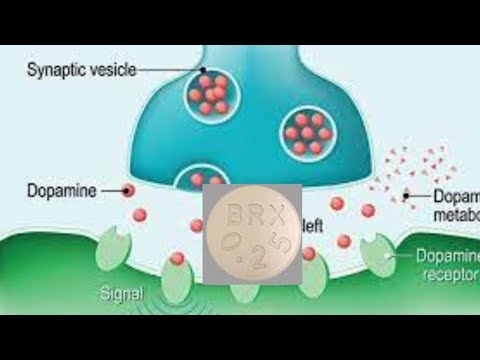
First off, dopamine is one of those neurotransmitters that plays a key role in your brain’s reward system. It’s like the cheerleader in your head that gets excited when you do something pleasurable or rewarding. Now, for folks with bipolar disorder, that dopamine system can get a little haywire. When someone hits a manic phase, they might have way too much dopamine floating around. But during depressive episodes? It might just not be doing enough.
Rexulti acts on dopamine receptors. It doesn’t just increase dopamine levels—it’s more like it fine-tunes them. Think of it as an orchestra conductor who brings the right musicians to the forefront at just the right time. This helps create a balance rather than just cranking up the volume on everything.
Now, let’s chat about what Rexulti does specifically for bipolar disorder symptoms:
- Reduces Mania: In those high-energy manic phases, Rexulti can help bring things back down to a normal level.
- Lessens Depression: During depressive phases, Rexulti aims to lift that cloud by adjusting how dopamine is working.
- Improves Overall Functioning: With better-balanced moods, you might find yourself feeling more stable and capable of handling everyday challenges.
But here’s where it gets interesting. Unlike some other medications which flood your brain with more dopamine, Rexulti kind of has this gentle touch—at least that’s how many users describe it. For example, I once heard from someone who had struggled with emotional highs and lows for years; after starting on Rexulti, they felt steadier without losing their creativity and passion for life.
It’s also worth noting that everyone reacts differently to medications. While one person may find their mood swings are more manageable on Rexulti, another might not experience the same benefits. The individual response can depend on many factors such as genetics or even lifestyle choices.
In terms of side effects, as with any medication, there could be some yucky stuff to deal with—weight gain or drowsiness being common complaints with antipsychotics like Rexulti. Again though, balancing those side effects against the benefits is a personal journey for everyone involved.
So to sum up: Rexulti works by modulating those tricky dopamine levels in your brain—helping both manic and depressive symptoms while trying to keep things balanced instead of chaotic. If you’re considering this med or already using it but have questions about how it’s affecting you? Definitely reach out to your healthcare provider to chat about experiences and feelings related to treatment.
Just remember: you’re not alone in this journey!
Exploring Rexulti for Bipolar 2: Benefits, Risks, and Insights
Bipolar II disorder can be a tough journey, you know? It’s not just about mood swings; it involves experiencing depressive episodes that can really take a toll on your day-to-day life. Enter Rexulti (brexpiprazole), a medication that’s been making waves in the mental health community. Let’s break down what it is, how it works, and the benefits and risks involved.
First off, Rexulti is an atypical antipsychotic. Sounds heavy, right? Well, basically, it helps balance certain chemicals in your brain—like serotonin and dopamine—that can be out of whack with bipolar II. This can help reduce those intense lows you might face during depressive episodes.
One of the notable benefits of using Rexulti is its ability to improve depressive symptoms without pushing you too far into mania. People on this medication often report feeling more stable overall. Imagine waking up in the morning without that overwhelming cloud hanging over your head. Pretty great, huh?
But let’s not sugarcoat things too much. Like all medications, Rexulti has its risks. Some people experience side effects like weight gain or drowsiness. Others might notice changes in appetite or sleep patterns. You’ve got to keep an eye out for these things because they can sneak up on you.
Also, there’s a chance of more serious side effects like movement disorders—so it’s essential to chat with your doctor about how you’re feeling while taking this med. Seriously, don’t just brush it off! Monitoring your reactions is key when starting something new.
Now let’s touch on insights. It’s crucial to remember that everyone’s body reacts differently to medications. Some folks swear by Rexulti and feel like it changed their lives for the better; others might not have the same experience at all. That’s why open communication with your healthcare provider is vital.
If you’re considering Rexulti as part of your treatment plan for bipolar II disorder, here are a few things you might want to discuss:
- Your overall health: Any other meds you’re on?
- Your personal history: Have you had any bad reactions to meds before?
- Your lifestyle: What does your daily routine look like? Is there stress?
- Your support system: Do you have people around who understand what you’re going through?
So yeah, while Rexulti could potentially help stabilize those emotional rollercoasters that come with bipolar II disorder, it’s super important to weigh the benefits against the risks carefully. And always involve someone who knows their stuff—your doctor or therapist—in the conversation about what’s right for you!
Bipolar disorder can feel like a wild rollercoaster ride, with those intense highs and devastating lows. It can be really tough to manage, you know? When you’re in the thick of it, everything feels chaotic and out-of-control. I remember this one friend who struggled with bipolar disorder; during her manic phases, she’d have all this energy and creativity but would burn herself out after days without sleep. Then came the lows—a deep pit that felt impossible to climb out of.
That’s where medications like Rexulti come into play. It’s a newer option in the realm of mood stabilizers and antipsychotics, specifically designed to help stabilize mood swings and reduce symptoms like irritability or anxiety that often accompany those extremes. Some folks find that it really helps them balance things out, making their highs less euphoric yet more manageable—and keeping the darkness at bay when they dip down.
But here’s the deal: meds aren’t a one-size-fits-all solution. What works wonders for one person might not do much for another. That said, many people report that Rexulti helps them feel more “normal,” so they can focus on therapy and rebuilding their lives instead of riding that emotional wave nonstop.
It’s all about finding what works for you. Sometimes it takes a bit of trial-and-error to figure out how different meds interact with your unique brain chemistry—what’s good for you might not even touch someone else’s symptoms. So if you’re considering Rexulti or something similar, it’s super important to keep an open line with your doctor and communicate how you’re feeling throughout the process.
Living with bipolar disorder is no small feat; I really get that now. But there are resources, treatments, and support systems available to help manage it day by day. You’re definitely not alone in this journey!