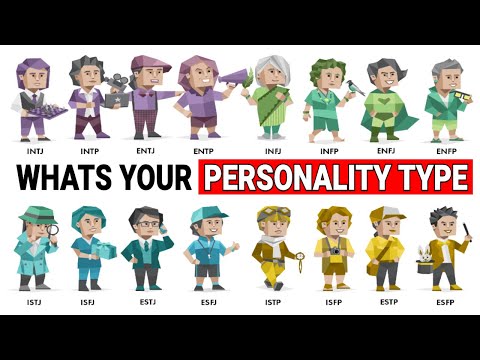
Hey! So, let’s chat a bit about personality types. You know, those quirky little labels we all seem to have? You might be familiar with some like «the peacemaker» or «the achiever.» Well, that’s where the Rheti Test comes in—ever heard of it?
The Rheti Test is like a fun little peek into who you are. It kinda helps you figure out your personality type. It’s all about understanding yourself better, which is pretty cool, right?
Imagine knowing what drives you and how you connect with others. It’s a game changer! Seriously, when you get the hang of your type, it can shed light on so many things in your life. Your relationships, your job choices—you name it!
So let’s dig into the Rheti Test and see how it can help us understand ourselves and each other a bit more. Sound good?
Understanding Personality Types: The Rheti Test Explained with Free PDF Guide
The **Rheti Test**, or the Enneagram of Personality, is a fascinating tool that digs into the different ways people interact with the world. Basically, it identifies nine personality types, each with its own unique traits, motivations, and coping strategies. It can help you better understand yourself and others, which is super useful in personal and professional relationships.
So, let’s break down what the Rheti Test really is. First off, it’s based on an ancient system that was modernized by psychologists. When you take the Rheti Test, you answer questions that highlight your thoughts and behaviors. The results categorize you into one of those nine types.
Now, here’s where it gets interesting. Each type has a specific flavor to it. For example:
- Type 1: The Perfectionist – They strive for integrity and balance.
- Type 2: The Helper – They are caring and generous.
- Type 3: The Achiever – They are success-oriented and driven.
- Type 4: The Individualist – They value uniqueness and identity.
- Type 5: The Investigator – They seek knowledge and understanding.
- Type 6: The Loyalist – They are security-oriented and responsible.
- Type 7: The Enthusiast – They are spontaneous and fun-loving.
- Type 8: The Challenger – They strive for control and power.
- Type 9: The Peacemaker – They value harmony and avoid conflict.
When I first took the test, I found out I was a Type 4—an Individualist. That kind of hit home. I’ve always loved expressing my emotions through art but felt misunderstood at times. Knowing this about myself helped me embrace my quirks instead of feeling weird about them.
The beauty of using something like the Rheti Test is how it can illuminate patterns in our behavior. For instance, maybe you’re always trying to please everyone but find yourself feeling drained—if you’re a Type 2, that’s pretty typical behavior! Understanding that can help you set boundaries without feeling guilty.
You may be wondering what happens next after getting your type result. Well, basically, you start seeing how this understanding impacts relationships with friends or coworkers too! Navigating conflicts might improve because you recognize different perspectives better.
If you’re curious to dive deeper into your type or learn about others’, there are resources out there like free PDFs available online that can guide your journey further into personality exploration.
In summary, the Rheti Test isn’t just some quirky quiz; it’s a lens through which we can better understand ourselves and our behaviors in everyday life. By recognizing our personality type—and those of others—we gain insights that might enhance our interactions significantly!
Exploring the Rheti Test: Uncovering Personality Types and Their Impact on Mental Health Online
The Rheti Test, known as the RHETI or the Riso-Hudson Enneagram Type Indicator, is all about uncovering your personality type. It’s a tool that lets you peep into what makes you tick and can give insights into your mental health. The Enneagram model divides personalities into nine basic types. Each type has its own quirks, motivations, and fears.
So, how does this connect to mental health? Well, understanding your personality type can be super helpful for recognizing patterns in your thoughts and behaviors. You know how some folks are just naturally more anxious while others seem laid-back? That’s where the Rheti Test comes in. It helps you dive deeper into those traits.
- Self-Awareness: Knowing your type can boost self-awareness. For instance, if you discover you’re a Type 6 (the Loyalist), you might realize why you often feel anxious about security and support in relationships.
- Coping Strategies: Different types respond to stress in different ways. If you’re a Type 4 (the Individualist), you might tend to withdraw during tough times. Recognizing that can help you develop better coping strategies.
- Relationship Insights: Understanding your own type is essential when interacting with others. If you’re a Type 2 (the Helper), knowing that your inclination to please could lead to burnout allows for healthier boundaries.
Think about it like this: once you have that insight from the Rheti Test, it’s easier to see where you need growth and change. You’re not just floating through life without knowing why things stress you out or why certain situations drain your energy.
Moreover, using the Rheti Test online can be really convenient these days; it’s accessible right at your fingertips! Just sit down with your laptop or phone and take some time to reflect on who you are based on the questions they ask. It doesn’t take forever either – it’s usually quick but still insightful.
However, keep in mind that while it’s a great starting point for self-reflection, it shouldn’t replace professional help when needed. Sometimes talking things out with a therapist who gets these personality frameworks is even more beneficial.
And don’t forget—personality isn’t fixed! You can evolve as life throws curveballs at ya or when new experiences shape how you think and feel. The Rheti Test provides a snapshot of where you’re at now rather than defining who you’ll always be.
In summary, if you’re curious about yourself or trying to understand friends better, giving the Rheti Test a shot could really clarify some things for ya!
Discover the Rheti Test: Unlocking Free Insights into Personality Types and Mental Health
The Rheti Test, or the Riso-Hudson Enneagram Type Indicator, is a cool tool for diving into personality types. It’s based on the Enneagram, which has been around for ages. Basically, it helps you figure out who you are and how you tick.
What Does the Rheti Test Do?
This test categorizes your personality into one of nine types. Each type has its own quirks, strengths, and weaknesses. By understanding your type, you can gather insights about your behaviors and emotional patterns. So if you’ve ever felt confused about why you react a certain way—this is where it can come in handy.
How Does It Work?
You answer a series of questions related to your feelings and thoughts. The test typically takes about 30 minutes or so. Your answers then lead to a score that helps determine your dominant Enneagram type. It’s like holding up a mirror to yourself but in a more structured way.
Why It’s Useful for Mental Health
Understanding your personality type can be super enlightening when it comes to mental health. For instance:
- If you’re an «Eager Beaver» type (that’s not an official name but let’s roll with it!), you might struggle with anxiety when things don’t go as planned.
- If you’re the «Peacekeeper,» you may avoid conflict but end up feeling resentment because you never express your true feelings.
Knowing these traits can help you navigate relationships better and understand why certain challenges pop up in life.
Anecdote Time
I once met someone who was always super accommodating and never wanted to rock the boat—the classic Peacekeeper vibe. But after taking the Rheti Test, they discovered they were actually hiding their feelings to keep the peace. This realization led them to therapy where they learned how to set healthy boundaries without feeling guilty! See? The test isn’t just about labels; it’s about growth.
The Bottom Line
The Rheti Test is more than just another personality quiz; it’s like having a compass for personal exploration. It gives free insights that help connect the dots between your personality traits and mental health patterns. Whether you’re struggling with everyday stress or big emotional hurdles, knowing your type could really shed light on why things feel tough sometimes.
So if you’re curious about yourself—or maybe even trying to make sense of those pesky emotions—why not give it a shot? You may just find a nugget of wisdom waiting for you on the other side!
You know, personality tests are like those fun little mirrors we hold up to ourselves. They can reflect back parts of our character, strengths, and even things we might not see. The Rheti Test, which stands for the RHETI (Riso-Hudson Enneagram Type Indicator), is one of those tools that helps you dig into your personality type based on the Enneagram system. It’s kinda like a treasure map for understanding why you act the way you do or why certain situations make you tick.
I’ve had friends who took the Rheti Test and were honestly surprised by their results. One buddy, let’s call him Matt, was always a go-getter—always chasing goals and pushing himself. When he found out he was a Type Three, the Achiever, it clicked for him. Suddenly, he understood why he thrived under pressure but struggled with feelings of inadequacy when success wasn’t in sight. That “light bulb moment” was pretty cool to see.
The whole concept behind the Enneagram is that there are nine different personality types, each with its own strengths and weaknesses. The Rheti Test helps you pinpoint where you fall among them. It’s not just about labeling yourself; it’s an invitation to explore deeper—like taking a peek under the hood of your emotional engine.
And here’s where it gets interesting—the test doesn’t just highlight what makes us unique but also our core motivations and fears. Knowing this stuff can be super handy in life and relationships. For instance, if you know someone is a Type Six—the Loyalist—you might understand their need for security and how they freak out when things seem uncertain.
But hey, it’s essential to remember that while these tests give valuable insight, they aren’t like gospel truth or something. They shouldn’t box anyone in but rather serve as a guide for self-awareness and growth. Just ask Matt; he’s embraced his strengths but also recognizes he can get caught up in what others think of him.
In the end, tools like the Rheti Test are ways for us to connect more deeply with ourselves and others—like building a bridge between our inner worlds and those around us. And honestly? That’s pretty powerful stuff when it leads to real conversations about who we are beneath all those layers of life experience.
So if you’re curious about your own patterns or how they play out in your relationships? Maybe give it a whirl! You never know what insights could pop up along the way.