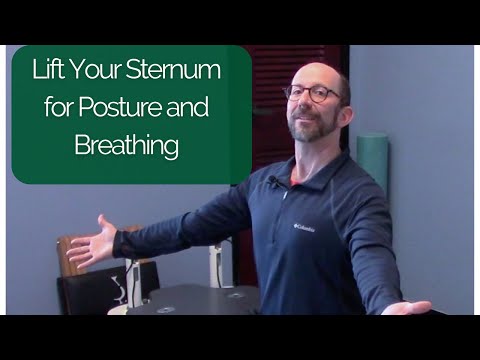
You know that feeling when your head’s just a jumbled mess? Like, thoughts are bouncing around and you can’t grab onto one? Yeah, we’ve all been there.
Well, ribcage breathing is like a little life hack for that. Seriously! It’s a simple way to calm your mind and clear out the clutter.
Think of it as giving your brain a refresh button. You take a moment, breathe deep, and suddenly things feel… different. More focused. More clear.
Pretty cool, right? So, let’s chat about how ribcage breathing can help you find that mental clarity you’ve been searching for.
Breathe Your Way to Mental Clarity: Effective Breathing Techniques for a Clear Mind
Breathing might seem like a simple thing, right? But seriously, it’s so much more than just a basic life function. It turns out that how you breathe can seriously affect your mental clarity. So, let’s chat about ribcage breathing and how it can help clear your mind.
Ribcage breathing focuses on using your ribcage for deeper, more effective breaths. It’s all about expanding your chest instead of just your belly. When you do this right, you can really boost oxygen intake and help calm your mind. Sounds pretty cool, huh?
First off, the science behind it is pretty neat. When you breathe deeply using your ribcage, you stimulate the vagus nerve. This nerve plays a major role in regulating stress and calming down anxiety. You know those moments when everything feels overwhelming? A few deep breaths can really help bring you back to center.
So how does ribcage breathing work? Well, here’s a simple breakdown:
- Find Your Space: Pick a comfortable spot to sit or stand.
- Posture Matters: Straighten up! Keep your back straight but relaxed.
- Hand Position: Place one hand on your chest and the other on your belly.
- Breathe In: Inhale deeply through your nose for about four seconds. Feel that ribcage expand.
- Breathe Out: Exhale slowly through your mouth for six seconds—try to empty out all that air!
Repeat this process for a few minutes or until you feel more relaxed. It’s like hitting the reset button in your brain.
I remember when I first tried this technique during a super stressful week at work. I had deadlines piling up and felt totally overwhelmed. I took five minutes in my office to focus on my breathing—just like I described above—and wow! By the end of it, my head felt clearer and I was ready to tackle tasks instead of feeling stuck in a funk.
Another great thing about ribcage breathing is that it’s super flexible; you can practice it anywhere! Whether you’re waiting in line at the grocery store or sitting in traffic, if things start getting hectic, just take a moment to breathe deeply.
Now, if you want to take things even further, consider pairing these techniques with mindfulness practices like meditation or yoga. Combining them can amplify their effects and make finding mental clarity even smoother.
The thing is—sometimes clarity feels just out of reach when life gets chaotic. Ribcage breathing might not be a magical solution for everything but giving yourself those few moments can really help clear away some of that mental clutter. Give it a shot next time you’re feeling frazzled—you might be surprised by how much better you feel afterward!
Unlock the Benefits of Diaphragmatic Breathing: Transform Your Mental Health and Well-Being
Breathing isn’t just automatic. It can seriously influence how you feel mentally and physically. You may not realize it, but the way you breathe—especially diaphragmatic breathing—can change your mental health for the better.
Diaphragmatic breathing, also known as belly breathing, involves using your diaphragm fully. This means taking deeper breaths that fill your lungs with air in a more efficient way. When you focus on this type of breathing, it helps calm your nervous system and reduces stress. Sounds simple enough, right? But there’s actually a lot going on when you do it.
Here are some benefits of diaphragmatic breathing:
Let me share a little story here: A friend of mine was struggling with anxiety before big presentations at work. She felt her heart racing and thoughts speeding up like crazy. One day, she decided to try diaphragmatic breathing right before her talk. She took a few slow breaths into her tummy instead of her chest, and wow—that changed everything! Suddenly, she felt centered and focused instead of panicked.
Now, let’s talk about how to actually do this diaphragmatic breathing thing:
1. Find a comfortable spot to sit or lie down.
2. Place one hand on your chest and another on your belly.
3. Inhale deeply through your nose—make sure that hand on your belly rises while the one on your chest stays still.
4. Exhale slowly through your mouth or nose—let that belly fall back in.
5. Repeat several times until you feel calmer or more focused.
The trick is practice, practice, practice! You don’t need any fancy equipment or a special place; just take time each day to breathe deeply for a few minutes.
It’s also worth mentioning ribcage breathing as an alternative method too! While diaphragmatic breathing focuses more on filling up your belly with air, ribcage breathing emphasizes expanding the chest area instead—keeping things interesting for different situations.
In sum, paying attention to how you breathe can really transform not only how you feel in the moment but potentially improve overall mental well-being over time! So next time life feels overwhelming or stressful, remember: take those deep breaths and give yourself a little boost!
Belly Breathing vs. Chest Breathing: Uncovering the Best Techniques for Stress Relief and Mental Clarity
We often overlook the simple way we breathe. It might seem like just a basic function, but the way you breathe can really affect how you feel, both physically and mentally. Let’s break it down: there are two main styles of breathing—belly breathing and chest breathing.
Belly Breathing, also known as diaphragmatic or abdominal breathing, is all about using your diaphragm. When you breathe this way, your belly expands as you inhale. It’s like filling a balloon! This technique helps get more air into your lungs, which can be super refreshing. You may even find yourself feeling calmer after just a few minutes of belly breathing.
Why? Well, this type of breathing signals your body to relax. It activates the parasympathetic nervous system, which lowers heart rate and reduces stress hormones. Picture this: after a long day, you lay back on a couch and take deep breaths that make your belly rise and fall. You might feel tension just melting away!
On the flip side, there’s Chest Breathing. This happens when you take quick, shallow breaths that expand your ribcage more than your abdomen. Often triggered by stress or anxiety, chest breathing might leave you feeling short of breath or even dizzy at times. When you’re anxious or in a hurry (think sprinting to catch a bus), this is usually how we breathe.
Then we have something called Ribcage Breathing. It’s like a middle ground between belly and chest breathing. When done correctly, it can improve lung capacity and allow for better oxygen flow without being too shallow or too deep all at once. Imagine taking a breath that feels expansive but not overwhelming—your ribs move outwards while allowing some diaphragm action too!
But why does this matter for mental clarity? Well, both belly and ribcage breathing can help quiet racing thoughts and improve focus by increasing oxygen flow to the brain. And who wouldn’t want clearer thinking during stressful situations?
- Belly breathing encourages relaxation.
- Chest breathing can increase feelings of anxiety.
- Ribcage breathing strikes a balance between the two.
So if you’re looking for ways to manage stress or enhance mental clarity, give these techniques a shot! Like when my friend had trouble sleeping because her mind wouldn’t slow down; she tried some belly breaths before bed and found herself drifting off much easier.
In short, understanding how you breathe—and knowing which technique suits different situations—can transform how you handle stress in everyday life! Next time you’re feeling overwhelmed or scattered, stop for a moment and check in with your breath; see what feels right for you!
You know how sometimes your mind just feels all jumbled up? Like when you’re trying to think straight and it’s like a thousand thoughts are running in circles? That’s where something called ribcage breathing can come in handy.
So, ribcage breathing is a way to fill your lungs full of air and really expand your chest. It’s different from the usual belly breathing we hear about—though that one’s great too. With this method, you take deep breaths by focusing on opening up your ribcage. It might sound a little offbeat, but give it a chance!
When I first tried it out, I was sitting at my kitchen table after a long day. My brain felt like mashed potatoes—heavy and all mixed up. I remembered reading about ribcage breathing somewhere, so I thought, why not? I took a deep breath, and as my ribs expanded, it was like my mind started to clear up, bit by bit. Suddenly, it felt like someone was gently lifting the fog away.
Now, what happens here is that when you breathe this way, you’re actually sending signals to your brain to chill out. You’re grounding yourself in the moment. While doing this simple act of focusing on each breath can feel mundane at first, it becomes a tiny oasis of calm amidst the chaos of our daily lives.
Plus—and here’s where it gets interesting—that deeper breath helps oxygen flow better throughout your body! More oxygen means more energy and clarity. Seriously! Next time you find yourself overwhelmed or stuck on a problem, try ribcage breathing for just a minute or two.
So yeah; if you’re looking for that mental clarity boost without needing to meditate for hours or dive into complicated practices, give this one a shot! You might just find that sometimes all you need is to breathe fully and deeply to step back into focus again.