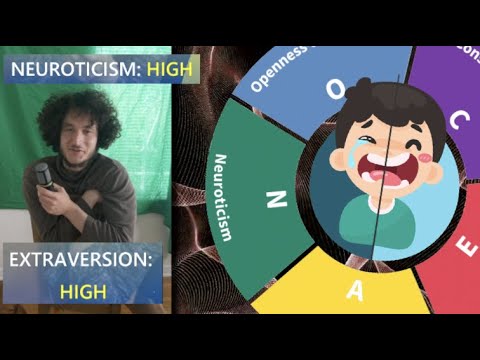
Okay, so let’s talk about Rick. You know Rick, right? The one who’s super outgoing one minute and deep in his thoughts the next?
Well, he’s got this MBTI type that totally shapes how he sees the world. Seriously, it’s wild how something like that can influence his mood and mental health.
Ever thought about how your personality affects your feelings? It’s kind of like having a secret decoder ring for your mind!
So, yeah, let’s dig into Rick’s MBTI type and see what makes him tick—because understanding him might just help you understand yourself better too!
Exploring Rick’s Personality Type: Insights into His Behavioral Traits and Psychology
So, let’s talk about Rick and his personality type, specifically looking through the lens of the MBTI (Myers-Briggs Type Indicator). This is a really cool way to get a glimpse into how someone thinks, feels, and interacts with the world around them. Rick’s type can shape his mental health and how he copes with life’s ups and downs.
Understanding Rick’s MBTI Type
Rick might fit into one of the 16 personality types outlined by the MBTI. Each type is made up of four dichotomies, like whether he’s more introverted or extroverted. Every type has its own unique characteristics that influence behavior.
For instance, if Rick’s an **INTP** (Introverted, Intuitive, Thinking, Perceiving), he probably thrives on abstract thinking and loves diving into complex problems. You know those friends who are always dissecting ideas? That could be him! But this can also mean he sometimes struggles with practical matters or gets lost in his thoughts.
On the flip side, if he’s an **ESFJ** (Extroverted, Sensing, Feeling, Judging), Rick might be super tuned in to other people’s emotions. He often goes out of his way to help others feel comfortable. However, this could lead him to prioritize others’ needs over his own well-being.
Behavioral Traits Shaping His Interactions
Every personality type carries specific traits that guide behavior:
- Communication Style: Think about how Rick expresses himself. Extroverts like him often think out loud—something that makes discussions lively but may overwhelm more introverted friends.
- Decision-Making: If he’s a thinker (like an ENTJ), decisions might come from logic rather than emotion. He might even come off as distant if he forgets to consider feelings in tough situations.
- Coping Mechanisms: Depending on whether he’s more intuitive or sensing can change how Rick handles stress. An intuitive person may daydream as a way to escape difficulties while someone sensing may focus on tangible solutions.
Impact on Mental Health
Rick’s personality type doesn’t just shape interactions; it also weaves into his mental health journey. For example:
- An **INFP** could experience intense emotions but might feel misunderstood because their inner world is so rich.
- If Rick is an **ESTP**, he might face anxiety when routine issues pop up since spontaneity defines him—it’s fun until it isn’t!
- A tendency for overthinking in types like **INTJ** can lead down a rabbit hole of anxiety or depression if not managed well.
It’s important for someone like Rick to recognize these patterns—emotional ups and downs linked to his traits can be overwhelming! Sometimes therapy helps people unpack these layers.
Embracing strengths while working on weaknesses can turn challenges into personal growth opportunities. And let me tell you—a supportive community goes a long way in easing mental health struggles!
In sum, exploring Rick’s personality type gives valuable insights not just into who he is but how he navigates life emotionally and socially. Understanding these dynamics provides tools for better interactions and self-awareness—and that’s seriously empowering!
Exploring the Connection: How Mental Health Influences MBTI Personality Types
The link between mental health and MBTI personality types is pretty interesting. So, if you’re familiar with the Myers-Briggs Type Indicator (MBTI), you know it breaks down personalities into 16 different types based on preferences in four categories: where you focus your attention (Introversion vs. Extraversion), how you take in information (Sensing vs. Intuition), how you make decisions (Thinking vs. Feeling), and how you deal with the outside world (Judging vs. Perceiving).
Now, mental health can totally intertwine with these personality traits. For example, someone who’s an INFP, who values deep feelings and personal connections, might struggle more with anxiety or depression because they tend to internalize their emotions a lot. You see that? It’s like they feel all the feels but don’t always have a way to express them healthily.
On the other hand, consider an ESTJ. These folks are typically organized and value structure. They might find mental health challenges manifest in stress or frustration when things don’t go according to their plans, which makes sense given their preference for order.
Let’s break it down a bit:
- Introverts, like INFPs or INTJs, might feel overwhelmed by social interactions or pressure from others, leading to stress or withdrawal.
- Extraverts, such as ESFJs or ENTPs, may face anxiety when isolated for too long because they thrive on social engagement.
- Sensing types often deal with practical concerns directly; if something disrupts their routine, it could heighten their anxiety.
- Intuitive types, who think more about possibilities than realities, might feel lost or anxious without clear goals.
- Feeling types, like INFPs and ESFJs, can struggle emotionally with conflict in relationships; they highly value harmony.
- Thinking types, such as INTJs or ESTPs, might rely heavily on logic but can sometimes neglect emotional aspects of situations leading to misunderstandings.
- Judging types, who prefer structure and predictability, may experience significant stress when faced with surprises.
- Perceiving types, like ENFPs and INTPs, value flexibility so they could face challenges dealing with strict schedules or expectations.
Rick’s MBTI type is something we could look at closely too! If he’s an INTP—always questioning and analyzing—he might find himself battling feelings of isolation when his thoughts get too intense. You know what I mean? It’s super easy for those deep thinkers to get lost in their minds.
In short, the connection between mental health and MBTI is a dance of sorts; your personality can influence how you experience your emotions and respond to stressors. Acknowledging this connection could help people understand themselves better or even guide them toward healthier coping strategies.
So whether you’re trying to understand yourself more deeply or just curious about someone else’s perspective, recognizing these links between MBTI types and mental health is key for growth!
Exploring the Psychology of Rick Sanchez: Insights from a Complex Character
Rick Sanchez from «Rick and Morty» is one of those characters that really makes you think. He’s wild, genius, and sometimes, well… pretty messed up. So, what exactly is going on in Rick’s mind? To really get into it, we can look at his MBTI type and how it influences his mental health.
First off, many fans love to type Rick as an **INTP**. This stands for Introverted, Intuitive, Thinking, and Perceiving. Basically, it means he’s a deep thinker who loves abstract ideas and solving problems. But here’s the thing: being an INTP doesn’t just come with a cool intellect. It can also bring a whole bunch of emotional struggles.
Rick often struggles with feelings of alienation. He’s usually the smartest guy in the room but feels isolated because of that. Can you imagine being brilliant but feeling alone? Like when he tries to connect with others but ends up pushing them away instead? That’s classic INTP behavior mixed with some serious existential dread.
Now let’s talk about **emotional detachment**. Rick frequently shows a lack of empathy, which can be rough for those around him. This kind of detachment can stem from high intelligence and emotional awareness but leaves him struggling to form meaningful relationships. You see this when he disregards Morty’s feelings—he’s wrapped up in his own wild adventures while Morty just wants some guidance or support.
Then there’s the **substance use** issue. Rick’s drinking is more than just a character quirk; it signifies his attempts to cope with his severe emotional pain and deeper insecurities—something many people deal with in their lives too! When he gets wasted, it’s like he’s trying to drown out all those questions about existence that haunt him.
Another big theme is **nihilism**. Rick often seems to believe nothing matters—like when he says life has no purpose during one of his darker moments. That mindset isn’t just casual philosophy; it shows how deeply trapped he feels within himself. It’s not uncommon for highly intelligent individuals to grapple with similar thoughts; they overthink everything until they spiral down into that black hole of despair.
Lastly, we can’t ignore how all these aspects lead to **self-destructive behavior**. Whether it’s reckless decisions or endangering those closest to him (like Morty), Rick’s actions often reflect profound inner turmoil rather than simple craziness—he’s battling his demons under all that sci-fi chaos.
To wrap this up: understanding Rick Sanchez through the lens of MBTI gives us some real insights into mental health challenges people face every day—from feeling alone despite being surrounded by others to using substances as a coping mechanism. So next time you watch «Rick and Morty,» take a moment to consider what might be lurking beneath the surface for our favorite mad scientist!
So, Rick is one of those friends who’s just, like, always upbeat and friendly. You know the type? He’s an ENFP—extroverted, intuitive, feeling, and perceiving. Honestly, it makes sense that he’s so relatable and easy to talk to. That whole combination of traits really shapes how he interacts with the world and also affects his mental health.
I remember this one time when Rick got really stressed about a big presentation at work. You could see he was struggling even though he wanted to keep his usual happy-go-lucky vibe going. For him, being extroverted means he often seeks out people for support when things get rough. But here’s the kicker: sometimes his desire to connect can create a bit of pressure. Like, if he’s not feeling okay but still feels like he should keep up that cheerful front? It can really weigh him down.
Being intuitive means he’s great at reading between the lines and sensing what others are feeling. This gift usually helps him navigate social situations smoothly, but it can also lead to overthinking—especially when he picks up on someone else’s bad mood or anxiety. He starts worrying about how they feel and ends up internalizing all that stress himself. I mean, it’s wild how one person’s feelings can ripple out and affect someone like Rick.
And then there’s that «feeling» part. He’s super empathetic; it’s almost like he wears his heart on his sleeve. While being compassionate is a wonderful quality, sometimes it makes it tough for him to set boundaries—especially when folks lean on him during tough times. He wants to be there for everyone but ends up draining his own energy in the process.
Rick’s perceiving side keeps things loose and flexible for him; he’s not one for rigid schedules or plans—which is endearing most of the time! But when life hits hard (like during periods of uncertainty), a lack of structure can leave him feeling overwhelmed instead of inspired.
So basically, Rick’s MBTI type shapes his mental health in this intricate dance between connection and self-care. You see how all these traits play together? It’s kind of beautiful but also complex in its own way! Sometimes I wonder if it’d help if he took time just for himself now and then—like stepping back from being everyone’s go-to guy—to recharge those batteries before diving back into life again.
Overall, understanding Rick’s personality through the lens of the MBTI gives me a clearer view into what makes him tick—and how we might help each other navigate our mental health journeys better!