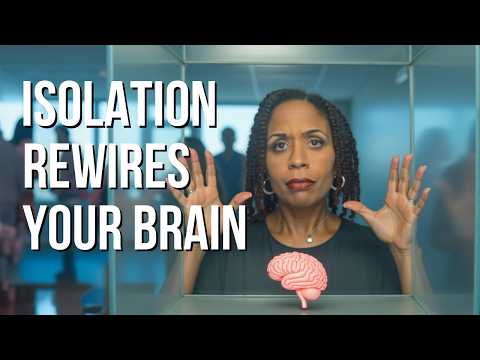
You know, it’s kind of wild how being alone can mess with your head. Like, seriously, loneliness isn’t just a feeling. It can actually put your mind and body at risk.
Ever felt like you’re in a room full of people but still totally on your own? Yeah, that uncomfortable vibe speaks volumes.
Social isolation seems to creep up on us when we least expect it. Life gets busy. Friends drift away. Or maybe you just moved to a new place—yikes!
And here’s the kicker: those feelings can have some serious consequences. We’re not talking just sad days; we mean real psychological stuff like anxiety and depression.
But don’t worry! We’ll dig into why this happens and what it really means for you and me. So grab a comfy drink, and let’s chat about it!
Understanding the Negative Effects of Social Isolation on Mental Health
Social isolation can really mess with our heads. It’s not just about being alone; it’s about how that loneliness affects us mentally and emotionally. Imagine you’re sitting at home in a quiet room, staring at the walls, with no one to talk to. Over time, that silence can become, like, deafening and heavy.
One of the big issues here is anxiety. When you’re isolated, your mind tends to overthink things. You might start worrying about everything from your health to your relationships. It’s like being stuck in a loop of negative thoughts. Seriously, every little thing feels magnified. You might even find yourself avoiding social situations out of fear or anxiety about how they will go.
Then there’s depression. Feeling cut off from everyone can lead to sadness that lingers longer than just a bad day or two. You know those moments when everything feels pointless? That’s what prolonged social isolation can do—suck the joy out of life. You might lose interest in hobbies you once loved or feel exhausted by simple tasks.
Another sneaky effect of being socially isolated is on our cognitive functions. I mean, think about it: we humans are social creatures by nature. When we don’t engage with others, we’re missing out on mental stimulation that helps keep our brains sharp. Over time, this lack of interaction can lead to memory problems and a decline in overall cognitive abilities.
Isolation can also worsen physical health. Yep, it sounds weird but the mind-body connection is super strong! When you’re feeling down or anxious due to loneliness, it can manifest physically—like headaches, fatigue, or even heart issues in some cases! There was this study that showed people who reported feeling lonely had a higher risk of developing chronic diseases.
If you’re ever feeling overwhelmed by feelings of loneliness or isolation—like I said before—it’s important to reach out for help. Connecting with someone—even if it’s just through a quick text or call—can make all the difference in the world.
So basically? Social isolation isn’t just a minor annoyance; it can have serious consequences for our mental health and well-being. The best thing we can do for ourselves (and each other) is stay connected—even when it’s tough!
Understanding the Psychological Risks of Loneliness and Social Isolation on Brain Health
Loneliness and social isolation can feel like heavy weights on our minds. You know, it’s not just about being physically alone; it’s about how that affects your brain and mental health. When you’re isolated, your brain isn’t getting the kind of stimulation it thrives on. Imagine being stuck in a room with no light or sound—that’s what social isolation can feel like mentally.
First off, let’s talk about how loneliness impacts your brain. Studies show that prolonged loneliness can actually change how your brain functions. It triggers responses similar to stress, which increases cortisol levels. High cortisol is like inviting anxiety and depression to hang out for a while—they don’t leave easily! With time, this stress response can wear down areas in the brain responsible for memory and learning.
But wait, there’s more! Loneliness also affects your cognitive abilities. People who feel socially isolated often report issues with concentration or memory problems. It’s like trying to do math with a headache—everything feels foggy and tough to manage. You might find yourself forgetting things more often or having trouble focusing on tasks that used to be easy.
Another thing? Your emotional well-being takes a hit too. Being lonely can lead to feelings of worthlessness or hopelessness. Picture someone sitting alone at lunch while everyone else is laughing together. That feeling of being left out can eat away at self-esteem. And when self-esteem plummets, it creates a vicious cycle: low mood leads to withdrawal from social situations, which then leads back to loneliness.
Physical health also gets tangled up in all this. There’s evidence suggesting that chronic loneliness can lead to serious health issues—like heart disease and weakened immune function. Yeah, your body feels it when your mind is struggling! It’s almost like loneliness acts as a silent predator lurking around without you noticing its effects until they pile up.
You might wonder what the solution is here. Connecting with others is key. Even small interactions count—think brief chats with neighbors or smiling at strangers in passing. Reaching out, whether it’s through phone calls or participating in community events, helps establish those vital connections again.
So basically, if you’re feeling lonely or isolated—even if it’s just sometimes—it pays off big-time to seek connection where you can find it. Remember, being human means we’re meant for connection; we thrive on relationships!
Understanding the Impact of Social Isolation on Mental Health: Comprehensive PDF Guide
It’s easy to overlook how much social interaction can mean for our mental health. When you start thinking about social isolation, it’s not just about being alone physically; it’s also about feeling disconnected from others. Seriously, that disconnect can mess with your head in ways you might not even realize.
Loneliness isn’t just an emotional experience; it’s like a weight that starts to pull you down. Imagine sitting in a crowded room but still feeling all alone. That’s loneliness, and the more frequent those feelings are, the greater potential for mental health issues down the line.
When you think of social isolation, picture someone who stops engaging with friends or family over time. Maybe it starts with just being busy or tired, but before long, those little moments of interaction fade away completely. It can lead to feelings of sadness or even depression as your support system crumbles without you realizing it.
The thing is, social isolation can also impact your physical health and not just mentally. You know how they say stress can kill? Well, that’s especially true for people who are isolated. They may experience problems like increased blood pressure or weaker immune systems because they lack that support from loved ones.
Here are some points to consider about the link between social isolation and mental health:
- Increased Anxiety: Feeling like you’re cut off can elevate anxiety levels. You start worrying more, thinking nobody cares or even notices you’re gone.
- Depression Risk: The longer someone stays isolated, the higher their chances of falling into a depression spiral.
- Cognitive Decline: Older adults are at risk here too! Lack of interaction might speed up cognitive decline in them because their minds aren’t being stimulated.
- Poor Coping Mechanisms: Isolated folks often turn to unhealthy habits—like binge-watching shows instead of going out—just to fill time.
- Self-Esteem Issues: Feeling alone can make you question your self-worth. You may start believing that there’s something wrong with you since no one seems to want to connect.
And let’s not forget about kids and teens. They need those connections too! If they’re isolated during formative years, it could hinder their emotional growth and social skills development.
Think about someone who suddenly loses touch with friends after moving to a new city. At first, they might feel excited about exploring new surroundings, but loneliness kicks in quickly when they realize there aren’t any support systems around them yet.
What’s important is recognizing this impact early on so we can do something about it! Virtual meet-ups have become a norm lately—like how folks go on Zoom calls or join online gaming sessions—that helps bridge the gap until physical meet-ups become possible again.
You see? Social connections really do matter! If you notice yourself feeling lonely or disconnected more often than not, reach out: text a friend or join a community group online. It doesn’t have to be formal; just engaging with another human being can boost your spirits significantly!
You know, loneliness is one of those things that can creep up on you. It’s like, one day you’re chilling at home after a long week and the next, you realize it’s been ages since you hung out with anyone. I remember a time when I was feeling really low. All my friends seemed to be busy with their lives, so I started isolating myself more and more. At first, it felt okay—a weird kind of comfort. But then, man, it hit me harder than I expected.
So here’s the thing: loneliness isn’t just a sad feeling; it can really mess with your mind. It’s kind of sneaky because while it’s happening, you might not even realize how deep it’s affecting you until you’re in too deep. Studies show that isolation can lead to anxiety, depression, and even physical health issues. It’s wild how our mental state can impact our bodies.
When you’re lonely, your stress levels go up. You start feeling disconnected from the world around you—like you’re watching life from behind glass. That sense of not belonging? It hurts more than you’d think. Maybe you’ve experienced days where just getting out of bed feels daunting because the thought of socializing feels overwhelming? Or how about when you scroll through social media and everyone seems to be having a blast while you’re at home just… existing?
That constant comparison can spiral into negative self-talk: “Why don’t they invite me?” or “Am I not fun enough?” The emotions pile up and create this cycle that’s hard to break free from. Your brain starts telling you that reaching out isn’t worth it—that nobody cares anyway.
And let’s be real—humans are social creatures! We thrive on connection like plants need sunlight (maybe I’m getting poetic here). But seriously, being around others helps us recharge and find joy in life again. So when isolation sets in, it’s like turning the lights down low in a room full of people; everything feels muted and less vibrant.
Getting past those feelings might mean pushing yourself to reach out or join groups that interest you—even if it feels scary at first! Trust me; breaking down those walls takes courage but is totally worth it for your mental health.
So yeah, loneliness can have some pretty heavy repercussions if we’re not careful about addressing it—everything from emotional well-being to physical health takes a hit when we isolate ourselves too much. So keep an eye on your feelings and check in with friends now and then; we all need someone sometimes!