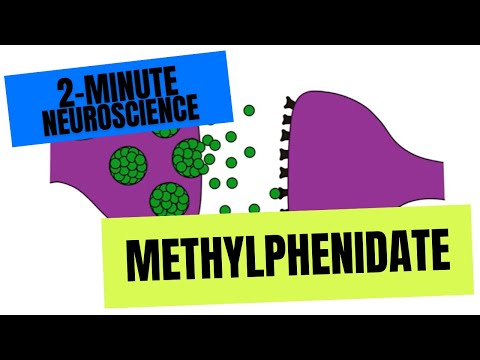
Hey! So, let’s chat about Ritalin. You know, that little pill that seems to pop up in conversations about ADHD and more?
It’s kinda a big deal in the mental health world. You might’ve heard some people rave about it, while others are totally against it. It’s like one of those topics that can spark a heated debate at any gathering.
But really, what’s the scoop on Ritalin? Does it work? Who should take it? And, like, why is it so controversial?
I’ve got some thoughts I want to share—so hang tight as we dig into this!
Exploring the Impact of Ritalin on Mental Health: Benefits and Considerations
Ritalin, or methylphenidate, is a medication often used to treat ADHD (Attention Deficit Hyperactivity Disorder). It’s pretty interesting how something so small can make such a big difference in people’s lives. So, let’s break down its impact on mental health—both good and bad.
First off, **the benefits** of Ritalin are pretty notable. This medication helps increase attention span and control impulsivity. Imagine struggling to focus on schoolwork or even something as simple as a conversation. Ritalin can change all that for someone with ADHD. It helps the brain regulate certain chemicals that play a role in concentration and alertness.
But then, there are considerations too. Some folks might experience side effects like headaches or sleep issues. You ever hear someone say they felt like their heart was racing? Yeah, that can happen with Ritalin too. It’s crucial to talk about these things with a doctor because everyone reacts differently to meds.
Another important point is dosage. Finding the right amount is key to getting the benefits without those pesky side effects. Higher doses might seem tempting, but that’s where things can get tricky—like the time my friend took too much for his ADHD before an exam and ended up feeling super anxious instead of focused.
Also, long-term use is still under scrutiny by researchers. While many people do well on it for years, others might develop tolerance or even misuse it for its stimulant effects—think studying all night long! It’s vital that if you’re on Ritalin, you’re being monitored by someone who gets what’s going on.
Finally, don’t forget about therapy! While meds like Ritalin can help manage symptoms, pairing it with therapy often leads to better outcomes overall. Cognitive-behavioral therapy (CBT), for example, teaches coping strategies that can be really beneficial beyond just popping a pill.
In short:
- Benefits: Improved focus and reduced impulsiveness.
- Side Effects: Possible headaches and anxiety.
- Dosage Matters: Finding the right dose is essential.
- Long-term Use: Requires careful monitoring due to potential tolerance.
- Therapy Helps: Combining meds with therapy works best.
So yeah, Ritalin definitely has its place in mental health treatment but remember it’s not one-size-fits-all!
Exploring the Potential of Ritalin in Treating Depression: What You Need to Know
Ritalin, or methylphenidate, is mostly known for treating ADHD, but did you know some folks are looking into it for depression? Sounds a bit surprising, right? Well, let’s break it down.
What is Ritalin? Ritalin is a central nervous system stimulant. It works by increasing levels of certain chemicals in your brain that help with focus and attention. But recently, researchers have been checking out its potential effects on mood and energy levels in people dealing with depression.
So, here’s the thing: traditional antidepressants often take weeks to kick in. Ritalin, on the other hand, can have a more immediate impact. Imagine feeling an uplift in mood and energy in just hours instead of weeks – that’s pretty appealing! But it’s not all sunshine and rainbows; there are some important things to consider.
Possible Benefits of Ritalin for Depression:
- Quick Relief: Some studies suggest that Ritalin can help boost mood quickly.
- Improved Energy: It might give you that extra spark when you’re feeling low.
- Able to Focus: Many people with depression struggle with concentration; Ritalin may help clear that fog away.
Now imagine this: a friend of yours has been struggling with depression for years. They’ve tried all kinds of medications and therapies with limited success. One day, their doctor suggests they try Ritalin alongside their antidepressant. They start taking it and within days they feel more energized and focused than they have in ages. It’s like someone turned the lights back on!
But hold on – not everyone will experience these benefits. Just like any medication, there can be side effects. Some people might experience anxiety or insomnia when taking Ritalin. It’s also possible to develop a dependence if it’s used improperly.
Risks and Considerations:
- Potential Side Effects: Things like increased heart rate or anxiety could happen.
- Addiction Risk: Since it’s a stimulant, there’s a chance of misusing it.
- Not Suitable for Everyone: It may not be the best choice if you’ve got certain health issues.
Always chat with a healthcare professional before jumping into anything new! They’ll consider your unique situation which is super important since mental health isn’t one-size-fits-all.
In essence, looking at Ritalin as an option for depression shows promise but comes bundled with caution flags too. So keep those lines of communication open with your doc to figure out what works best for you!
Understanding the Emotional Side Effects of Ritalin: What You Need to Know
Ritalin, or methylphenidate, is a medication often prescribed to help manage ADHD. It’s designed to improve focus and reduce impulsivity. But, while it can be super helpful for many, it can also bring some emotional side effects that you should be aware of.
When taking Ritalin, your body is dealing with changes in brain chemicals, mainly dopamine and norepinephrine. These changes can lead to various emotional responses. For some, it might feel like a blessing. Others might find themselves experiencing a rollercoaster of emotions.
One common emotional side effect is increased anxiety. Imagine feeling suddenly on edge over things that usually don’t bother you? That’s what some people experience on Ritalin. It’s like your mind goes into overdrive—great for focusing but not so awesome when anxiety kicks in.
Depression is another potential side effect. People have reported feeling low or flat when taking Ritalin. One friend once told me how he felt “meh” about everything after starting the med. He was productive but missed the joy he used to feel about hobbies and socializing.
Then there are mood swings. Some folks notice they go from being super upbeat one minute to feeling down the next. It’s like flipping a switch! This can be confusing and frustrating—especially if you’re trying to figure out what’s going on emotionally.
Another thing? You might become more irritable while on Ritalin. Picture this: You’re normally patient with your kids or co-workers, but suddenly little things start grating on your nerves more than usual. That kind of irritability can put a strain on relationships.
And let’s not forget about emotional blunting. This one’s interesting—some people describe feeling less emotional overall, both good and bad feelings seem dulled down. It’s as if you’re watching life through a foggy window; you’re there but not really feeling the full experience.
It’s important to remember that not everyone will experience these emotional side effects, and they can vary in intensity from person to person. Paying attention to how you feel while taking Ritalin is key—if something feels off, bringing it up with your doctor is crucial!
So basically, while Ritalin can be an effective part of ADHD treatment, being aware of these potential emotional ups and downs helps you prepare for what may come along the way. Communication with healthcare providers about any effects you’re experiencing goes a long way in managing those feelings effectively!
You know, Ritalin is one of those names that pops up when you start talking about ADHD and mental health. It’s a medication that many people associate with hyperactivity and focus issues, but there’s honestly so much more to it. I remember chatting with a friend who went through the rollercoaster of ADHD as a kid. He was always bouncing off the walls, struggling in school, feeling like he didn’t quite fit in. When he finally started on Ritalin, it was like flipping a switch. Suddenly, he could focus on his homework without distraction or frustration.
Ritalin, or methylphenidate if you wanna get technical, works by boosting the levels of certain chemicals in the brain—like dopamine and norepinephrine—which help improve attention and decrease impulsiveness. But it’s not just about popping a pill and calling it a day. It’s part of a bigger picture for many folks; therapy, support groups, lifestyle changes—all play a role too.
Some people think Ritalin is just about calming down hyper kids or turning them into little robots who can sit still for hours. But for many—like my friend—it gave them a chance to really be themselves without all that noise in their heads getting in the way. He told me how different things felt after starting treatment. It wasn’t just school that improved; his whole self-esteem got a boost too.
Of course, like any medication, Ritalin isn’t perfect for everyone. Some folks might experience side effects or find that it doesn’t work quite right for them. There’s also this stigma around medications like Ritalin; people sometimes think they’re overprescribed or just used as an easy fix instead of addressing underlying issues.
The thing is—if you’re navigating ADHD or similar challenges—having something like Ritalin available can be life-changing when used correctly and responsibly within a comprehensive treatment plan. Just reminds me how important it is to approach mental health holistically and give everyone the support they need to thrive.