So, you’ve probably heard of Ritalin, right? It’s that little pill that’s often tossed around in conversations about ADHD. But what’s the real deal with it?
I mean, let’s be honest: mental health stuff can feel super confusing sometimes. You might be wondering how a medication like Ritalin fits into the big picture of keeping our minds in check.
I remember a buddy of mine, totally struggling in school. It wasn’t until he started Ritalin that he actually felt like he could focus for once! It was wild to see the difference.
So, let’s break it down together and chat about what Ritalin 10mg really does and why it matters in managing mental health. Sound good?
Exploring the Impact of Ritalin on Mental Health: Benefits and Considerations
Ritalin, or methylphenidate, is one of those medications you hear about a lot when discussing ADHD. It’s often prescribed to help manage symptoms like inattention, hyperactivity, and impulsivity. So, what’s the deal with its impact on mental health? Let’s break it down.
Benefits of Ritalin
Firstly, Ritalin can increase focus and attention. For many people with ADHD, it’s like flipping a switch that turns on their ability to concentrate. You know that feeling when you finally sit down to study or work on something important—and you can actually do it without distractions? That’s what Ritalin aims to help with.
Another advantage is improved social interactions. Many folks notice they can engage better with others after starting Ritalin. They’re less likely to interrupt conversations or lose track of what someone is saying. This can make friendships and family relationships much smoother.
Lastly, it might help regulate mood. Some users find that being able to focus more leads to less frustration and anxiety. It’s like finding clarity in mental fog—it just makes everything seem a little less overwhelming.
Considerations When Using Ritalin
Now, while there are benefits, there are also things you need to think about. Side effects Some people experience anxiety or irritability when they take Ritalin. Imagine cruising through your day feeling great and then BOOM! A wave of stress hits because your body is adjusting to the medication.
Another consideration is dependency risk. Ritalin has stimulant properties similar to some recreational drugs. So if misused or not taken as prescribed, it can lead to issues down the line—including dependence.
And don’t forget about individual differences. What works wonders for one person might not for another. Some folks can’t tolerate the side effects at all and may feel worse overall. It’s essential for anyone considering Ritalin—or any medication—to have thorough discussions with their healthcare provider about their specific needs and circumstances.
Treatment Plan Considerations
When using Ritalin as part of mental health management, integrating other therapeutic approaches can be helpful too. You know therapy—like cognitive-behavioral therapy (CBT)—can offer coping strategies along with meds! It’s like having a support system that wraps around the medication’s effects rather than relying solely on pills.
So basically, while Ritalin has significant benefits for managing ADHD symptoms and improving quality of life for many people, it’s not a magic fix-all solution. It’s vital to weigh both sides: the perks of better focus and social engagement against potential side effects and dependency risks.
In summary, navigating life with ADHD can be tough without support—medication like Ritalin might play a key part in creating stability—but remember that it should ideally be paired with other healthy coping strategies!
In short? Talk openly with your doctor about your experiences—it’s all about finding what’s best for you!
Exploring the Impact of Ritalin on Depression: Can This Medication Provide Relief?
It’s pretty common to hear about Ritalin, especially when it comes to treating ADHD. But let’s talk about how that ties into depression. Can this medication actually help? Well, buckle up because there’s a lot to unpack.
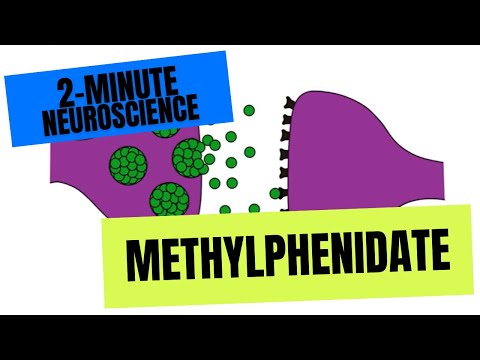
First off, Ritalin is the brand name for **methylphenidate**. It’s a stimulant that affects chemicals in the brain, like dopamine and norepinephrine. These neurotransmitters are pretty significant in mood regulation and can influence how you feel overall.
Now, some folks might wonder if popping a Ritalin pill can ease their depression symptoms too. That’s not entirely off base, but it gets complicated. You see, while it was primarily designed for ADHD, there are instances where people with depression also experience an improvement in their mood when taking it. But here’s the catch: it’s not a go-to treatment for depression.
Instead, doctors might prescribe it as an **add-on** treatment in certain situations when traditional antidepressants aren’t cutting it or if someone is really struggling with fatigue or concentration issues associated with their depressive symptoms.
Ever met someone who just felt like they were dragging through life? I once knew a guy named Jake who got diagnosed with major depressive disorder after losing his job. He felt like he was stuck in quicksand—unable to move forward or do anything productive. After trying several therapies and SSRIs without much relief, his doctor suggested giving Ritalin a shot alongside his regular meds. Jake described waking up one morning feeling more energized and focused than he had in months! It was like someone turned the lights back on in his brain.
But here’s the flip side: not everyone reacts positively to Ritalin, especially if they have anxiety or other mental health issues alongside their depression. This medication can sometimes ramp up those feelings of anxiety or restlessness instead of providing relief—definitely something to keep in mind!
Another important aspect is duration. Many people don’t experience long-lasting effects from stimulants because they work quickly but may wear off just as fast. You might feel great for a few hours and then crash back into that heavy fog again.
So really? If you’re considering Ritalin as part of your mental health journey with depression, it’s super crucial to have open conversations with your healthcare provider about what you’re experiencing and how you want to proceed.
Just remember that every case is different! What works wonders for one person might not work at all for another—that’s the nature of mental health management! The takeaway? While Ritalin can provide some temporary relief for certain depressive symptoms in specific cases, it’s definitely important to approach this route cautiously under professional guidance and think about other therapeutic options too.
Healthy discussion around options is key! Keeping an eye on how medications make you feel—good or bad—is essential; so don’t hesitate to reach out if things aren’t going smoothly!
Long-Term Effects of Ritalin on Brain Health: What You Need to Know
So, let’s chat about Ritalin, or methylphenidate if you want to be all technical. It’s a medication often used to help people manage ADHD. You might know someone who’s taken it, or even been prescribed it yourself. But what about the long-term effects of Ritalin on brain health? That’s a big topic, and there’s a lot to unpack.
First off, it’s important to recognize that Ritalin works primarily as a stimulant. It increases levels of certain neurotransmitters in your brain, mainly dopamine and norepinephrine. These are super important for focus and attention. In the short term, many people feel like they can concentrate better and get things done more efficiently.
But when we look at the long-term effects, things get a bit trickier. Studies have shown mixed results regarding how these medications impact brain development and function over time.
Here are some key points to consider:
- Brain Development: For kids and teens whose brains are still growing, using Ritalin may affect how certain parts of their brains develop. Some research suggests that prolonged use can alter brain structure.
- Cognitive Effects: Long-term use may contribute to changes in cognitive functions like memory and learning. Some users report challenges with these after being on the medication for years.
- Dependence: Though Ritalin isn’t generally known for causing addiction like other stimulants (think cocaine), long-term use can lead to psychological dependence. You might feel like you can’t function without it.
- Withdrawal Symptoms: If someone decides to stop taking Ritalin after long-term use, they might face withdrawal symptoms like fatigue or increased impulsivity.
- Mood Changes: There have been reports of mood swings or anxiety in some individuals who take Ritalin long-term. This is something worth noting if you’re feeling different than you used to.
Now let’s look at an example here: imagine you’ve been taking Ritalin since childhood for ADHD management. As you grow older, maybe in your late teens or early twenties, you start noticing that while it’s easier to concentrate during classes or work meetings, you’re also feeling more anxious than before you started taking it. Maybe it’s harder for you to remember things or keep up with new information—this has happened for some folks who’ve used it long-term.
You should also know that everyone’s experience is different! While some people might notice these effects more strongly than others, others could feel perfectly fine while on the medication.
And here’s an important thing: if you’re considering stopping or adjusting your dosage, always talk it over with your doctor first! They can help guide you through the process safely.
In summary, while Ritalin can be really helpful in managing ADHD symptoms effectively in the short term, its long-term impact on brain health is still being studied and understood fully. So if you’re using it—or considering its use—make sure you’ve got the full picture before moving forward!
Ritalin, or methylphenidate if you wanna get all technical about it, is one of those medications that sometimes feels like a bit of a double-edged sword. You know? For people dealing with ADHD, it can be like flipping a switch. Suddenly, focus and organization aren’t just distant dreams—they’re right there in front of you.
I remember a friend of mine, Alex. He struggled for years to keep his head above water in school because he just couldn’t concentrate. It was super frustrating for him, and honestly kinda heartbreaking to watch. Then, when he started taking Ritalin, it was like the fog lifted. Homework felt less like climbing Mount Everest and more like just taking a stroll around the block.
But here’s the thing: Ritalin isn’t magic. Some folks might respond to it beautifully while others find side effects that make them feel jittery or anxious—definitely not ideal when you’re trying to manage your mental health! And dosage can be tricky too; what works for one person might not work for another at all.
In terms of mental health management, it’s often part of a bigger picture—therapy, lifestyle changes, support from family and friends—all that jazz plays a huge roll too. Meds can help set the foundation for progress, but they usually don’t do all the heavy lifting alone.
You also gotta stay on top of how you’re feeling while on it. Regular check-ins with your doctor can help adjust things as needed because life changes—and so do we! It’s kind of fascinating how something as simple as adjusting medication could lead to big shifts in how someone interacts with their world.
So yeah, Ritalin definitely plays a role in managing ADHD and improving quality of life for many folks out there. But remember—it’s just one piece of an ever-evolving puzzle that includes emotions, experiences, and personal growth.