Hey! So, let’s chat about Ritalin. You’ve probably heard of it, right? It’s one of those meds that gets tossed around when we talk about ADHD and focus issues.
But there’s more to it than just helping kids sit still in class. Seriously, this little pill can play a big role in mental health treatment for some folks.
You might be curious about what it does or how it feels to take it. And I get that! There’s a lot of chatter out there, so let’s break it down together and see what’s up with Ritalin 5mg and why it matters.
Exploring the Impact of Ritalin on Mental Health: Benefits and Considerations
So, let’s talk about Ritalin. You might’ve heard of it as that little pill that helps with attention issues, mostly with ADHD. But, it’s not just about focus; it has some pretty interesting effects on mental health overall.
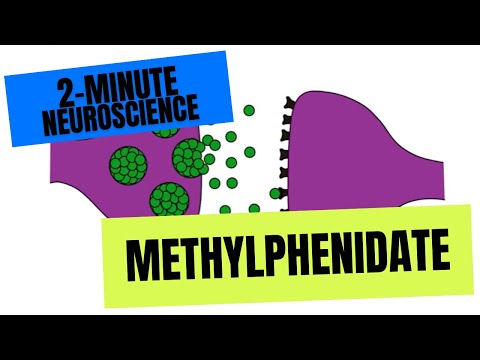
To start off, Ritalin is the brand name for **methylphenidate**, a stimulant medication. It works by increasing certain chemicals in your brain, like dopamine and norepinephrine. These are super important for things like attention, motivation, and mood regulation. When you take it, you might feel more alert and focused, which can be a game-changer for many people.
Now, let’s get into the benefits first:
- Improved Focus: Seriously, many people report that Ritalin helps them concentrate better on tasks.
- Higher Motivation: If you struggle to get started on projects or even daily chores, Ritalin might give you that push.
- Better Mood: Some folks experience improvement in their mood as they become more productive; it can lift that foggy feeling.
But don’t forget—there are considerations to keep in mind too:
- Side Effects: Common ones include insomnia, decreased appetite, and anxiety. Isn’t that just the way? You try to fix one problem but end up with another!
- Addiction Risk: Since it’s a stimulant and affects your brain’s reward system, there’s a potential for misuse or dependency.
- Not for Everyone: Some people simply don’t respond well to Ritalin or have conditions that make it less suitable.
I remember chatting with a friend who was prescribed Ritalin when he was in college. He felt like he could finally break through the cloud of distraction and really dive into his studies. Yet sometimes he’d crash after the meds wore off—feeling jittery or anxious. It wasn’t all unicorns and rainbows.
When considering whether to use Ritalin or any medication for mental health treatment, it’s crucial to talk openly with your doctor about your feelings and experiences. They can help you weigh those **benefits** against possible **drawbacks**.
Also worth mentioning: some people find therapy super helpful alongside medication. Mixing things up could give you a fuller picture of what works best for your mental health.
So yeah! Ritalin can offer significant benefits but also raises important questions about mental health care and personal experiences—and being informed is always key!
Understanding Ritalin Side Effects: What You Need to Know for Better Mental Health
Ritalin, or methylphenidate, is a medication often used to help treat ADHD. Like any medication, it can come with its own set of side effects. Understanding these can help you make informed decisions about your mental health treatment.
Common Side Effects
So, what might happen when you take Ritalin? Here are some common side effects you might experience:
- Insomnia: Many people find it hard to sleep after taking Ritalin. The boost in energy can stick around when you’re trying to wind down.
- Appetite suppression: Some folks notice they’re not as hungry or may even lose weight because of this.
- Nervousness: Anxiety or jitters can occur. It’s that feeling like you had too much coffee.
- Dizziness: You might feel lightheaded at times; it’s something to keep an eye on.
- Increased heart rate: Your heart might race a bit more than usual.
It’s essential to keep track of how you’re feeling because these side effects can vary widely from person to person.
Less Common Side Effects
Sometimes, though, things get a little more serious. Some folks may experience:
- Mood swings: If you’ve ever felt like you’re on an emotional rollercoaster, this could be related.
- Tics: Some people develop sudden movements or sounds they can’t control. If that happens, talk to your doc right away.
If you’ve been on Ritalin and start noticing any unusual changes in your mood or behavior, don’t hesitate to reach out for support.
Your Reaction Matters
Now here’s the thing: everyone reacts differently. When Jamie started taking Ritalin for her ADHD, she felt like a whole new person—focused and ready to tackle her tasks. But after a few weeks, she noticed she was more anxious and had trouble sleeping. Communication with her healthcare provider was key. They adjusted her dosage and discussed timing the medication better throughout her day.
The Bigger Picture
Taking Ritalin shouldn’t just be about the medication alone; consider it part of a comprehensive approach to managing mental health. Therapy can add great value alongside medication as it helps build coping skills and strategies.
In short, while Ritalin can be super helpful for many people dealing with ADHD, understanding its potential side effects is crucial in navigating your mental health journey effectively. Talking regularly with your healthcare provider will help ensure you find the right balance that works for you!
Ritalin vs Adderall: Understanding the Differences, Uses, and Effects for ADHD Treatment
Adderall and Ritalin are two common medications that people often hear about when it comes to treating ADHD (Attention Deficit Hyperactivity Disorder). You might be thinking, “Are they the same? What’s the deal?” Well, there are some key differences that can really matter for someone dealing with ADHD.
What They Are
So, let’s break this down. Adderall is a mix of amphetamine salts, while Ritalin is basically methylphenidate. Both of these meds are stimulants, which means they help increase brain activity in areas that control attention and focus. Kind of like flipping a switch on in your brain!
How They Work
When you take either medication, they boost levels of certain neurotransmitters—think dopamine and norepinephrine—that play a huge role in attention and behavior. Basically, they’re trying to help your brain function more smoothly.
Differences in Duration
Now, let’s talk about how long each one lasts. Ritalin typically has a shorter duration of action, usually around 3 to 4 hours for immediate-release versions. That means you might find yourself needing another dose during the day if you’re on it. On the other hand, Adderall can last anywhere from 4 to 12 hours depending on the formulation (you’ve got immediate-release and extended-release versions).
Side Effects
Both meds come with their own potential side effects. Common ones include:
- Anxiety: Some people feel more anxious or jittery.
- Loss of appetite: This can be pretty common with both.
- Sleeplessness: Yeah, both can make it tough to catch those Z’s.
It’s worth noting that while both meds can cause these effects, individuals may react differently.
Dosing Considerations
When it comes to dosing, there’s no one-size-fits-all approach. Doctors typically start low and adjust based on how a person responds. With Adderall’s higher potency compared to Ritalin’s lower potency for many people, sometimes a smaller dose of Adderall could work as effectively as a larger dose of Ritalin.
Your Personal Experience Matters
Let’s say you know someone who tried Ritalin but couldn’t focus any better and felt super anxious all day long. In their case, switching to Adderall might provide better results without all that anxiety baggage! It’s really about finding what works best for you individually.
In summary, Ritalin and Adderall are both viable options for treating ADHD but come with different profiles regarding duration and side effects. The right choice depends on personal experiences and medical advice from professionals who know your history best. So if you or someone you know is considering these options? Just remember: it’s all about what fits best!
So, let’s chat about Ritalin, specifically that 5mg dosage. You might know it as a go-to medication for ADHD, but it can be a bit more nuanced than that. It’s not just a quick fix that turns everything around.
I remember my friend Emma who struggled with focus and impulse control. Like, she would start a million projects but finish none of them. Life felt chaotic for her. So, after long chats with her doctor, she got prescribed Ritalin. At first, we were both kind of unsure—would it really help?
Ritalin works on the brain’s chemistry by boosting dopamine levels, which plays a big role in attention and motivation. Imagine dopamine as the cheerleader inside your head, rallying you to stay on task instead of daydreaming about lunch or TikToks.
When Emma started taking it, she didn’t turn into some robot or anything like that; rather, she found herself better at managing her time and responding to things more calmly. It was like someone had turned up the volume on her focus! But there were times when she felt jittery or anxious. That’s where something important comes up—the importance of monitoring any medication closely.
And here’s the thing: Ritalin isn’t a magic bullet that works for everyone in the same way. There are folks who might experience side effects or find it doesn’t fit their needs. It takes patience to figure out what works best for you or your loved one because everyone is unique.
It also highlighted how vital therapy can be alongside medication—like peanut butter and jelly! While Ritalin helped Emma tune into tasks better, it was chatting through feelings and strategies with her therapist that really made a difference in coping with everyday life.
So yeah, 5mg of Ritalin can have its perks in mental health treatment—it might just be one piece of the puzzle amidst other strategies like therapy and lifestyle changes. And in the end? It’s about finding balance and what feels right for you!