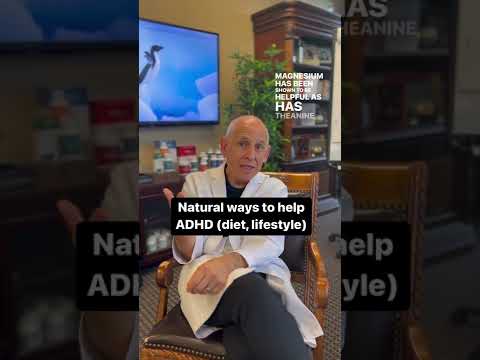
Hey there! So, you know how sometimes life can feel like it’s zooming by? Like, one minute you’re focused, and the next, your brain’s in a million different places? It happens to the best of us!
Maybe you’ve heard about Ritalin or similar meds that people use to help with focus. But here’s the deal—some folks are looking for natural ways to boost their mental wellness. They want options that feel more… well, organic, you know?
This isn’t about ditching meds entirely (that’s a biggie!). It’s more about exploring other paths that might work for you. Think of it as adding a few more tools to your toolbox.
You’re curious, right? Let’s chat about some alternatives that could give you that boost without all the side effects. It just might open up a whole new world for you!
5 Effective Natural Remedies for Managing ADHD Symptoms
Managing ADHD symptoms can be a real challenge, right? If you’re looking to explore natural remedies that might help, there are several options you can consider. Here are some effective natural remedies to keep in mind.
1. Exercise
Regular physical activity is like a magic pill for many people with ADHD! Seriously, it boosts dopamine levels, which can improve focus and attention. You could try activities like running, biking, or even a dance class—whatever gets you moving and makes you feel good!
2. Omega-3 Fatty Acids
These healthy fats are known for supporting brain health. Foods rich in omega-3s include fish like salmon and tuna, walnuts, and flaxseeds. Some studies suggest that increasing omega-3 intake might help lessen ADHD symptoms. So why not add some fish to your diet or snack on walnuts?
3. Mindfulness Meditation
It sounds simple but practicing mindfulness can actually help improve focus and reduce impulsivity. Just taking a few minutes each day to sit quietly and pay attention to your breath or surroundings can make a big difference over time. You might find apps or online videos to guide you if you’re not sure where to start.
4. Sleep Hygiene
Getting enough sleep is crucial for anyone but especially important for those with ADHD symptoms. If you’re having trouble sleeping, try creating a calming bedtime routine—like dimming the lights or reading a book before bed—to signal your brain that it’s time to wind down.
5. Herbal Supplements
Some folks find relief through herbal remedies like ginkgo biloba or passionflower—but be careful! These aren’t as straightforward as the others because they can have side effects or interact with other medications. It’s always best to chat with your doctor before trying new supplements, just to be safe.
So yeah, these natural approaches could be helpful alongside more traditional treatments like Ritalin or other medication options. It’s totally about finding what works best for you! And remember, everyone’s journey with ADHD is unique; sometimes it takes some trial and error to figure things out!
Exploring Natural Supplements for Supporting Children with ADHD: A Comprehensive Guide
So, you’re curious about natural supplements for kids with ADHD? That’s a real thing these days. It can be overwhelming to figure out what’s safe and effective though, so let’s break this down.
First off, **ADHD, or Attention Deficit Hyperactivity Disorder**, is a common condition among kids. It can make focusing tough and lead to impulsive behavior. Some parents look for alternatives to traditional medications like Ritalin when it comes to easing symptoms.
One popular approach is through **natural supplements**. These might help in some cases, but they’re not a one-size-fits-all solution. Here are some of the more well-known ones:
- Omega-3 Fatty Acids: Found in fish oil, these have been linked to brain health. Some studies suggest they may help with concentration and reduce hyperactivity.
- Zinc: There’s research suggesting that zinc levels could affect ADHD symptoms. Foods like pumpkin seeds and cashews are great sources if you want your kiddo to get it naturally.
- Magnesium: This mineral can help with mood regulation and reducing anxiety, which some kids with ADHD experience.
- Iron: Low iron levels have been associated with ADHD symptoms. You want to ensure your child is getting enough from their diet or maybe consider supplements if necessary.
- B Vitamins: Especially B6 and folate may help support cognitive function and reduce impulsivity in children.
Keep in mind that natural doesn’t always mean safe. Just because something comes from nature doesn’t mean it’s all good for your child—or even effective! Just the other day, I heard about a parent who tried giving their kid ginkgo biloba without consulting anyone first. Let’s just say it didn’t go as planned.
Before trying any new supplement, really think about consulting with a healthcare provider who knows your child’s medical history. They can help you navigate options safely.
Another thing? Diet plays a huge role too! Some parents have noticed improvements just by making dietary changes—like cutting out sugars or additives. There’s more research needed on this side of things, but it could be worth looking into!
Also remember that these natural alternatives may take time—think weeks or months—to show effects if they do at all. So don’t expect overnight miracles; patience is key here.
In the end, supporting children with ADHD often means taking a multifaceted approach: therapy, diet changes, lifestyle adjustments alongside any kind of supplements you might add into the mix.
Just stay informed and open-minded while figuring out what works best for your child! Every kid is different so what works for one might not work for another—so keep experimenting until you find the right fit!
Discover Effective Natural Alternatives to Ritalin for Adult ADHD Management
A lot of people looking for mental wellness support often turn to medications like Ritalin for ADHD management. But here’s the thing: there are natural alternatives that some folks find helpful. Let’s break down a few of these options.
First off, dietary changes can have a huge impact on how you feel and function. Eating foods rich in omega-3 fatty acids, like fish or flaxseeds, can improve brain health. You know how when you eat junk food, you kind of feel sluggish? Well, nourishing your body with whole foods can really boost your energy and focus.
Another key area is exercise. Seriously, moving your body can do wonders for your brain. Even something as simple as a brisk walk can increase blood flow to your brain and release those lovely endorphins. You’ll be surprised how just getting outside for 20 minutes can help you feel more centered and focused.
Then there are mindfulness practices. Like meditation or yoga! These techniques have been shown to help reduce anxiety and improve attention span. Imagine sitting quietly and just focusing on your breath—how calming is that? Even if it’s only for a few minutes each day, it adds up!
Now let’s chat about sleeps. Quality shut-eye is super important for managing ADHD symptoms. Lack of sleep can make it even tougher to focus or keep mood swings in check. Try creating a bedtime routine that helps signal to your body it’s time to wind down.
And don’t forget about scheduling breaks during tasks! Breaking up your day into chunks with short breaks allows you to recharge both mentally and physically. If you’re working on something that feels overwhelming, stepping away for five minutes could give you the reset you need.
Also worth mentioning is the idea of herbal supplements. Some people find herbs like ginkgo biloba or ginseng helpful for boosting concentration. But hey, always check with a healthcare provider before starting anything new—this is super important!
Lastly, surrounding yourself with the right supportive community matters too! Friends who understand what you’re going through or joining support groups could provide encouragement when things get tough.
Ultimately, while Ritalin works well for many people with ADHD, these natural alternatives might offer some relief without medication side effects. It’s all about finding what combination works best for you—it’s personal! And remember: taking charge of your mental wellness doesn’t happen overnight; it’s an ongoing journey filled with ups and downs.
So, let’s talk about Ritalin for a sec. It’s a medication often prescribed for ADHD, and while it works wonders for many, some folks might feel uneasy about going the pharmaceutical route. You know? Maybe they’re looking for something more natural to help them focus or manage their energy levels. I totally get that.
Picture this: you’re sitting in class or at work, and your mind is racing all over the place. You want to be productive but feel like you’re juggling a million thoughts at once. I’ve been there, and honestly, it can feel overwhelming. Just like my friend Sarah—she’d tell me how she struggled to concentrate during her online classes. Her mind would drift off while the teacher was talking about something super important!
One day, she decided to explore some natural alternatives instead of just jumping into medications. That’s where things got interesting! She started by tweaking her diet a bit—adding more whole foods like nuts, berries, and leafy greens—stuff packed with nutrients that can really support brain health.
Then there was mindfulness meditation. Seriously, she’d sit down for just 10 minutes each morning to focus on her breath. It sounds simple, but it really helped her clear out that mental clutter and find some calm amidst the chaos.
Oh! And let’s not forget exercise. Whether it was yoga or just going for a brisk walk—getting that blood pumping made a difference too. She found out that physical activity releases those feel-good hormones called endorphins, which could help improve focus and mood.
For some people, herbal supplements like ginkgo biloba or even omega-3 fatty acids can be helpful as well; they say they may enhance cognitive function and overall brain health without the side effects of prescription meds – but always be sure to talk to someone who knows their stuff before diving into that!
But it wasn’t just about these specific things; what helped Sarah most was creating a routine that worked for her personally—a mix of healthy eating, movement, and self-care practices tailored to her life.
If you’re considering natural alternatives too, remember it’s all about finding what clicks with you. What works wonders for one person might not be the perfect fit for another—you follow me? So take your time exploring different options until you find your groove!
At the end of the day, whether it’s Ritalin or natural strategies like these—it’s all about supporting your mental wellness in a way that feels right for you!