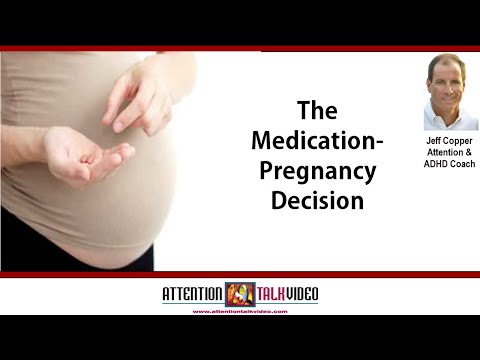
So, you’re pregnant and maybe wondering about Ritalin. Right? It’s a big deal.
Like, do the benefits outweigh the risks? Or is it a total no-go?
You’re not alone in this. Many women are faced with that tough choice. One minute you’re excited, then boom—questions about your mental health pop up.
What if I told you that it’s not just about the meds? There’s so much more to consider—like how it affects you and your baby emotionally.
So, let’s chat about what Ritalin really means during this unique time in your life. You might be surprised by what you learn!
Understanding the Emotional Side Effects of Ritalin: Key Insights and Considerations
Ritalin, or methylphenidate, is a medication often prescribed for ADHD. It can work wonders for focus but can also stir up a whole range of emotional side effects, especially if someone uses it during pregnancy. There are some things worth considering here.
First off, emotional side effects of Ritalin can vary quite a bit from person to person. Some folks might feel heightened anxiety or mood swings. Picture this: you’re feeling on top of the world one minute, then suddenly you’re down in the dumps the next. It’s like being on an emotional rollercoaster!
Now, when it comes to pregnancy, the stakes are even higher. Hormonal changes already have a big impact on emotions during this time. If you throw Ritalin into the mix, it might amplify those feelings even more. Many women report feeling stress or anxiety more intensely while pregnant anyway, so adding a stimulant like Ritalin could complicate that emotional landscape.
Also, let’s not forget about potential withdrawal symptoms. If someone stops Ritalin abruptly during pregnancy, they might face challenges like irritability or mood instability. It can be tough to manage feelings of sadness or frustration without their usual coping mechanisms.
Another thing to think about is the impact on relationships. Emotional ups and downs can strain bonds with partners and friends. They might not understand why someone is flip-flopping between emotions so quickly or seem less engaged.
And hey, there’s also the chance of **developmental considerations** for the baby too! Research has suggested that using Ritalin in pregnancy could affect fetal brain development. This adds an extra layer of complexity to emotional well-being because any potential risks can cause anxiety for expectant mothers.
Here are some key points you might want to keep in mind:
- Anxiety & Mood Swings: Stimulants may induce these feelings; be aware.
- Coping Strategies: Seek support through therapy or counseling.
- Communication: Keep lines open with loved ones about how you’re feeling.
- Consult Healthcare Providers: Regular discussions with doctors are crucial.
- Monitor Emotional Changes: Keeping track helps manage emotions better.
So yeah, understanding these emotional side effects is super important when considering Ritalin use during pregnancy. A little awareness goes a long way in navigating those tricky waters!
Understanding the Psychological Implications of Pregnancy: Insights and Impacts on Mental Health
Pregnancy is a wild ride, isn’t it? It’s not just about the physical changes; your mind goes through a ton of stuff too. So when we talk about the psychological implications of pregnancy, we’ve gotta look at how all these shifts mess with your mental health.
First off, let’s get real about the emotions. One minute you’re on top of the world, and the next, you might feel overwhelmed or anxious. The hormones are flying everywhere, and they can seriously affect how you think and feel. Some women find themselves feeling more sensitive or moody. Others might experience feelings of depression or anxiety that they didn’t have before getting pregnant.
Pregnancy can bring up old feelings. Like things from your past that you thought were settled may suddenly bubble up to the surface. For some folks, this can be linked to their own experiences as children or unresolved issues from relationships. It’s a lot to handle when you’re also trying to prepare for a new life!
Now let’s dig into Ritalin use during pregnancy. Ritalin, often prescribed for ADHD, is one of those medications that comes with its own baggage when it comes to expectant moms. You see, while it helps many people manage their symptoms well, there are psychological considerations to think about if you’re pregnant or planning to be.
If you’re considering staying on Ritalin while pregnant—or even just thinking about it—you’ll want to have an open chat with your doctor. It’s important they understand your full mental health picture.
You know what? Some women choose to stay on their meds during pregnancy because their mental health is crucial too! If that’s where you find yourself, just remember: involving your healthcare team is key. They’ll help weigh risks versus benefits tailored specifically for you.
And here’s something important: the postpartum period may come with its own surprises mentally—especially if you’re off medications like Ritalin during pregnancy or after giving birth. You might feel a bit lost in the shuffle of new responsibilities along with emotional ups and downs.
When it comes down to it, navigating mental health during pregnancy demands lots of self-compassion and understanding from yourself and those around you. Your feelings are valid and deserve attention no matter what choices you make regarding medication.
Overall, being aware of these psychological implications is essential for both maternal well-being and baby’s development! So tune into yourself; recognize those shifts in mood or thought processes—you’re not alone in this journey!
Understanding Ritalin Psychosis: Symptoms, Signs, and Effects
Ritalin, which you might know as methylphenidate, is often prescribed for ADHD. But here’s the thing: it can lead to some unexpected effects, like psychosis, especially in certain situations. That’s what we’re breaking down today—what Ritalin psychosis is all about.
First off, what are the symptoms of Ritalin psychosis? You might be surprised by how varied they can be. Some people may experience:
Just to paint a clearer picture: imagine suddenly feeling like everyone around you is plotting against you or seeing things that just aren’t there. It’s pretty scary stuff.
Now, these symptoms don’t typically occur for everyone taking Ritalin; they’re more common when someone is taking large doses or has certain predispositions to mental health issues. Basically, if your body reacts strongly to stimulants or if there’s a history of mental illness in your family, you might be at higher risk.
And then there are the signs that Ritalin psychosis might be developing. This isn’t just textbook stuff; it can manifest as noticeable changes in behavior.
To put it simply: if a friend who usually loves hanging out starts acting paranoid or withdrawn after starting Ritalin, that could be concerning.
But why does this happen? Well, the way Ritalin works in your brain is crucial here. It affects dopamine levels—a neurotransmitter connected to pleasure and attention—by increasing its availability. Too much stimulation from dopamine can lead to those wild symptoms we talked about earlier.
Now let’s switch gears and talk about Ritalin use during pregnancy. If someone’s pregnant and using Ritalin—it’s definitely something to take seriously. There are psychological considerations because the drug can affect not just the mother but also fetal development.
Research shows that using stimulants during pregnancy may increase risks for certain complications such as premature birth or low birth weight—and yes, potentially affecting emotional development down the line for the child. If you’re pregnant and on Ritalin, chatting with a medical professional about alternatives or adjustments is super important.
So yeah, while Ritalin plays an important role in managing ADHD for many people, keep an eye out for those symptoms of psychosis and mind the added layers when considering its use during pregnancy. It’s all about staying informed and proactive so that you—or someone you care about—can navigate these waters safely!
So, let’s talk about Ritalin during pregnancy. It’s a pretty complex issue. If you’ve ever known someone taking it, you probably know it’s often prescribed for ADHD. But when a woman is pregnant, things get really tricky because what happens in her body affects the little one growing inside, right?
Think about it this way: You’re super excited about having a baby. Then your doctor tells you that you need to balance your mental health with the potential effects of your meds on the fetus. That can feel like being stuck between a rock and a hard place, no doubt! A friend of mine was in this exact spot—she struggled with ADHD and relied on Ritalin to help her focus every day at work. But when she found out she was pregnant, all those worries started flooding in.
On one hand, managing mental health during pregnancy is essential. Stress and anxiety can have their own impacts on both mom and baby, you know? But on the other hand, there are concerns about risks associated with Ritalin—it could potentially affect fetal development or result in withdrawal symptoms after birth. It’s overwhelming just thinking about it!
Every case is different, of course. Some women might find they can manage their symptoms without medication during that time by using therapy or lifestyle changes. Others may need to stay on some form of medication but might work with their doctors to adjust dosages or try alternatives that are safer for pregnancy.
Then there’s the emotional side too—like guilt or fear over making the wrong choice about how to manage ADHD while pregnant. No one wants to feel like they’re compromising their baby’s health but also have to consider their own mental well-being.
Ultimately, conversations about Ritalin use during pregnancy should be open and honest between expecting mothers and healthcare providers. It’s all about finding that balance that works best for both mom and baby without feeling too lost in confusion or uncertainty along the way.