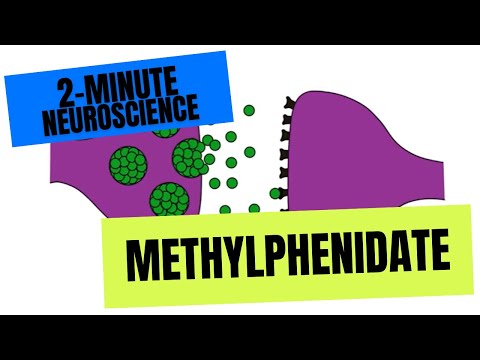
So, let’s talk about Ritalin. You know, that little pill you might have heard about if you’ve ever been around kids with ADHD? But here’s the thing: it’s not just for kids. Some adults take it too, and it plays a big role in mental health care.
What’s cool is that Ritalin has a generic name. Yeah, it’s true! And understanding that name can help you figure out how this med works – and why it matters so much for people struggling with attention issues.
I remember my friend telling me how much of a game changer Ritalin was for her son. Before he started taking it, homework was like pulling teeth. But afterward? His focus was on point! It really opened my eyes to how this stuff can make a difference in someone’s life.
So, if you’re curious about what Ritalin really is and why it’s important, stick around! There’s more to uncover than just the name on the bottle.
Understanding Ritalin: Effective Treatments for ADHD and Beyond
Ritalin, or its generic name methylphenidate, is often associated with treating ADHD, or Attention-Deficit/Hyperactivity Disorder. But, the thing is, its role stretches beyond just that. Let’s break it down in a way that makes sense.
First off, Ritalin works by affecting certain chemicals in the brain. Basically, it increases levels of neurotransmitters like dopamine and norepinephrine. These chemicals help with focus, impulse control, and overall attention span. So when someone takes Ritalin, they might find it easier to concentrate and manage their tasks. Just imagine being in a classroom and feeling like you can finally tune out all the chatter—pretty huge deal for someone struggling with ADHD.
Now, ADHD isn’t just about having a hard time focusing; it also comes with emotional challenges. Picture this: a kid who’s bouncing off the walls during class might not just be hyperactive; they may feel frustrated when things don’t go their way or struggle with anxiety about schoolwork. Ritalin can help with both focus and managing those feelings.
It’s important to note that Ritalin isn’t for everyone. Some folks might experience side effects like insomnia or loss of appetite. It’s why doctors usually start with a low dose and adjust it as needed. They’ll keep an eye on things to make sure it’s really helping without causing more issues.
Beyond ADHD, Ritalin has been used off-label for conditions like narcolepsy—where someone struggles to stay awake during the day—and sometimes even for depression in certain cases when other treatments haven’t worked out well. But remember, these uses are less common.
When considering treatment options, you should definitely chat with your doctor about what’s best for you or your loved one’s situation. They can provide insights tailored specifically to individual needs.
In short, Ritalin is more than just a pill; it’s part of a bigger conversation around mental health care today! It’s about finding balance and getting support where needed—because everyone deserves to feel like their best selves!
Understanding Ritalin: Why It’s Classified as a Controlled Substance
Ritalin, or methylphenidate, is a medication often used to manage Attention Deficit Hyperactivity Disorder (ADHD). It’s classified as a controlled substance, which might raise some eyebrows. So, let’s break it down.
First up, what does that even mean? A controlled substance is basically a drug that the government keeps an eye on because it has potential for abuse or dependency. Yeah, it sounds serious. The thing is, Ritalin works by affecting the brain’s neurotransmitters, like dopamine and norepinephrine. This helps improve focus and attention in people with ADHD. But because it can create feelings of euphoria or increased energy in some folks—especially if taken outside prescribed amounts—it gets categorized as something to be cautious about.
When you think about why Ritalin is a controlled substance, consider this: many medications that work on the central nervous system fall into similar categories. Drugs like opioids or even some anti-anxiety medications are monitored too. Basically, it’s all about safety.
Here are some important points to consider:
- Potential for Abuse: Some people misuse Ritalin for its stimulant effects, thinking it can boost their performance in school or work. But that’s playing with fire.
- Dependence Risk: Prolonged use can lead to tolerance and dependence in some individuals. This means you might need more of the drug over time to get the same effects.
- Regulation: Because of these risks, doctors must prescribe Ritalin following strict guidelines and usually only if they confirm a diagnosis of ADHD.
Let’s talk about real-life implications too. Imagine someone diagnosed with ADHD who really benefits from Ritalin; they finally feel focused and organized! On the flip side, another person might misuse their friend’s prescription for cramming before exams—not cool at all. It’s this type of misuse that raises alarms among healthcare providers.
In the U.S., Ritalin is classified as a Schedule II drug under the Controlled Substances Act. That puts it in pretty exclusive company along with other powerful medications that require careful monitoring by both doctors and pharmacists.
So yeah, while Ritalin can be a lifesaver for many people managing ADHD symptoms, its potential for misuse is taken seriously by health professionals and lawmakers alike. Balance is key—benefits weighed against risks make for an ongoing discussion about mental health care in our society today.
Exploring the Original Uses of Ritalin: A Historical Perspective on ADHD Medication
Ritalin, which is the brand name for methylphenidate, has a pretty interesting backstory. Originally, it started out in the 1940s for a completely different purpose. It was first developed to treat conditions like depression and fatigue after World War II. Can you imagine that? People were looking for a boost in energy and mood after such a tough time, so doctors were prescribing it to help out.
As years went by, something curious happened. In the 1960s, doctors stumbled upon its effectiveness for treating attention-related issues in children. It became clear that this little pill could help kids who had trouble focusing or were overly active—now known as ADHD (Attention Deficit Hyperactivity Disorder). Suddenly, Ritalin was being prescribed more for kids struggling in school rather than adults looking for an energy kick.
Back then, ADHD wasn’t as widely understood or recognized as it is now. Many kids who had trouble sitting still or concentrating were often just seen as «troublemakers.» But Ritalin changed that narrative. It gave doctors a way to help these kids manage their symptoms better, which was kinda groundbreaking at the time.
Fast forward to today: Ritalin is one of the most well-known medications prescribed for ADHD. And honestly, it’s still making waves! Parents now see it not just as a medication but as part of a larger treatment plan that often includes therapy and lifestyle changes.
One aspect worth mentioning is how Ritalin works on your brain. It’s classified as a stimulant, which may sound counterintuitive since we think of “stimulants” in terms of hyperactivity. But what happens is that it helps increase levels of certain neurotransmitters like dopamine and norepinephrine. These are basically chemicals in your brain that control focus and attention—which are super important for anyone with ADHD.
However, throughout its history, it’s faced some scrutiny too. Some folks worry about potential side effects or misuse—especially with adolescents wanting to enhance focus during exams or other pressures. It’s sparked conversations about responsible use and whether everyone really needs medication.
So, yeah, exploring Ritalin’s history gives us insight into not only how far we’ve come in understanding ADHD but also reminds us always to consider individual needs when it comes to mental health care. It’s been quite a ride since those early days!
Ritalin is a name many people recognize, especially in the context of ADHD treatment. But its generic name, methylphenidate, might not roll off the tongue quite as easily. When you hear about Ritalin or, you know, methylphenidate, it’s usually linked to kids bouncing off the walls or struggling to focus in school. You might even remember a friend back in high school who was on it—suddenly super focused one minute and zoned out the next.
So, what’s the deal with Ritalin? Basically, it’s a stimulant that works on your brain’s chemistry. It helps increase levels of certain neurotransmitters like dopamine and norepinephrine. These are super important for attention and impulse control. Think about it this way: if your brain is a car engine, Ritalin kind of adds that extra fuel to help it run smoother.
But here’s a thing to reflect on—how do we feel about medicating children? There’s always that debate floating around, right? On one hand, some kids really need that bit of extra help to succeed academically and socially; I mean, imagine struggling with focus when your friends seem to have no issues at all. On the other hand, you worry about long-term effects or if they’ll become reliant on it. It’s a tough call.
I remember chatting with someone whose child had just been diagnosed with ADHD. They were hesitant about starting medication because they didn’t want their kid to be «different» or reliant on pills just to fit in at school. You could see the tug-of-war in their eyes—the desire for their kiddo to thrive versus the fear of losing something uniquely them.
Anyway, while methylphenidate can be really effective for many folks when paired with therapy and proper support—like behavioral strategies or lifestyle changes—everyone’s mental health journey is different. What works wonders for one person can be totally ineffective for another.
At the end of the day, Ritalin isn’t just a quick fix; it’s part of a bigger picture when it comes to mental health care choices. It’s all about finding balance and being open about what truly helps us function at our best!