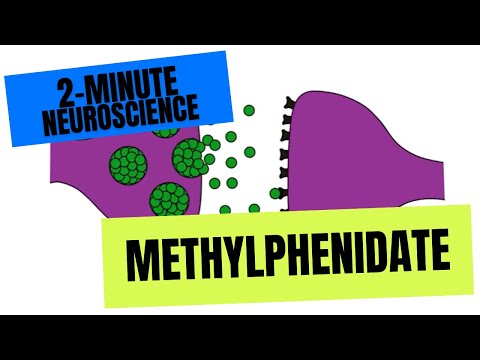
So, let’s chat about Ritalin. You’ve probably heard of it, right? This tiny tablet is a big deal for a lot of folks dealing with ADHD.
But, like, what’s the story behind it? And how does it really work? That’s what we’re digging into here!
Honestly, it can feel a bit overwhelming when you hear the buzz around meds. But don’t stress; we’ll break it down together.
Ritalin isn’t just a pill—it’s part of a bigger picture in mental health treatment. And understanding that can seriously help you or someone you care about!
Stick around, and let’s get into the nitty-gritty of this little powerhouse.
Exploring the Benefits of Ritalin for Managing Anxiety and Depression
Ritalin, or methylphenidate, is mainly known for treating ADHD. But some folks find it’s also helpful in managing anxiety and depression. So let’s take a closer look at how Ritalin might play a role in mental health treatment.
Understanding Ritalin’s Mechanism
Ritalin works by increasing levels of certain neurotransmitters in the brain, mainly dopamine and norepinephrine. These chemicals help improve focus, attention, and mood regulation. You see, when you’re feeling anxious or depressed, those neurotransmitters might not be doing their job right.
Benefits for Anxiety and Depression
Here are some ways Ritalin could be beneficial:
- Improving Focus: When anxiety takes over, concentration can fly out the window. Ritalin helps sharpen focus, making it easier to tackle daily tasks.
- Boosting Energy: Depression often leads to fatigue and low energy levels. Ritalin can provide that little kickstart you need to get moving again.
- Ccognitive Clarity: Feeling foggy? Ritalin may help clear that mental haze so you can think more clearly.
Anecdotal Evidence
I once chatted with a friend who really struggled with both anxiety and depression. He described feeling like he was trapped in a thick fog—everything felt heavy and hard. After his doctor prescribed Ritalin alongside therapy, things began to shift for him. He noticed he could finally start organizing his thoughts without that all-too-familiar cloud weighing him down.
The Risks and Considerations
But it’s not all sunshine and rainbows. There are risks involved too! Some people might experience side effects like insomnia or increased heart rate. And let’s not forget about the potential for dependency if it’s misused.
Plus, it doesn’t work the same way for everyone. Some folks might find it beneficial; others may not notice much difference at all.
The Bottom Line
So far, there’s no one-size-fits-all solution in mental health treatment. While Ritalin can help some people manage anxiety and depression by improving focus, energy levels, and cognitive clarity, it’s crucial to work closely with a healthcare provider to weigh the benefits against any risks.
In the end, finding what works best for you is key—and always remember you’re not alone in this journey!
Understanding Ritalin: Treatments, Benefits, and Insights into ADHD and Beyond
Understanding Ritalin is like peeling back the layers of an onion. It’s all about helping people, especially kids and adults with ADHD, to manage their symptoms more effectively. So let’s break it down.
What is Ritalin?
Ritalin, or methylphenidate if you wanna get technical, is a medication that helps with Attention Deficit Hyperactivity Disorder (ADHD). It’s one of the most commonly prescribed stimulants for this condition. When you take it, the idea is to balance out chemicals in your brain that help you focus and control impulses.
How Does it Work?
Okay, so what happens when you take Ritalin? Well, it boosts dopamine and norepinephrine levels in the brain. Dopamine is like that “feel-good” chemical—it plays a big role in motivation and reward. Norepinephrine helps with attention and responding actions. By increasing these neurotransmitters, Ritalin helps folks with ADHD focus better and think more clearly.
Benefits of Using Ritalin
Now let’s talk about the benefits. For many people with ADHD, taking Ritalin can lead to significant improvements. Here are some key benefits:
- Improved Focus: You might find yourself able to concentrate on tasks longer without jumping from one thing to another.
- Reduced Impulsivity: The medication can help decrease impulsive behaviors, making social interactions smoother.
- Brought Clarity: Folks often report feeling more mentally clear and better able to handle day-to-day activities.
You know, a friend of mine took Ritalin growing up. Before starting the medication, he struggled in school—homework was a disaster zone! But once he got on Ritalin? He could finally sit down and finish assignments without feeling overwhelmed.
A Closer Look at ADHD
Speaking of ADHD, let’s break that down a bit more too. This condition isn’t just about being hyperactive or unable to sit still; it can also mean having trouble focusing or keeping organized. Kids (and adults) may find themselves daydreaming during meetings or losing track of their thoughts mid-sentence.
There’s also this notion that ADHD looks different for everyone. While some folks may be bouncing off the walls in class or at work, others might be more withdrawn or quietly distracted.
The Role of Ritalin
Now back to Ritalin—it doesn’t fix all the problems associated with ADHD but acts as part of a broader treatment plan. Therapy—like cognitive-behavioral therapy (CBT)—can complement medication by providing coping strategies for those everyday challenges.
But here’s something important: not everyone responds to Ritalin in the same way. Some might experience side effects like insomnia or loss of appetite. And that can be tough! Always talk through any worries with your doctor!
Conclusion
So yeah, understanding Ritalin means seeing its potential as part of managing ADHD effectively—and knowing it’s not just a quick fix but part of a bigger picture involving other treatments too. If you’re considering this path for yourself or someone you love? Always consult with a health professional who gets how unique each individual can be when it comes to mental health treatment!
Emotional Side Effects of Ritalin: Understanding the Impact on Mental Health
Ritalin, or methylphenidate, is commonly used to treat ADHD. But it’s not just about focusing better. There can be some emotional ups and downs along the way. You get what I’m saying?
Taking Ritalin can lead to a variety of emotional side effects. Some people might feel more irritable or anxious than usual. It’s kind of like when you’re on a rollercoaster—you’re up one minute and down the next. So, let’s break down some of these emotional rollercoasters, shall we?
- Anxiety: Some folks notice they’re feeling more jittery or nervous after starting Ritalin. It can make existing anxiety worse as well.
- Irritability: Mood swings may happen, and you could find yourself snapping at people over little things.
- Depression: Surprisingly, some people report feeling low or down on themselves while taking Ritalin. That can be tough to handle.
- Emotional Blunting: For others, emotions seem dulled. It might feel like you’re watching life from behind a glass wall—everything feels distant.
- Increased Focus on Negative Thoughts: While trying to focus better academically or professionally, some end up obsessing over negative feelings instead.
Take my friend Sarah, for instance. She started taking Ritalin in college. Initially, she felt great—able to study and keep her grades up! But after a few weeks, she noticed she was snapping at friends over small things and feeling anxious about deadlines that used to be manageable.
It’s essential to remember that everyone reacts differently to medication, right? For some people, these side effects might be mild or even nonexistent; for others, they can be pretty challenging.
If you experience emotional issues when taking Ritalin—or if they’re getting in the way of your daily life—don’t hesitate to chat with your doctor. Seriously! They may suggest adjusting dosages or trying different medications altogether.
In the end, understanding the emotional side effects of Ritalin is crucial for managing your mental health while getting help for ADHD. Keeping an open line of communication with your healthcare provider can make all the difference in finding what works best for you!
So, let’s chat about Ritalin. You know, the medication that people often associate with ADHD? It’s a pretty well-known name out there, and while a lot of folks understand its basic purpose, there’s so much more beneath the surface.
When I think about Ritalin, it reminds me of a friend of mine. He struggled with attention issues growing up—sat in class kinda zoning out while his mind raced with all sorts of thoughts. One day, he finally decided to talk to someone about it, and that led him to get prescribed Ritalin. At first, he was super skeptical. Like, would this tiny pill really help him focus? But soon enough, he noticed a shift. Instead of feeling lost in a sea of distractions, tasks became more manageable. It felt like someone flicked a switch.
Ritalin works by increasing dopamine and norepinephrine levels in your brain—basically helping you pay attention and stay focused. But hey, it’s not just about popping pills; there’s usually a whole lot going on alongside that treatment—therapy sessions, coping strategies… you name it!
But here’s the thing: meds like Ritalin aren’t for everyone. It can come with side effects like insomnia or decreased appetite—which can be tough when you’re already juggling life’s stresses as it is. And sometimes it feels like finding the right dosage is like playing a game of Goldilocks—too little doesn’t do much help, and too much can feel overwhelming.
It’s also interesting how society views medications for mental health issues overall. Some people are still hesitant about them or see them as a quick fix rather than part of a holistic approach to wellness. Can’t blame anyone for questioning the status quo; all those stories out there make it hard to navigate what feels right for you.
So yeah, while Ritalin has its place in helping many people manage their symptoms effectively—it’s also just one piece in the puzzle of mental health treatment. Just remember: your journey is whatever feels best for you!