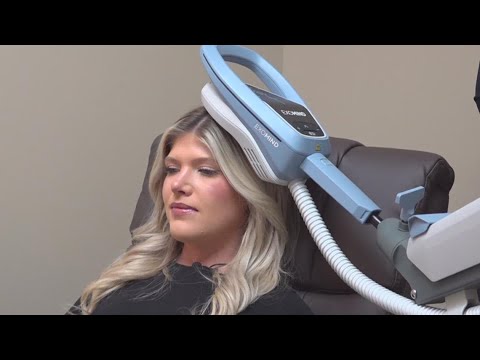
Hey! So, let’s talk about something that’s been buzzing around lately—rTMS therapy for depression. You might be thinking, “What in the world is that?”
Well, it’s this cool non-invasive treatment that’s giving folks a new glimmer of hope. Seriously, it’s like a breath of fresh air for people who feel stuck in the blues.
I mean, we all know how tough it can get when you’re battling those dark clouds. It can feel like you’re running on empty. But what if there was a way to spark some light back into your life?
Curious yet? Let’s dive in together and see what all the fuss is about!
Exploring rTMS: An Effective Treatment for Depression?
rTMS, or repetitive transcranial magnetic stimulation, is something you might have heard about if depression’s been a struggle for you or someone you care about. It’s this cool treatment that uses magnetic fields to stimulate nerve cells in the brain. Sounds a bit sci-fi, right? But it’s showing real promise—like, seriously promising—in helping people feel better.
How does rTMS work? Basically, during a session, an electromagnet is placed on your scalp. It delivers magnetic pulses that can influence brain activity. Over time, this may help those pesky areas of the brain that aren’t working quite right in folks dealing with depression.
So where does it fit into the whole “treatment for depression” picture? Well, rTMS is often considered when traditional treatments like therapy and medication haven’t worked out as hoped. You know how frustrating it can feel when meds seem to miss the mark? That’s where rTMS comes in as an option.
Then there’s the question of safety. Most people tolerate rTMS pretty well! Sure, some might experience headaches or discomfort at the site of the magnet—but really not much compared to other treatments out there.
Is it effective? Research says yes! A lot of studies point to significant improvements in depressive symptoms for many folks after several sessions of rTMS. One study even found that about 50% of participants experienced a good response after treatment! That’s not too shabby.
Some people also notice quicker results compared to traditional antidepressants which can take weeks or even months to kick in. Imagine feeling less like you’re trudging through mud and more like you’re starting to enjoy life again—sounds nice, huh?
However, don’t get too carried away just yet. It’s important to keep expectations realistic. Not everyone responds; some may find they need multiple sessions before noticing a difference or might combine it with other treatments for maximum effect.
In terms of what happens during these sessions? You’re generally looking at around 20-30 minutes per visit over several weeks. It usually feels pretty chill—most people just sit back while wearing headphones and you’ll probably hear clicking sounds from the machine doing its thing.
What kinds of depression does it treat? While it’s primarily used for major depressive disorder (MDD), researchers are exploring its effects on other conditions too—like anxiety disorders and PTSD! How great would it be if something this innovative could help tackle multiple issues?
In summary: rTMS is an interesting option that’s gaining traction as an effective treatment for depression when other methods fall short. If you’re feeling stuck and traditional paths haven’t worked out for you or someone close, chatting with a healthcare provider about rTMS might open up some new possibilities. It’s definitely worth considering if you’re looking for hope in the sometimes heavy world of mental health treatment!
Boosting Motivation: How TMS Therapy Can Help You Reach Your Goals
Motivation can sometimes feel like this elusive thing, right? You want to get up and tackle the day, but the drive just isn’t there. For people dealing with depression, it’s like trying to run a marathon through quicksand. That’s where TMS therapy—short for Transcranial Magnetic Stimulation—comes into play.
TMS therapy is non-invasive and uses magnetic fields to stimulate nerve cells in the brain. More specifically, it targets areas involved in mood regulation. The cool part? It’s been shown to help with depression, which can directly boost motivation levels. When you’re feeling better mentally, it’s easier to get excited about your goals.
Here are some key points on how TMS can help you boost your motivation:
But here’s the kicker: it doesn’t work for everyone right away; some people might need multiple sessions before they start seeing results. And while undergoing this treatment isn’t going to give you instant motivation like a shot of espresso does, it gradually opens doors.
I remember a friend who struggled for years with getting out of bed every morning. It felt like she was stuck on pause while the rest of the world was on fast-forward. After starting TMS therapy, she mentioned it felt as if someone turned up the brightness on her life again. Simple things—like wanting to make breakfast or take a walk—became possible again.
It’s also important to keep in mind that TMS therapy isn’t a silver bullet. It often works best when combined with other forms of treatment like talk therapy or medication adjustments. Think of it as one piece of a larger puzzle.
In essence, if motivation feels like an uphill battle due to depression or anxiety, TMS therapy could be worth considering as part of your mental health journey. Getting started might just give you that little push you need toward reaching those goals!
Finding SAINT Treatment for Depression: A Comprehensive Guide to Locations and Resources
Finding the right treatment for depression can feel like hunting for a needle in a haystack, especially when you hear about something like rTMS therapy, which stands for repetitive Transcranial Magnetic Stimulation. It’s kinda like giving your brain a workout, you know? And there’s this newer approach called SAINT therapy that people are talking about too.
SAINT treatment is a specialized form of rTMS that aims to tackle severe depression more effectively. The cool thing is that it’s showing promise for folks who haven’t had much luck with traditional treatments. But where do you even start looking for SAINT therapy options?
- Research Local Providers: Your first step is checking in with local mental health clinics or hospitals. Many of them are starting to offer these cutting-edge therapies. Websites can be super helpful here, and you can also call to ask if they do SAINT therapy specifically. Don’t hesitate to get direct!
- Treatment Centers: There are dedicated treatment centers out there focused on advanced therapies like rTMS and SAINT. A quick online search can pull up facilities near you. These places often have more experience with newer techniques and might have resources specifically tailored to your needs.
- Insurance Coverage: You should definitely check with your insurance provider about coverage for SAINT or rTMS treatments. Some plans are getting better at including these options, but it really varies from one policy to another.
- Your Therapist’s Opinion: If you’re already seeing a therapist or psychiatrist, bring it up! They might have insights into where to find reputable centers offering this type of treatment.
So picture this: you’re feeling stuck in a rut—like no matter what you try, nothing seems to lift the weight off your shoulders. That’s where exploring options like SAINT comes in. It may sound scary at first, but people have shared stories about how finding the right treatment has truly changed their lives.
You may also find support groups online or locally where people share their experiences with these therapies. That kind of connection can be invaluable! Seriously—it feels good knowing others out there have faced similar battles and found their way forward.
Bouncing back from depression often isn’t easy or straightforward, but getting informed about options like SAINT can be a game-changer. Just take it one step at a time—you’ve got this!
You know, dealing with depression can feel like trying to walk through a fog that just doesn’t lift. I’ve talked to so many people who’ve battled with it, and it’s heart-wrenching. They often share stories of feeling stuck, like every day is an uphill climb. But then there’s this thing called rTMS therapy. It sounds a bit sci-fi, but stay with me here.
rTMS stands for repetitive transcranial magnetic stimulation. It’s basically this groundbreaking treatment that uses magnetic fields to stimulate nerve cells in the brain. Imagine if you could sort of «wake up» those sleepy brain cells that are connected to your mood. That’s the idea behind it! I remember chatting with a friend who had tried everything under the sun—therapy, meds, you name it. Then she decided to give rTMS a shot after hearing about it from a support group.
She described it as lying back in a comfy chair while this gentle tapping—almost like someone drumming on your head—happened for about 20 minutes each session. At first, she was skeptical, but gradually she started noticing little shifts in her mood. Little by little those dark clouds began to part.
What really gets me is how non-invasive it is compared to some other treatments out there. There are no needles or major side effects like you’d find with some medications. Plus, many folks report feeling more themselves again after just a few sessions! It’s like finding that missing piece of a puzzle that finally brings the whole picture together.
Sure, rTMS isn’t a magic bullet and it’s not for everyone—everyone’s journey with mental health is different—but for some people, it’s brought them back into the light when they thought they’d be stuck in darkness forever.
If you’ve been feeling like you’re at the end of your rope or just need another option to explore, rTMS might be worth checking out. Seriously! It’s such an exciting development in mental health treatment and can offer new hope when you least expect it.