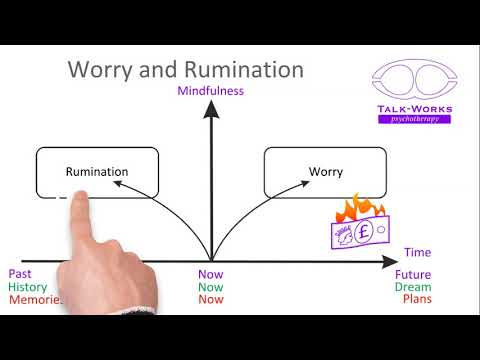
You know that feeling when your mind just won’t shut up?
Like, you’re trying to relax, but your brain’s got other plans. It keeps going over the same old worries and scenarios, and it’s exhausting.
That’s rumination and worry for you.
They can sneak up on anyone. And honestly, they’re no fun.
Picture this: you’re lying in bed at 2 a.m., replaying that awkward conversation from three days ago. Sound familiar?
Yeah, it’s a thing we all deal with sometimes. Let’s chat about how to tackle it together!
Effective Rumination CBT Worksheet: A Step-by-Step Guide to Overcoming Negative Thinking
Rumination can be a real pain, can’t it? You know, it’s that endless cycle of going over and over things in your mind. Like when you replay a conversation and think about what you should’ve said differently. The thing is, rumination doesn’t help; it just drags you down. That’s where **Cognitive Behavioral Therapy (CBT)** comes in handy. Let’s break down how an effective rumination CBT worksheet can help you kick those negative thoughts to the curb.
Understanding Rumination
Basically, rumination is like getting stuck in a mental traffic jam. You’re just spinning your wheels but not going anywhere. This kind of thinking often leads to feelings of anxiety and depression. Have you ever found yourself lying awake at night, stressing over something that happened months ago? Yeah, I’ve been there too.
What Does a Rumination CBT Worksheet Look Like?
A good worksheet guides you through identifying negative thoughts and changing them into positive ones. It’s like having a roadmap for your brain! You usually start with these sections:
A Practical Example
Let’s say someone made an offhand comment about your presentation at work. You might ruminate on this and think, “I completely messed up.” That goes into your **Negative Thought** section.
In the **Evidence For** section, you might jot down: “I stumbled on my words.” But when you get to **Evidence Against**, consider: “My boss praised my creativity afterward” or “My colleagues asked questions because they were engaged.”
Then, in the **Alternative Thought** box, maybe you’d write: “I had some hiccups, but overall it went well.” This shift in mindset can really change how you feel.
The Benefits of Using This Worksheet
Seriously, having this structure helps pull you out of that downward spiral. Instead of letting those pesky negative thoughts run wild unchecked, you’re actively pushing back against them with logic and reality.
And look, working through this regularly can make a noticeable difference over time. Instead of just accepting whatever pops into your head as truth, you’re training yourself to think critically about those thoughts.
This Isn’t Just About Writing
Don’t get me wrong—putting pen to paper is great! But sometimes talking things out is equally valuable. Sharing how you’re feeling with a friend or therapist can lead to even more clarity and support while navigating through tough emotions.
So if you’re tired of letting rumination steal joy from your life? Grab that worksheet! You’ll be surprised at how much control you regain once you’ve confronted those swirling thoughts head-on. Remember: It takes practice—so be gentle with yourself along the way!
Effective Strategies for Managing Worry and Rumination: A Comprehensive PDF Guide
Managing worry and rumination can sometimes feel like an uphill battle, right? You lay in bed at night, your mind racing through all those “what if” scenarios, or maybe you catch yourself replaying old conversations over and over. It’s exhausting! So let’s talk about some strategies that can really help you deal with this.
First off, it’s important to recognize your triggers. What usually gets you in that cycle of worry? Is it work-related stress? Relationships? Just being aware can help you start to manage those feelings before they spiral out of control.
Then there’s the good ol’ mindfulness technique. Seriously, this one works wonders. Basically, mindfulness is all about staying present. When you find yourself ruminating, try focusing on what’s happening around you. Maybe listen to some calming music or take a few deep breaths. You know—it helps ground you and can pull your mind away from that worrying spiral.
Another strategy is setting time limits for worrying. I know it sounds funny, but hear me out! Give yourself like 10-15 minutes a day where you can allow yourself to worry as much as you want. After that time is up? Move on to something else. It’s kind of like a scheduled worry session; it might sound silly, but it allows you to acknowledge your concerns without letting them take over your entire day.
Also, consider jotting down your thoughts. Grab a notebook or even use an app on your phone—whatever works for you. Writing things down helps clear mental clutter and can lead to a bit of relief because you’re not just keeping everything bottled up inside.
Another tip? Cognitive restructuring. This is a fancy term for changing the way you think about stuff. Next time you’re caught in a rumination trap, challenge those negative thoughts. Ask yourself: “Is this thought really true?” or “What evidence do I have for this?” It helps create space for more balanced thinking.
And hey, don’t forget the importance of connection! Sometimes just talking through your worries with someone can be super helpful. Whether it’s friends or family or even chatting with a therapist—a different perspective often eases that burden.
Lastly, keep in mind that self-care matters. Engage in activities that bring joy—whether that’s painting, going on hikes, or binge-watching that show everyone talks about. Taking care of yourself physically and mentally makes dealing with worries much easier.
So yeah, managing worry and rumination takes practice—it doesn’t just happen overnight. But by trying out these strategies little by little, you’re more likely to lighten the load they bring into your life!
Understanding Rumination: Real-Life Examples and Their Impact on Mental Health
So, let’s talk about rumination. It’s that annoying habit of endlessly replaying past events in your head. You know, like when you can’t stop thinking about that embarrassing thing you said last week? Yeah, that kind of stuff. It’s not just a little annoyance, though; it can seriously impact your mental health.
What is Rumination? Basically, it’s when your brain gets stuck on a particular thought or feeling. This isn’t just thinking; it’s more like digging a hole and getting deeper and deeper in there without any way out. Instead of finding solutions or moving on, you’re just going over the same thoughts repeatedly.
A common example? Imagine you had an argument with a friend. You replay every detail in your mind, wondering what you could have said differently. You might even start to feel angry again or get upset all over again! That constant loop creates stress and anxiety. Seriously, people can get trapped in this cycle for hours—or even days.
Now, how does this impact mental health? Well, rumination is linked to feelings of depression and anxiety. When you can’t let go of negative thoughts, it can lead to low mood or increased worries about the future. It’s like carrying around extra baggage that weighs you down.
- Increased Anxiety: Constant worrying can ramp up feelings of anxiety because you’re always anticipating the worst outcome.
- Depression: Many folks who ruminate end up feeling hopeless or helpless since they focus only on negative experiences.
- Difficulty Concentrating: Ever try to focus on work or school when your mind keeps drifting back to that one mistake? Yeah, pretty hard!
- Trouble Sleeping:If you’re lying awake at night replaying old conversations or stressors, it’s no wonder sleep could become elusive.
You might be thinking: “Okay, I get it—rumination is bad news! But what do I do about it?” Well, recognizing the behavior is the first step. Notice when you’re falling into those thought patterns and practice redirecting your focus. Try grounding techniques like taking deep breaths or even distracting yourself with an activity—like going for a walk or chatting with a friend.
Anecdote time! I once spoke with someone who struggled with rumination after losing their job. They would sit for hours thinking about what they could’ve done differently during interviews or why they were let go. This spiraled into feeling totally worthless until they started journaling their thoughts instead. Writing helped them process what happened and shift focus from blame to growth!
The thing is, everyone ruminates sometimes—it’s part of being human—but knowing how to manage those thoughts makes all the difference in keeping your mental health in check! So if you’re leaning towards worry more than usual, remember there are ways out…you just gotta find them!
You know how sometimes your mind just won’t shut off? Like you’re lying in bed at night, and suddenly, that embarrassing moment from seven years ago pops into your head, or you start thinking about what could go wrong tomorrow? That swirling whirlpool of thoughts is called rumination, and it can really take a toll.
I remember this one time when I was waiting for an important job interview. I spent the whole night replaying potential questions in my mind. But instead of feeling prepared, I just got more anxious. That nagging worry kept creeping back. What if I forgot my answers? What if they didn’t like me? It felt like being trapped in a loop with no escape.
Rumination is a tricky one because it feels productive, right? Like you’re thinking deeply about stuff and figuring things out. But truthfully, it’s more like running on a treadmill: you’re putting in all this effort but not getting anywhere. Instead of solving problems, you’re just spinning in circles.
And let’s not forget about worry! It’s often the tagalong friend to rumination. Worry pulls you into the future, usually imagining worst-case scenarios. Oh boy! When that happens, it can drain your energy faster than a smartphone battery on 1%. You might find yourself avoiding situations altogether just to escape those feelings. I mean, it’s easier to skip something than to face that knot in your stomach.
So how do we tackle these challenges? First off: awareness. Just recognizing when you’re stuck ruminating or worrying can be a game changer. It’s like realizing your shoe’s untied before you trip!
You could also try grounding techniques—simple stuff like focusing on your breath or paying attention to what’s around you at the moment. Seriously! Just noticing colors or sounds can help pull you back into the present instead of getting lost in thought spirals.
And talking it out helps too—you know? Sometimes just sharing what’s eating at you makes those burdens feel lighter. Whether it’s with a friend or a therapist, voicing those swirling thoughts can be so freeing.
Navigating rumination and worry isn’t easy; it takes practice and patience. But it’s totally doable! And hey, if you’re reading this while battling those pesky thoughts—know that you’re not alone in this journey!