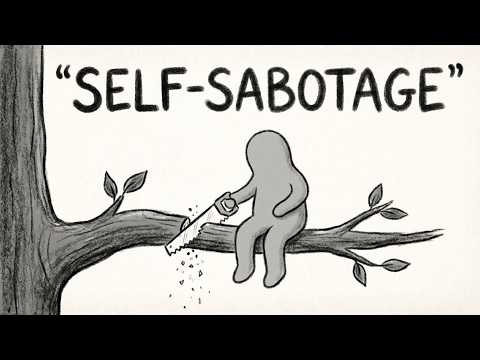
You know that feeling when you’re your own worst enemy? Yeah, that’s self-sabotage for you.
It sneaks in when you least expect it, like a ninja in the night. One moment, you’re all set to chase your dreams, and the next, boom! You trip over your own feet.
I mean, haven’t we all been there? You say yes to something but then back out last minute. Or maybe you push away good things just when they start happening. It’s wild how we can hold ourselves back.
So let’s chat about why this happens. What’s going on inside our heads that makes us pull the brakes on our own happiness? Buckle up!
Understanding Self-Sabotage: Insights from Psychology on Overcoming Self-Destructive Behaviors
Self-sabotage is like this sneaky little monster hiding in the corners of your mind, whispering doubts and fears whenever you’re about to make a big leap. Seriously, it can take all sorts of forms—from procrastinating on an important project to pushing away people who care about you. It’s frustrating and confusing because you want success but somehow end up undercutting yourself.
Understanding self-sabotage starts with recognizing the underlying feelings driving these behaviors. Often, it comes from a place of fear—fear of failure, fear of success, or even fear of change. Maybe you’ve just landed an awesome job opportunity, but instead of celebrating, you find yourself binge-watching TV instead of preparing for that first day. The thing is, these self-destructive behaviors often serve as coping mechanisms for deeper emotional struggles.
Think about it: imagine you’ve got a big presentation coming up at work. Instead of practicing or preparing your slides, you scroll endlessly through social media or get lost in the latest online drama. Later, when it comes time to present, your anxiety skyrockets because you’re unprepared! This isn’t just bad luck; it’s self-sabotage rearing its ugly head.
So why do we do this? A lot has to do with something called cognitive dissonance. This is when your beliefs don’t line up with your actions. If deep down you believe you’re not good enough to succeed—or even if there’s just a hint of that thought—you might unconsciously sabotage yourself to avoid the pain that comes from confronting those beliefs.
On another note, some people resort to self-sabotage as a way to hold onto control in unpredictable situations. Let’s say you’ve had some rough relationships in the past; when someone new starts showing interest in you, maybe you push them away before they can hurt you again. It feels safe in the moment but ultimately leaves you feeling lonely and regretful.
Breaking the cycle requires awareness and effort. You gotta challenge those negative thoughts and replace them with something healthier. Instead of saying “I’ll mess this up,” try telling yourself “I’m learning and growing.” Try journaling about these thoughts too—it helps clarify what you’re feeling and can lead to lightbulb moments about why you’re acting this way.
Another approach is seeking support from others—talking things out with friends or a therapist can be super helpful. They might see things from a different angle and help remind you that it’s okay to step outside that comfort zone.
Lastly, remember that everyone stumbles at some point; it’s totally human! What matters is how we pick ourselves up afterward—and recognizing the patterns behind our self-sabotaging behaviors can put us on a better path forward! So keep going; you’ve got this!
Understanding Self-Sabotage: The Mental Disorders Behind Self-Destructive Behavior
Self-sabotage is like shooting yourself in the foot when you’re trying to run a marathon. You work hard towards your goals, but somehow, you end up doing things that can mess it all up. It’s frustrating, right? Well, here’s the scoop on why this happens and the mental health issues behind it.
First off, what is self-sabotage? In simple terms, it’s when you act against your own best interests. Maybe you’re procrastinating on that big project or pushing loved ones away when they get too close. But why do we do this?
One key player in this game is **anxiety**. When you’re anxious about failing or being judged, you might start to self-sabotage to avoid that scary outcome altogether. It’s like saying, «If I don’t try hard enough, then I can’t fail.» But guess what? You’re still failing by not even giving yourself a chance.
Another major culprit is **low self-esteem**. If you don’t believe you’re worthy of success or happiness, you’ll likely do things that confirm those negative beliefs. You might think you don’t deserve good things in life – so when something good comes your way, your mind finds a way to ruin it for you.
Then there’s **depression**, which tends to come with feeling stuck and hopeless about the future. When you’re in that dark place, making positive changes feels impossible. So sometimes the easiest thing seems to be just… not doing anything at all.
It isn’t always so clear-cut; these issues can mix together like a complicated smoothie! For instance:
- Anxiety makes you doubt yourself.
- Low self-esteem convinces you that you’re destined for failure.
- Depression tells you it’s easier to stay frozen than to push forward.
Ever had one of those days where everything just feels off? Like one time I decided to hang out with friends after a rough week at work. Instead of enjoying their company and having fun, I kept making excuses to leave early—my mind was telling me I didn’t deserve that happiness.
Self-sabotage isn’t just about choices; it’s also about patterns ingrained over time – almost like they become automatic responses (ugh!). Think of them as mental defense mechanisms preventing us from getting hurt again.
Awareness is key here. Recognizing these behaviors is the first step in breaking free from them. Sometimes therapy can help tackle these underlying mental health issues directly—getting into where the feelings come from rather than just dealing with the symptoms on top.
Another thing that’s worth mentioning is how social influences come into play too—friends and family can either lift us up or drag us down. If people around us are critical or negative, let’s be real: it’s really easy for those vibes to seep into our heads too!
So if you’ve noticed self-destructive patterns creeping up in your life, take heart! You’re definitely not alone in this fight against yourself—it’s common and very human behavior shaped by multiple factors beyond our control sometimes.
By working on recognizing these patterns and seeking help when needed—a good therapist could be like a personal trainer for your brain!—you can start turning things around step by step and find healthier ways of coping with stressors instead of sabotaging yourself right along the way.
Understanding the Psychological Profile of Self-Sabotage: Unraveling the Mindset Behind Self-Destructive Behaviors
Self-sabotage is one of those tricky things, isn’t it? You know, when you find yourself doing something that totally goes against what you really want. It’s like watching a movie where the hero keeps tripping over their own feet just as they’re about to save the day. Understanding this psychological profile can help untangle some pretty complex feelings and behaviors.
So, what’s going on in our minds when self-sabotage kicks in? First off, let’s talk about fear. It’s a big player here—fear of failure or even fear of success. Imagine you’ve got a big project at work that could lead to a promotion. But instead of putting your best foot forward, you procrastinate or don’t give it your all. Deep down, the idea of failing feels overwhelming. But oddly enough, so does the thought of thriving—it can feel like too much pressure or change.
Another factor is low self-esteem. If you don’t believe you deserve good things, it’s easy to mess things up without realizing it. Picture this: someone constantly dating people who treat them poorly. They might think they’re not worthy of a healthy relationship—so they choose partners who make them feel bad instead. It’s heartbreaking and kind of eye-opening at the same time.
And then, there’s that little voice inside us—the inner critic. It loves to pop up right when we’re about to take a leap forward with comments like, “Who do you think you are?” or “You’ll never pull this off.” This voice has been around forever for many people and can really hold them back from reaching their full potential.
So let’s break it down into
- Fear: Fear can stop us from moving forward in life.
- Low Self-Esteem: If you don’t think highly of yourself, you’re more likely to push away good opportunities.
- Inner Critic:This critical voice often plays the role of a gatekeeper for our self-destructive behaviors.
Now here comes the emotional part—you know how much we crave connection and approval? Sometimes, self-sabotage is rooted in our relationships with others too. Maybe someone grew up in an environment where love was conditional based on performance or behavior; if they fell short, there was no affection coming their way. So subconsciously, they might push away those who genuinely care about them because deep down they fear they can’t keep that love alive.
But here’s the silver lining: understanding why we engage in these behaviors is a solid first step toward change! Once we get a grip on our patterns and what’s behind them, we can start working on building better habits and skills; maybe through therapy or support groups.
In essence, self-sabotage isn’t just random chaos; it’s often fueled by deeper emotional truths that need attention and healing. You might find yourself on this journey filled with ups and downs—but seriously? That journey can bring some incredible breakthroughs if you’re willing to face those tough spots!
Self-sabotage is one of those things that you might not even realize you’re doing until it hits you like a ton of bricks. It’s like having a little gremlin inside your head, whispering negative thoughts just when you’re about to make a big move—like applying for that dream job or starting a new relationship. You know what I mean?
I remember a friend who always had this killer idea for a business. She was passionate, creative, you name it. But every time she got close to actually launching it, she’d pull back. She’d say, «I’ll just wait until I have more experience.» Or «What if people don’t like it?» And honestly? That waiting turned into years. Looking back, it was pretty clear she was putting up roadblocks without even realizing it.
So what’s going on in your brain when this happens? Well, self-sabotage often stems from deep-seated fears—fear of failure or even fear of success. Like, how crazy is that? You might feel unworthy of happiness or think that if you succeed, you’ll have to keep living up to those expectations. It’s tricky! Plus, we sometimes stick with the familiar misery because it’s comfortable. That’s the funny thing about human nature; we cling to things we know—even if they’re not good for us.
The effects can be pretty dramatic too. It can lead to chronic stress and anxiety because you’re in this tug-of-war with yourself all the time. Plus, relationships can take a hit—friends and family might get frustrated watching you hold yourself back.
But here’s where it gets hopeful: recognizing self-sabotage is the first step out of that cycle. When my friend finally took some small steps toward her business—like creating an Instagram account for her idea—it was amazing how quickly she started gaining confidence and momentum. So really, it’s all about awareness and gradually pushing through those barriers.
In the end, understanding why we do what we do helps us change our story from one of fear and hesitation to one filled with courage and action. It’s not always easy—you’ll still face doubts—but knowing there’s something deeper at play gives you room to grow and maybe even forgive yourself along the way.