Winter can feel like an endless gray blanket, right? The days get shorter, the weather turns cold, and suddenly you might feel like you’re carrying a weight.
You know that feeling when you just can’t shake off the blahs? You wake up every day, and it’s like the world lost its color. That’s what a lot of folks experience with Seasonal Affective Disorder, or SAD for short.
It’s more than just feeling sad; it’s a real thing that messes with your energy and mood. Honestly, it can feel pretty isolating too—like everyone else is swimming along while you’re just trying to keep your head above water.
But here’s the good news: there are ways to manage it. So let’s chat about what SAD actually is, how it feels, and some paths to brighter days ahead. Sound good?
Understanding Seasonal Affective Disorder: Symptoms, Treatment, and Coping Strategies
Seasonal Affective Disorder, or SAD, is a type of depression that hits during certain seasons. For most folks, it pops up in the winter when days are shorter and the sun seems to take a long vacation. Understanding SAD means recognizing how it affects your mood, energy levels, and overall well-being.
Symptoms can vary widely from person to person but usually include:
- Feeling down or hopeless: You might feel like you’re trudging through mud, every day just feels heavy.
- Lack of energy: Getting out of bed might seem like an Olympic sport during these months.
- Changes in sleep: Some people oversleep while others can’t catch a wink.
- Coping with cravings: A lot of us find ourselves reaching for comfort foods, like carbs and sweets. It’s like our body craves extra calories to deal with the gloom.
- Irritability: Little things that usually don’t bother you start to kind of get under your skin.
Now, what’s causing all this? Well, it seems that limited sunlight messes with our body’s internal clock and can reduce levels of serotonin—a chemical that’s super important for mood regulation. And when you think about it, light exposure helps regulate melatonin too—it’s the hormone that controls sleep cycles. So without enough sunlight? Yeah, you can definitely see why some people feel off.
When we talk about treatments for SAD, there are a few options worth checking out:
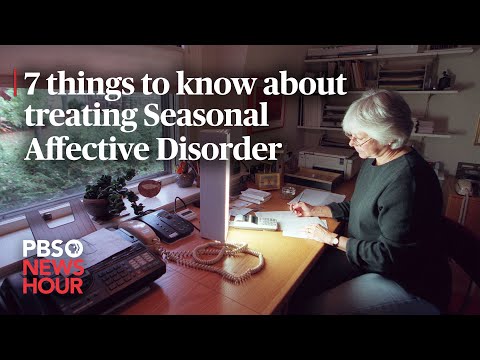
- Light therapy: This involves sitting in front of a special light box that mimics natural sunlight. Just 20-30 minutes a day can help some folks feel more balanced.
- Cognitive Behavioral Therapy (CBT): This is all about changing negative thought patterns into more positive ones. Kind of like retraining your brain!
- Medication: Some people benefit from antidepressants—especially if they’ve struggled with depression before.
But here’s something to keep in mind: not every treatment works for everyone. It might take some time to find what clicks for you.
Coping strategies don’t stop at treatments either—there’s a whole toolbox you can use:
- Create a routine: Regular sleep and meal times can help give structure when everything else feels chaotic.
- Stay active: Even if it’s just taking short walks or stretching at home; movement can lift your spirits.
- Pursue hobbies: Engaging in activities that bring you joy can be a game-changer during those darker months. Painting? Reading? Just do what makes you smile!
And here’s an anecdote: I remember talking to my friend Emma during January—the sky was gray for weeks on end. She felt like she was stuck in a fog and everything seemed bleak. But once she started light therapy and made a commitment to stay active by joining an indoor yoga class? It was inspirational! Slowly but surely her energy kicked back in.
So if you’re feeling the weight of winter blues or think SAD might be hanging around too long, know you’re not alone. Seriously reach out—whether it’s talking to someone who gets it or finding professionals who specialize in this stuff. There are ways through this; sometimes it’s just about finding the right path for yourself!
Effective Strategies for Coping with Seasonal Affective Disorder (SAD)
Seasonal Affective Disorder, or SAD, can feel really heavy during those long, dark months. You know? It’s like a low cloud just hangs over you. But there are ways to cope with it that can really help brighten things up.
First off, let’s talk about light therapy. This involves sitting in front of a special light box that mimics natural sunlight. It sounds kind of weird at first, but many people swear by it! It’s usually recommended to start using it in the fall and keep going through winter. Just remember to choose a box that filters out UV rays.
Another strategy is getting outside whenever you can. Exposure to natural light is golden for your mood. Even on overcast days, being outdoors can help. A simple walk around the block or even spending time in your backyard can make a difference.
Don’t forget about physical activity. Seriously, exercise has tons of benefits for mental health. You don’t have to run a marathon—just find something you enjoy! Dancing in your living room counts too! Exercise releases endorphins which can boost your mood and energy levels.
Connecting with others is super important as well. Sometimes when you’re feeling down and isolated, reaching out feels tough. But chatting with friends or family—even if it’s just a quick text—can lift your spirits. Joining groups or clubs can also be helpful for meeting new people who understand what you’re going through.
Now let’s chat about mindfulness and meditation. These practices are all about being present and learning to manage stress better. There are apps that guide you through meditation and help get you started if you’re new to it—so don’t worry! Just take baby steps and make it part of your routine.
Also, consider keeping a regular schedule. Try to wake up and go to bed at the same time every day, even on weekends! Routines like this help regulate your body’s internal clock which helps improve mood stability during the darker months.
For some folks, talking to a professional might be necessary too. Therapy is not just for when things feel overwhelming; sometimes, having someone guide you through coping strategies specifically for SAD can open up new paths for healing.
Lastly, don’t be shy about using supplements like vitamin D if you’re lacking sunlight exposure (but always check with someone who knows!). Some studies suggest they might help reduce SAD symptoms.
So yeah, coping with Seasonal Affective Disorder isn’t easy—it takes effort on your part—but these strategies really do offer ways to manage those challenges head-on! Remember that each person is different though; what works wonders for one might not work as well for another. But trying out several approaches could lead you closer to finding what makes the most sense for you personally!
Effective Strategies for Managing Seasonal Affective Disorder: Tips for Enhancing Your Mental Well-Being
Seasonal Affective Disorder, or SAD for short, can really put a damper on your mood during those dreary winter months. You know how it feels—days are shorter, sunlight is scarce, and everything just seems a bit gray. It’s more than just feeling “down”; for some people, it can mess with daily life quite a bit.
But don’t worry! There are several effective strategies to help you manage SAD and boost your mental well-being. Here’s what you might want to try:
- Light Therapy: This is pretty popular among folks dealing with SAD. Basically, you sit in front of a special light box that mimics natural sunlight. Just make sure it filters out UV rays! Spending about 20-30 minutes each morning can kickstart your energy levels and improve your mood.
- Get Moving: Exercise is like magic for your brain. When you get active, whether it’s a brisk walk or dance party in your living room, endorphins kick in. These little guys can elevate your mood and reduce feelings of depression. Try to aim for at least 30 minutes most days of the week!
- Stay Connected: Socializing might feel tough when you’re down, but connecting with friends or family can really help lift the fog of SAD. Even if it’s just chatting over coffee or a video call, those connections matter.
- Mood-Boosting Foods: What you eat can impact how you feel! Try incorporating mood-boosting foods like walnuts, salmon, or dark chocolate into your diet. These have nutrients that may help improve brain function and overall well-being.
- Create a Routine: Having structure in your day can keep things feeling more stable when everything outside seems chaotic. Try scheduling regular sleep times and wake-up hours even if the sun isn’t up yet.
You remember when Sarah felt like she was dragging through the winter? She started waking up earlier to catch some light before work and even committed to taking walks during lunch breaks—with her coworkers! That small change made her feel connected again; she said it felt like she was actually doing something instead of just waiting for spring.
Cognitive Behavioral Therapy (CBT) is another strategy worth considering if you’re really struggling. It helps challenge negative thoughts that creep in during those darker months and replaces them with more balanced ones—which sounds simple but can really shift how you see things.
If all else fails and you’re feeling overwhelmed by symptoms, talking to a mental health professional could be super beneficial too. They’re trained to help guide you through these feelings—no pressure of course!
The key takeaway here? You’re not alone in this seasonal struggle! With some proactive steps—and maybe a little extra light—you can find ways to manage those pesky seasonal blues better.
Feeling the weight of those gray days, huh? Seasonal Affective Disorder (SAD) can hit harder than you’d expect. So, let me paint a little picture for you. Imagine it’s mid-January. The holidays are over, and all that festive cheer is replaced by long, dull afternoons. You wake up to darkness and come home to darkness. Suddenly, even getting out of bed feels like a monumental task. It’s not just about feeling a little sad; it’s like you’re walking through molasses.
I remember talking to my friend Lisa about this last winter. She had been upbeat and adventurous all through the summer, always suggesting new trails to hike or cool places to explore. But once the sun started hiding away earlier and earlier, her energy just zipped right out the door. We’d sit in her living room with the blinds closed, scrolling through old vacation photos on her phone while we sipped hot cocoa (which was nice but didn’t quite fix things). More often than not, she’d sigh and say it just felt like something heavy was sitting on her chest.
The thing is, SAD is like this sneaky thief that loves to steal our motivation and joy during those darker months. You might feel lethargic or even more cranky than usual—maybe you’re craving comfort food while battling feelings of hopelessness as if they’re your new best friends. And if you’re struggling with concentration at work or school? Yeah, that’s not fun at all.
But here’s where it gets interesting: understanding SAD can make a huge difference! You’re allowed to feel what you feel; there’s no “right” way to tackle it. Some folks find relief from light therapy—sitting in front of one of those special lamps that mimic sunlight can seriously boost your mood. Others might dabble in meditation or start exercising (which I know sounds kinda rough when you’d rather Netflix binge).
And then there’s reaching out to someone about what you’re feeling—whether it’s friends like Lisa who totally get it or a therapist who can guide you through those rough patches with some helpful strategies.
Life isn’t always sunshine and rainbows; navigating SAD is tough but knowing that you’re not alone in this struggle makes all the difference. Remember: remind yourself that spring will come again eventually!