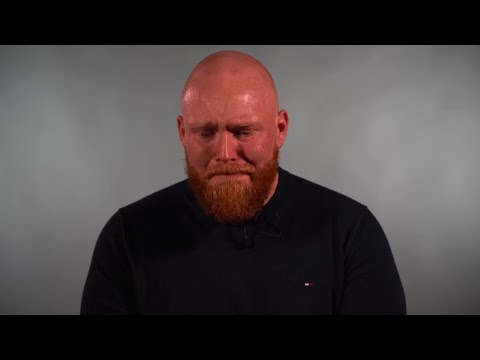
You know that feeling when you wake up and the weight of the world sits on your chest? Yeah, that’s sadness creeping in.
Sometimes, it hits hard, like a wave crashing over you. Other times, it’s just a nagging little cloud hanging around.
Sadness can be tricky though. It’s not just about being bummed out. There’s so much more beneath the surface—like shadows hiding in corners, waiting for their moment to shine.
And let’s be honest, we all have those moments where things feel heavy. It’s okay to feel that way—it doesn’t mean you’re weak or broken.
So, let’s unpack this whole sadness thing together. I promise it’ll be worthwhile!
Understanding the Mental Disorders Behind Persistent Feelings of Sadness
You know those days when everything just feels heavy? Like you’re carrying around an invisible backpack filled with rocks? Persistent feelings of sadness can often signal deeper mental health issues. And understanding this can be super important for you or anyone feeling weighed down by emotions.
Depression is one of the most common culprits behind nagging sadness. It’s not just about having a bad day; it’s like a cloud that won’t lift no matter what you do. You might feel hopeless, lose interest in stuff you used to love, or just feel plain empty. Sometimes it sneaks up on you, and suddenly, you’re wondering why everything has lost its color.
Then there’s anxiety disorders. They can manifest as persistent worry, which is draining and tends to cast a shadow over your mood. It’s this constant feeling like something bad is going to happen, making even the smallest tasks seem monumental. You know how sometimes you might feel a pit in your stomach before doing something as normal as meeting friends? That’s anxiety at play.
Bipolar disorder is another area where sadness rears its head. This condition swings between emotional highs and lows. You could be on top of the world one moment and then suddenly drop into despair. It’s confusing and isolating, especially when friends don’t understand why you’re riding such emotional waves.
Adjustment disorders are also worth mentioning. When life throws curveballs—like losing a job or ending a relationship—you might find it hard to adjust. The sadness that follows these changes can be overwhelming at times, even if from the outside it looks like everyone else is coping well.
Sometimes it’s not even about specific disorders but rather really challenging life events or chronic stress that lead to prolonged sadness. Maybe you’ve lost someone close to you or gone through a rough patch at work—those situations can leave emotional scars that linger longer than you’d expect.
This doesn’t mean everyone feeling sad has a serious issue, but when those feelings drag on for weeks or months, it gets tricky! Recognizing those feelings early on can make all the difference in how things play out down the road.
If you’re grappling with sadness that’s tough to shake off, talking to someone—a friend or a professional—can help lift some of that weight. Sometimes simply sharing what you’re experiencing makes everything feel more manageable.
The thing is, trying to deal with ongoing sadness alone isn’t fun—or healthy—to put it mildly! There are people out there who want to support you through whatever you’re facing today.
Sadness is one of those emotions that, like, everyone feels at some point, right? But when it creeps in and sticks around, it can turn into something serious. You might feel this heavy blanket of gloom that, honestly, just doesn’t seem to lift. It’s like you’re walking around with a gray cloud over your head while everyone else seems to be basking in sunshine.
I remember a time when a friend of mine went through a tough breakup. It was one of those situations where they were super close to their partner—like sharing everything and planning out their future together. But when it ended? Oof. All that happiness flipped upside down. They started isolating themselves, pulling back from friends and family. We’d hang out sometimes, but it felt off; there was this distance I couldn’t bridge.
That’s the tricky part about sadness—it can cast shadows over everything you used to enjoy. Things that once brought joy can suddenly feel pointless or overwhelming. Going for coffee with friends? Not so fun anymore when you’re battling an internal storm. Even basic tasks become Herculean challenges. You might think: “why even bother?” It’s tough because people usually don’t see the struggles behind the surface.
Sometimes, these feelings are just temporary; life throws us curveballs and we bounce back—like spring flowers after winter’s frost! But when sadness lingers for weeks or months, it can start feeling like more than just a passing phase—it might be depression knocking on your door.
Let’s face it—it’s hard to talk about sadness openly without feeling judged or misunderstood. People often say things like “just cheer up” or “it’ll pass” as if those words are some magical fix-all solution! But hey! Sadness deserves acknowledgment too; it’s part of being human.
The thing is, allowing yourself to sit with those shadows of sadness can be really powerful. It’s okay to embrace how you feel instead of pushing it away or pretending everything’s fine when it’s not. That’s where healing begins—by recognizing the shadows you carry and understanding them better.
So yeah, if you or someone you know is struggling in the depths of sadness, don’t hesitate to reach out for help! There are folks who truly understand what you’re going through and can guide you towards brighter days ahead—whether that’s therapy or simply having those heart-to-hearts with people who care about you.
In moments like these where shadows feel overwhelming, remember: there’s light waiting at the end—and sometimes all we have to do is take that first step toward finding it together.