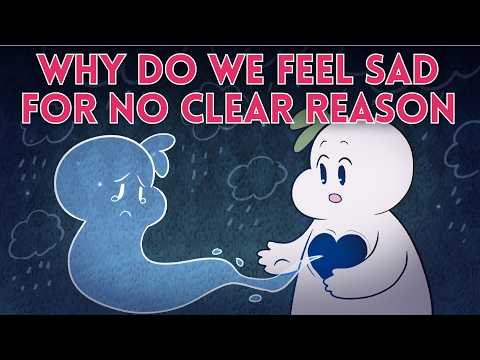
You know those days when you wake up and just feel… off? Yeah, like you’re carrying a cloud around.
Seriously, it’s weird. No obvious reason for it! You might have everything going great—job’s fine, friends are cool, but still? Sadness creeps in.
So, what’s up with that? Well, there’s more to your brain than just the obvious stuff. It’s a wild ride up there.
Let’s chat about what could be happening behind the scenes. A little psychology can shed some light on those mysterious feelings that pop up uninvited.
Understanding Unexplained Sadness: Common Causes and Insights
Feeling that wave of sadness outta nowhere can be, well, confusing. It’s like you’re watching a movie that suddenly flips from a comedy to a drama without warning. You’re sitting there like, “What just happened?” Sometimes, we don’t even know why we’re feeling this way, and that’s totally okay. Let’s break down some common causes of this unexplained sadness and what insights psychology has to offer.
1. Chemical Imbalances: Our brains are basically like complex machines with lots of moving parts. When the chemicals that help regulate our mood get out of whack—like serotonin or dopamine—it can lead to feelings of sadness. You could be doing all the right things but still feel off because your brain just needs a little tune-up.
2. Stress and Anxiety: Ever notice how stress hangs around like an unwanted guest? It can stick with you long after the stressful event is over. If you’ve been feeling anxious about work or relationships, those feelings can manifest as general sadness later on. Stress is sneaky; it doesn’t always show up screaming but instead whispers in the background until you’re suddenly feeling blue.
3. Unresolved Issues: Sometimes we think we’ve dealt with certain issues, but deep down, they’re still lurking. Maybe it’s something from your past—family dynamics, a breakup, or even an old friendship gone wrong—that keeps rearing its head at unexpected moments. Processing these unresolved feelings can help lift some of that fog.
4. Seasonal Changes: You know how some people can get more down during winter months? That’s not just in their heads! Seasonal Affective Disorder (SAD) affects many folks with changes in sunlight and shorter days leading to lower energy levels and mood shifts. If you find yourself feeling sad when it’s dark outside for too long, you might wanna explore ways to bring more light into your life.
5. Lack of Connection: We’re social creatures, right? If you’re isolated or feeling disconnected from friends or family, it can weigh heavy on your heart without you even realizing it sometimes. Reaching out—even if it’s just sending a text—can make a big difference in lifting your mood.
You ever have those days where you think everything’s fine and then suddenly feel like crying over nothing? I remember one day sitting on my couch watching cartoons (yeah, adulting) when this wave hit me outta nowhere! I couldn’t figure it out—I had a decent job and supportive friends—but there I was, feeling blue as all get-out for no clear reason.
It might help to jot down your feelings when they pop up; sometimes seeing them on paper makes them less overwhelming. And reaching out for support isn’t weakness; it shows real strength because facing difficult emotions together makes the load lighter.
If this feeling persists or starts interfering with daily life—like keeping you from going to work or hanging with friends—it may be worth chatting with someone who gets it: like a therapist or counselor who can help untangle those emotions and point towards healing paths that fit for you.
Your journey through unexplained sadness doesn’t have to stay clouded in mystery forever; there’s always hope and ways to find clarity again!
Understanding Unexplained Sadness: What It’s Called and How to Cope
Feeling sad without any apparent reason can be really confusing, right? You’re just going about your day and then it hits—this fog of sadness that seems to come out of nowhere. This feeling can be unsettling, and knowing what’s behind it is important.
First up, let’s talk about what this unexplained sadness might be called. Often, people refer to this as **“depression”** or **“dysthymia.”** But not everyone who feels sad has clinical depression. Sometimes, it’s just a temporary mood dip or what’s known as **»situational depression.»** Basically, you’re experiencing sadness due to something happening in your life, even if it’s not obvious.
But then there are those times when you’re not sure what’s causing the blues. Emotional regulation plays a big role here. This is our ability to manage and respond to emotional experiences. And sometimes, our brains just get overwhelmed by stressors we aren’t even fully aware of. You know how you can feel tired but you can’t put your finger on why? Same idea!
Let’s chat about some reasons why you might feel this way:
- Biological factors: Hormones and neurotransmitters are huge players in how we feel. Ever notice mood swings during your period? Yep, hormones at work.
- Environmental triggers: Sometimes changes like moving places or starting a new job can spark feelings that linger even after the change settles.
- Life transitions: Major life events—good or bad—like graduating, losing a job, or even having a baby can stir up emotions unexpectedly.
- Cognitive patterns: Ways of thinking can impact your feelings too. If you often dwell on negative thoughts or past regrets, that could lead to feelings of sadness.
Coping with unexplained sadness can feel overwhelming at times. One thing you might want to consider is talking about it with someone you trust—a friend, family member, or counselor. Just saying out loud what you’re feeling can sometimes help lift that heavy weight.
Another thing is **practicing self-care**. Yeah, I know—it sounds cliché! But seriously! Engaging in activities that make you happy or relaxed helps a ton. Whether it’s going for walks in nature, listening to music (that one song that lifts you up!), or doing some art—you follow me?
Mindfulness practices like meditation also work wonders for some folks. They help ground you and bring awareness to your thoughts and feelings without judgment.
If you’ve been riding this wave of unexplained sadness for a while now without relief—maybe seek out professional help? Therapists are pros at helping folks navigate these murky waters.
To sum it all up: Feeling sad without an obvious cause isn’t uncommon and doesn’t make you less valid in how you’re feeling! Understanding the different factors behind those blues is key to coping with them effectively. So take care of yourself; your emotions matter!
Understanding Sadness: Insights from Psychology on Emotions and Mental Health
Understanding sadness can sometimes feel like trying to catch smoke with your bare hands. It’s slippery, often there without a clear reason, and can be pretty overwhelming. You might wake up one day and just feel… off. Here’s the thing: you’re definitely not alone in that experience.
Sadness is one of those natural emotions we all deal with, even if it often feels uncomfortable. From a psychological standpoint, it’s important to recognize that sadness serves a purpose. It can signal that something in our lives needs attention—like you might be stressed about work, or just feeling disconnected from friends.
Feeling sad for no reason is also more common than you think. Sometimes it seems like there’s no trigger at all. This can happen due to various factors like hormonal changes, seasonal shifts, or even just the stress of daily life piling up on your shoulders. It can start as a low hum in the background and grow into something heavier.
Here are some key points to consider:
And look, some days you just don’t feel great for no apparent reason at all! Maybe it was the weather or something random that happened earlier in the week; whatever it is, it stinks when those feelings come crashing down on you.
I remember talking to a friend who suddenly felt an overwhelming sense of sadness during what she thought was her happiest time—planning her wedding! She couldn’t pinpoint why she felt this way and struggled with guilt for not being ecstatic all the time. The truth? Even joyous moments can sometimes bring about unexpected feelings.
Finding ways to cope with sadness is key. Things like talking about how you feel with someone who gets it can help lighten the mood significantly; journaling your thoughts may also be beneficial—it’s more than just putting pen to paper; it’s about processing what you’re experiencing inside.
In therapy settings, professionals often utilize approaches like Cognitive Behavioral Therapy (CBT) which helps reframe negative thoughts and emotions into something more manageable. It’s not always easy work but definitely worth exploring if this resonates with you.
In essence? Sadness is part of being human—it doesn’t mean there’s something wrong with you. Acknowledging it allows for healing and growth, so next time those blues hit outta nowhere just remember: **it’s okay** not to be okay sometimes!
You know those days when you wake up feeling like a rain cloud is just hovering over you? Everything seems fine on the outside—maybe even great—but inside, there’s this heavy, fuzzy feeling that you can’t quite shake off. It’s confusing, right? I mean, like, why do we sometimes feel sad for no clear reason?
Well, psychology has some insights that might help make sense of this emotional fog. It turns out that our minds are pretty complex and can get tangled up in feelings without a straightforward explanation. Stressful experiences or unresolved issues can lurk in the shadows of your mind and suddenly pop up when you least expect it.
For instance, my friend Jen once shared an experience that really stuck with me. She was doing well at work and had a fantastic weekend planned—but that Monday morning hit her hard. She felt flooded with sadness and couldn’t pinpoint why. After chatting about it, she realized she had been suppressing feelings from her past that needed attention. Simply recognizing those emotions helped her a ton.
Another thing to consider is our internal dialogue. Sometimes we’re way too hard on ourselves, thinking we need to be happy all the time or comparing our lives to others’. This pressure can create an emotional rollercoaster where sadness sneaks in uninvited.
And hey, don’t forget about the body’s chemistry! Hormones play their part too—especially during those times of the month for many people or even during seasonal changes when sunlight is lacking.
The bottom line is that it’s completely normal to have days filled with inexplicable sadness. Understanding this can actually help ease some of the weight you’re carrying. You’re not alone in this; sometimes acknowledging those feelings, even if they don’t seem justified at first glance, is the best step toward feeling lighter again. So next time you find yourself feeling down without a clear cause, remember it’s okay—it doesn’t always have to make sense right away. You’re human, after all!