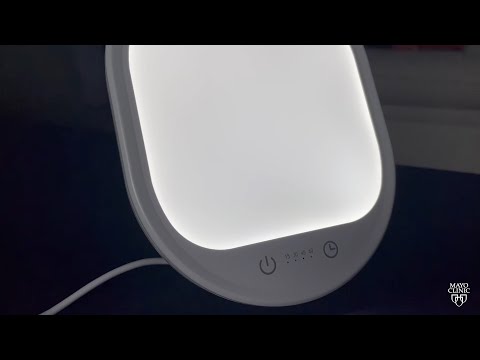
So, let’s talk about light therapy. You know, that thing where you sit in front of a bright lamp and suddenly feel less like a human potato? Yeah, it’s a real deal.
Imagine it’s winter. Grey skies everywhere. You wake up, and the sun has taken a vacation. Been there, done that, right? It kinda messes with your mood.
But what if I told you that shining some bright light on yourself could actually lift your spirits? Sounds too simple to be true, huh?
Trust me, there’s science behind it. Light therapy can be a game changer for mental health.
So grab your favorite drink and let’s dig into how this bright idea can help you feel a lot better!
Exploring the Effectiveness of Light Therapy for Mental Health: Does It Really Work?
Alright, let’s talk about light therapy and how it can really help with mental health issues. You might have heard of it before, especially when winter rolls around and the days get all dark and dreary. So, does it actually work? Well, buckle up because we’re diving into the details!
Light therapy involves using a special kind of light box that mimics natural sunlight. It’s mostly used for treating Seasonal Affective Disorder (SAD), which is that funk some people get when there’s not enough sunlight. You know how sometimes you just feel kinda blah when it’s cloudy for days on end? That’s what SAD feels like for a lot of folks.
When you sit in front of this light box, usually for about 20 to 30 minutes each day, it can help adjust your body’s internal clock. This is super important because a lot of our mood is tied to how much light we get. The light helps stimulate serotonin production, which is a neurotransmitter that keeps our mood stable. So yeah, getting that extra light can totally lift your spirits.
But wait—it’s not just for SAD! Some studies show that light therapy might also be helpful for other conditions like depression and insomnia. For example:
- General Depression: Some research suggests that even people without SAD can benefit from light exposure to help manage their depressive symptoms.
- Insomnia: If you struggle with sleep issues, using light therapy in the morning can help regulate your sleep patterns.
And here’s something interesting: the effectiveness really depends on how consistent you are with it. If you’re just dabbling with it now and then, you might not see much change. It’s kinda like going to the gym once in a while and expecting six-pack abs right away!
Of course, it’s crucial to talk with a healthcare provider before starting any new treatment—just to make sure it’s right for you. Not every type of depression or anxiety responds to light therapy, so having that chat is key.
Now, here’s a little story: I know someone who had been feeling really low during winter months—like dragging through mud kind of low. After trying out light therapy consistently every morning before work for just a few weeks, they started noticing actual changes in their mood! They felt more energized and less irritable overall. It was pretty wild seeing the difference.
However, not everyone experiences miraculous results from this treatment; some folks might feel no change at all or have side effects like headaches or eye strain (but those are usually mild).
So does it really work? For many people dealing with seasonal blues or other forms of depression—you bet! But remember: it’s not like flipping a switch; it’s part of an overall strategy combined with other treatments or lifestyle changes.
In summary:
- Light therapy mimics natural sunlight, helps increase serotonin levels.
- Effective for SAD, but also shows promise for general depression and insomnia.
- Consistency is key; daily sessions produce better results.
- Always consult with a healthcare professional before diving into treatment.
So there you have it! Light therapy may be one bright spot in lifting your mental wellbeing—it could be worth shining some more attention on!
Exploring the Effects of Light Therapy on Brain Function and Mental Health
Light therapy is becoming a pretty popular way to tackle mood issues, especially when it comes to depression and seasonal affective disorder (SAD). Basically, what happens is you sit in front of a special light box that mimics natural sunlight. This exposure can help your brain function better and boost your mental health.
How does this work, you ask? Well, it’s all about the way light affects our brains. When you expose yourself to this bright light, it can help regulate sleep patterns by influencing your body’s circadian rhythm. You know that internal clock we all have? It tells our bodies when to sleep and when to wake up. By helping your body recognize the difference between day and night, light therapy can lead to better sleep quality, which is super important for mental well-being.
Now, let’s talk about serotonin. This is a neurotransmitter that plays a big role in mood regulation. More sunlight exposure can stimulate serotonin production in your brain. Think of serotonin as that feel-good chemical that keeps you upbeat. So, if you boost these levels with light therapy, you might just find yourself feeling more positive and energetic during those gloomy months.
But hey, it’s not just about winter blues; light therapy can help with other conditions too. Some studies suggest it might benefit people dealing with general anxiety or even some forms of bipolar disorder. The research isn’t exhaustive yet, but there’s enough evidence pointing towards its potential impact on emotional regulation.
Of course, like anything else, it’s not one-size-fits-all. Some people may experience side effects like headaches or eye strain from the bright lights—kinda ironic, right? So if you’re thinking about giving it a go, it’s always good to chat with a healthcare professional first.
Now let me throw in an anecdote for fun: A friend of mine struggled every winter with feeling down and sluggish—totally relatable stuff! After trying out light therapy for just a few weeks last year, she said her mood lifted significantly! She felt more motivated to get up and do things instead of hibernating under blankets all day. Seriously made such a difference for her.
In summary:
- Light exposure helps regulate circadian rhythms, leading to improved sleep.
- Boosts serotonin production, which can enhance mood.
- May be beneficial for conditions like anxiety or bipolar disorder.
- Side effects are possible; always consult before starting treatment.
So yeah, light therapy isn’t some magic bullet or anything. But if you’re looking for ways to uplift your spirits or improve mental well-being during those darker times of the year—it could be worth checking out! Just remember: always have that chat with someone who knows their stuff so you can make informed choices about what works best for you!
Unlocking Calm: How Red Light Therapy Can Help Alleviate Anxiety
Red light therapy is like this cool tool, you know? People are using it to help with all sorts of things, and one area that’s been catching attention is anxiety. It’s a pretty interesting topic! So basically, red light therapy involves exposure to low-level wavelengths of red light. The kind you’d see in those fancy therapy booths or even some home devices.
You might be wondering how it actually works. Well, the idea is that this specific wavelength can penetrate your skin and potentially affect your cells at a deeper level. Some studies suggest that it may help reduce inflammation and promote healing in tissues. That’s pretty neat, huh?
Now, here are a few key points about how red light therapy might play a role in alleviating anxiety:
So I remember my friend Sarah who was super anxious about her work presentations. She started using a red light device at home for just ten minutes before bed. Over time, she noticed she was sleeping better and feeling slightly more relaxed about those dreaded talks at work.
Still, the research on this isn’t huge yet. While some early studies are promising, they often don’t have many participants or long-term follow-ups. So while it isn’t a magic solution for anxiety (trust me on that), it could be one piece of the puzzle alongside other methods like therapy or medication.
The takeaway here? Red light therapy might offer some benefits worth exploring if you’re dealing with anxiety or just looking for ways to lift your spirits. But always remember: talk with a healthcare provider before jumping into new treatments! They can help guide you through what’s best for your unique situation.
In summary, while there’s more research needed before we completely understand its full potential for mental health, giving red light therapy a try along with traditional approaches certainly isn’t out of the question. Stay curious and take care!
You know, I’ve had those days when the clouds just seem to hang around forever. It’s like the sun got lost or something, and it kinda sucks the energy right out of you. I remember a winter last year when I felt so low, even my favorite shows didn’t make me laugh anymore. Then a friend mentioned light therapy, and honestly, I was skeptical at first. Like, how could sitting under a lamp really change anything? But desperate times call for desperate measures, right?
So here’s the thing about light therapy—it’s basically just exposing yourself to bright light that mimics natural sunlight. It sounds simple, but it impacts your mood quite a bit. You see, our bodies have this internal clock called a circadian rhythm that helps regulate sleep and mood based on light exposure. When you’re low on sunlight—like during those dark winter months—your brain can get all outta whack. This is where light therapy comes in handy.
After giving it a shot for a couple of weeks, I noticed something shift in my mood. Wasn’t anything dramatic at first but more like a gradual clearing of clouds overhead. I laughed more easily and felt more motivated to tackle my day-to-day stuff—even doing laundry felt less like climbing Mount Everest! And let me tell you, those little victories really added up.
But it’s not just me—research shows that many people dealing with Seasonal Affective Disorder (SAD) have found relief with light therapy too. Some folks even use it for general mood enhancement or to help with sleep disorders. The cool part? It’s non-invasive and doesn’t come with the side effects you might find with some meds.
Of course, it’s not an instant fix or a replacement for other forms of treatment like therapy or medication if you need them; but adding this element can be like giving your spirit an extra lift on those gloomy days. It’s kind of refreshing how simple things can sometimes make such a big difference in mental wellbeing.
So yeah, if you’re feeling down these days because of the weather or whatever else is going on—maybe give light therapy a shot? Who knows? You might find that little spark again!