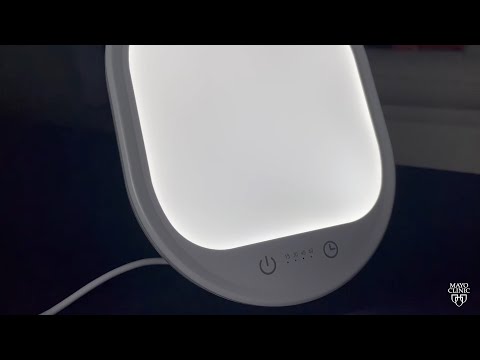
Hey! You know those gray, gloomy days when you just feel… blah? Yeah, me too. It’s like the sun just forgot to show up.
But what if I told you there’s a way to brighten your mood when the skies are all overcast? Seriously, it’s called sad light therapy.
It sounds a bit funky, right? I mean, who’d have thought that sitting in front of a bright light could do wonders for your mental health?
Let’s chat about it! We’ll dig into what this therapy thing is all about and whether it might help you or someone you know feel a little less down in the dumps. Sound good?
Maximize Your Mood: Ideal Daily Usage Time for SAD Lamps
Seasonal Affective Disorder (SAD) can really mess with your mood, especially during those long, dreary winters. You know the feeling when the sun seems to vanish for months? Yeah, that’s when a SAD lamp can come into play. You might be wondering when’s the best time to use these bright buddies. Let’s break it down.
Using a SAD lamp is all about timing and consistency. Most people find that **mornings** are prime time. Here’s why: after sleeping through dark hours, your body craves that bright light to kickstart everything—the mood, energy levels, and even your internal clock.
So, what’s the ideal usage? Well, researchers suggest around **20 to 30 minutes** each morning is super effective. You can sit in front of it while sipping coffee or scrolling through your phone—multi-tasking at its finest! Just make sure it’s about **16 to 24 inches** away from you.
But wait, if mornings don’t work for your schedule, don’t stress too much! Some people benefit from early afternoon sessions too. The key thing is finding a routine that fits into your day-to-day life. Consistency is huge here; using it regularly boosts its effectiveness.
Another point worth mentioning is brightness level. Look for lamps that offer at least **10,000 lux** which mimics natural sunlight without UV rays damaging your skin or eyes.
In summary:
- Morning Usage: Aim for 20-30 minutes daily.
- Distance: Keep it 16-24 inches away from you.
- Brightness: Choose lamps with 10,000 lux.
You might be curious about any side effects too—some folks experience headaches or eye strain at first. That’s usually just your body adjusting to the light intensity. If anything feels off though? Definitely chat with a health pro!
Just remember: incorporating this morning ritual could help lift those winter blues and get you back on track toward brighter days!
Exploring Light Therapy: A Natural Approach to Alleviating Depression and Anxiety
Light therapy has been making waves as a natural way to help with depression and anxiety, especially for folks who deal with seasonal affective disorder (SAD). You know how some days feel drab and gray? Well, the lack of sunlight can really mess with our mood and energy levels. So, light therapy basically steps in to fill that gap.
The essence of light therapy is quite simple. A special lamp or device emits bright light that mimics natural sunlight. You typically sit in front of this device for about 20 to 30 minutes a day, preferably in the morning. This can help kickstart your body’s internal clock and boost serotonin levels, which can lift your mood. Pretty neat, huh?
But let’s talk about what happens during those sessions. When the bright light hits your eyes, it signals your brain to produce more serotonin—a neurotransmitter that plays a key role in regulating mood. This is especially helpful for people whose symptoms flare up during those long winter months when daylight is limited.
You might be wondering if it actually works, right? Well, research shows that it can be effective for many people dealing with SAD as well as general depression and anxiety disorders. Some studies suggest it can improve sleep patterns too! Imagine waking up feeling refreshed instead of groggy—that’s something we all crave.
Now, while light therapy isn’t a magic bullet—it doesn’t replace traditional treatments like therapy or medication—it can be a solid part of an overall mental health care plan. Many people find that combining it with other treatments leads to better outcomes.
But before you hop on the light therapy train, there are some things to consider:
- Talk to a professional: Check in with your therapist or doctor first. They can help you decide if it’s right for you.
- Quality matters: Make sure you’re using a lamp that’s specifically designed for light therapy; regular lamps won’t cut it.
- Timing is key: Use the light at the right time—usually in the morning—to get the most benefits.
- Watch out for side effects: Some people might experience headaches or eye strain, so pay attention to how you feel.
I remember talking to a friend who tried light therapy after feeling really down during winter months. She’d wake up in darkness and go home in darkness—just a real bummer! After using her light box every morning for a few weeks, she said she felt like someone had flipped on her internal switch again. It was awesome seeing her get back into crafts and even going outside more because she felt energized!
In summary, light therapy could be an effective tool in beating back feelings of depression and anxiety—especially if seasonal changes are messing with your headspace. Just keep in mind it’s not one-size-fits-all; what works wonders for one person may not do much for another. Listening to your own needs while working with a knowledgeable professional makes all the difference!
Revolutionizing Mood: How Red Light Therapy Can Help Alleviate Depression and Anxiety
So, let’s chat about red light therapy and how it might help with mood issues like depression and anxiety. You may have heard of it before, especially in those wellness circles, but what’s the deal?
**Red light therapy** uses specific wavelengths of light—like the red or near-infrared spectrum—to stimulate cells and tissues in your body. It’s a non-invasive treatment that some people believe can help improve mood by affecting how our brains function. Sounds intriguing, right?
There are a couple of ways this whole thing is thought to work:
- Boosting serotonin levels: Serotonin is that “feel-good” chemical in your brain. Some studies suggest red light exposure may help提升 serotonin production. More serotonin could mean less anxiety and a brighter mood.
- Reducing inflammation: Inflammation can seriously mess with your mental health. By reducing inflammation in the brain, red light therapy might create a calmer environment for your thoughts and feelings.
- Improving sleep: Light exposure can influence your sleep cycle. Better sleep often leads to better mood since you wake up feeling more refreshed and ready to take on the day.
But here’s the catch: while researchers are still looking into all these benefits, it’s important to know that results can vary from person to person. What works wonders for one might not even budge the needle for another.
I remember chatting with a friend who struggled with seasonal affective disorder (SAD). She felt super low during winter when daylight is scarce. After trying out bright white light therapy (which is similar but not exactly the same), she noticed some improvement! But then she also tried red light therapy later and found it gave her an extra boost on those gloomy days—more energy and less foggy feelings.
Many people find comfort in combining therapies too—like using red light along with traditional treatments like talk therapy or medications prescribed by doctors.
Now, don’t think this means you should toss out other forms of support if you’re battling depression or anxiety. Seriously! It should be seen as another potential tool in your toolkit rather than a standalone miracle cure.
So if you’re curious about this therapy, chat with your healthcare provider first before diving in completely. They’ll give you personalized advice, which is super important!
In sum, while research keeps evolving on how effective red light therapy truly is for mental health, many find it shows promise as part of a broader approach to uplifting their mood—especially during those darker months when everything feels heavier than normal.
You know those days when the clouds seem to take over the sky, and everything just feels a bit heavier? I remember a winter not too long ago when it felt like I was living in a perpetual gray. The lack of sunlight really got to me, and honestly, it was hard to shake off that low mood. That’s when I first heard about sad light therapy.
So, what’s that? Well, it’s basically this therapy where you sit in front of a special kind of light that mimics natural sunlight. The idea is pretty simple: by soaking up those bright rays, you can help boost your mood, especially during those gloomy months when seasonal affective disorder (SAD) tends to hit hard. And let me tell you… it kind of makes sense!
When we don’t get enough natural light, our bodies can go out of whack. Things like serotonin levels and circadian rhythms can end up being affected. You might feel more moody or even sluggish. But with a little light therapy, some say they’ve noticed an improvement in their overall mental health. You might find yourself feeling a bit more energized or less down in the dumps.
One friend even shared their experience with me—I was pretty amazed! They started using one of those sad lamps every morning for about 20 minutes while sipping coffee and scrolling through social media—nothing too intense. Over time, they felt noticeably different; they actually looked forward to those moments instead of dreading the day ahead.
But here’s the thing: while some people rave about it, it isn’t a one-size-fits-all solution. It’s not like flipping a switch and suddenly all your worries disappear—trust me on that. It can be very helpful for some but might not work for everyone. Plus, if you have certain conditions like bipolar disorder or eye issues, it’s definitely wise to chat with someone who knows their stuff before diving in headfirst.
At the end of the day, sad light therapy could be worth considering if you’re struggling with those winter blues or just feeling down more often than you’d like. It might be that little boost you need to help bring some brightness back into your life—no pun intended! So if you’re curious about it and think it could help you feel better emotionally during dreary days—the worst that happens is you add an extra lamp to your living room décor!