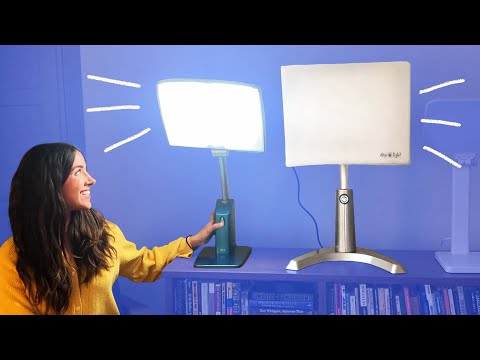
You know those gloomy, gray days when you feel like a cloud is hovering over you? Yeah, we’ve all been there. It’s like, one minute everything’s fine, and the next, you’re stuck in this funk.
That’s where these sad light therapy lamps come into play. They’re not just fancy gadgets; they can seriously help lift your mood. Imagine basking in a sunny glow, even when it’s chilly and dark outside.
Sounds pretty nice, right? Let’s chat about how these little lights might just brighten up your mental health game.
Exploring the Effectiveness of Light Therapy for Mental Health Improvement
Light therapy, especially when it comes to those sad light therapy lamps, has gained traction in the mental health world. You know how sometimes winter feels like a never-ending cycle of gloom? Well, this is where light therapy steps in. It’s a treatment that mainly helps with Seasonal Affective Disorder (SAD), but it can have benefits for other conditions too.
So, the basic idea is pretty straightforward: these lamps produce bright light that mimics natural sunlight. Basically, you sit by one for about 20 to 30 minutes each day. The thing is, the bright light may help regulate your body’s sleep-wake cycle and boost your mood by influencing brain chemicals. You get that extra dose of sunshine without actually having to go outside.
Many people find this helpful during those cold months when sunny days are scarce. Picture someone who usually loves being outdoors feeling down and low-energy because of the weather. Then they start using a light therapy lamp; it’s like flipping a switch! They begin to feel more energized and less moody.
But how effective is it really? Here’s a breakdown:
- Research-Backed: Studies have shown that for many individuals with SAD, light therapy can reduce symptoms effectively—sometimes as quickly as a couple of weeks.
- Non-Invasive: It’s generally considered safe and non-invasive compared to some medications.
- Accessible: You can use these lamps at home while you go about your morning routine or enjoy your coffee.
A friend told me about their experience using one of those SAD lamps. They were struggling during winter months and felt stuck in a fog. After incorporating light therapy into their daily routine, they noticed a shift—more focus at work, less irritability, and even better sleep! That shift didn’t just lift their spirits; it transformed their entire outlook on those dreary winter days.
Now let’s talk about usage because that’s crucial if you want to feel those benefits. It’s not just about having the lamp; it’s also about **using it correctly**. You want a lamp that provides *at least* 10,000 lux (that’s the brightness level), ideally positioned around eye level but does not shine directly into your eyes.
While most people tolerate it well, there are some precautions you should consider:
- Eye Health: If you’ve got eye conditions or are taking certain medications that increase sensitivity to light, definitely check in with your doc first.
- Timing Matters: Usually, morning use works best since it helps kickstart your day right.
In summary, light therapy has shown real promise for improving mood and energy levels—especially if you’re battling seasonal blues or struggle with mood fluctuations throughout the year. It’s not an absolute fix for everyone; some might find more success when combined with other treatments like counseling or medication.
Don’t forget though: **everyone’s different**! It might take some trial and error before finding what works best for you personally. But if you’re feeling like winter has taken over your mental space, maybe it’s worth giving one of these lamps a shot!
Transform Your Space: The Best Lighting for Boosting Mental Health and Well-Being
When you think about your space, what comes to mind? Is it cozy, bright, or maybe a bit too dark? Well, lighting plays a huge role in how we feel and can even impact our mental health. Seriously! The way we light up our environment can enhance moods, boost energy levels, and help create a sense of calm.
First off, let’s talk about **natural light**. Sunlight is like nature’s antidepressant. It helps your body produce vitamin D, which is linked to mood improvement. Exposing yourself to natural light during the day can reduce feelings of sadness. Think about it—how do you feel on a sunny day compared to when it’s gloomy outside? A lot of people experience what’s known as Seasonal Affective Disorder (SAD) during the darker months. You know that feeling you get when winter drags on and the sun barely peeks out? That’s real!
Now, this is where SAD light therapy lamps come in. They mimic natural sunlight and provide exposure that your body craves during those long winter months or cloudy days. With these lamps, you can boost your mood right from home. It’s like flipping a switch on your well-being!
Also, consider the color temperature of your lighting. Warm colors (think soft yellows or oranges) create a cozy vibe—perfect for relaxation. On the flip side, cooler colors (like blues or whites) might energize you and keep you alert. Try playing around with different bulbs in different rooms based on how they make you feel.
Here are some key points to think about:
- Natural light benefits: Helps reduce feelings of sadness and boosts vitamin D.
- SAD lamps: Great for combating seasonal blues by mimicking sunlight.
- Color temperature: Warm lights for cozy spaces and cool lights for active areas.
And remember how I mentioned cozy vibes? Well-placed lighting can transform any space into a sanctuary where you feel safe and relaxed. Imagine coming home after a long day and stepping into a room bathed in warm light—it just feels right!
Don’t forget about layering your lights too! Combining overhead lights with floor lamps and table lamps creates depth and makes spaces feel more inviting. It gives off that “I’ve got my life together” aura without even trying too hard.
So yeah, whether it’s soaking up sunshine or using those SAD lamps when the clouds roll in, paying attention to how lighting affects your mental health can really make a difference in how you feel every day. Your space should be your haven!
How Light Therapy Can Alleviate Depression and Anxiety: Benefits, Techniques, and Tips
Light therapy, often called «bright light therapy,» can be a real game changer for folks dealing with depression and anxiety, especially during those dreary winter months. You know how some people just seem to feel *blah* when it’s dark and cloudy outside? That’s not just in their head—lack of natural sunlight can seriously affect mood. So let’s break down how this works.
What is Light Therapy?
At its core, light therapy involves exposing yourself to a bright light that mimics natural daylight. It’s usually done with a special lamp that emits strong, white light. Think of it like getting a boost of sunshine when the weather outside is anything but sunny.
Why Does It Work?
The science behind this is kind of cool. Our brains produce a chemical called serotonin that helps regulate mood. Less sunlight means less serotonin, which can lead to feelings of sadness or anxiety. Light therapy aims to help increase serotonin levels again, basically tricking your brain into thinking it’s getting more natural sunlight.
Benefits You Might See
You might wonder if light therapy actually works. Well, many studies suggest it can provide significant relief from symptoms of depression and anxiety. Here are some benefits you might experience:
- Improved mood: Many people report feeling happier after using light therapy.
- Increased energy levels: It might help you feel more awake and active.
- Better sleep quality: Some find that it regulates their sleep patterns, which is huge for overall mood.
- Easier concentration: With a lifted mood comes better focus and mental clarity.
How to Use Light Therapy
When it comes to techniques, the basic idea is pretty straightforward:
- Dose: Aim for about 20-30 minutes of exposure each day.
- Timing: Morning sessions tend to work best; this mimics the sun rising and helps set your circadian rhythm.
- Distance: You don’t have to sit right in front of the lamp; about two feet away usually does the trick!
- Avoid Looking Directly at the Light: Just let it wash over you while you do other things like reading or checking your phone.
So picture this: you’ve got your coffee in one hand and you’re reading a book under your bright light lamp—it kind of turns into a cozy little ritual.
Anecdote Time!
I remember talking with a friend who struggled with seasonal depression every winter—it was tough! She decided to give light therapy a shot one year and was pleasantly surprised by how much better she felt just after two weeks! She said waking up wasn’t such a struggle anymore because she was able to start her day on a brighter note—even if the weather outside was still dismal.
Things to Keep in Mind
Although light therapy seems beneficial for many people, it’s not one-size-fits-all. Here are some tips if you’re considering trying it out:
- Talk To A Professional: Before jumping in, consult with someone who knows mental health well—like a therapist or doctor—to find out if it’s right for you.
- Avoid Overdoing It: Too much exposure can lead to headaches or eye strain—definitely not what you’re aiming for!
- If You Have Eye Issues: Check with an eye doctor first; they’ll know best how this could interact with any existing conditions.
So there you have it—a deep dive into how bright lights could potentially brighten up not just your room but also your day-to-day mental health experience! It’s all about finding what works best for you amidst whatever struggle you’re facing.
You know how sometimes winter just seems to drag on forever? The days get shorter, it’s gray outside, and everything feels a bit heavy. I remember a friend telling me how she felt like a bear in hibernation—just wanting to curl up and sleep until spring. It’s easy to feel down when there’s so little sunlight around.
That’s where sad light therapy lamps come into play. These nifty devices can actually make a difference for folks dealing with seasonal affective disorder (SAD) or just general winter blues. The idea is pretty simple: they mimic natural sunlight, which can help pick up your mood by triggering brain chemicals related to happiness—a little boost when you need it the most.
Picture this: You wake up, and it’s still pitch black outside, but you flip on that lamp for about 20-30 minutes while you sip your coffee. It’s like sneaking in sunshine even when it’s cold and dreary outside! Seriously, it can be such a game changer. Many people say that after using the lamp regularly, they start feeling more energized and less moody. They notice they’re not as quick to snap at their loved ones or feel like a heavy blanket is draped over them all day.
But there’s more to it than just flipping a switch. This kind of therapy isn’t a replacement for professional treatment if someone is really struggling with their mental health—like clinical depression or anxiety—but it can be an awesome complement. Some folks combine light therapy with other methods, like talk therapy or medication if needed. It’s about finding what works best for you.
And let’s be real; not everyone will have the same response to these lamps either. For some people, it might take time before they notice any difference at all—and that’s okay! We’re all wired differently, right? That’s why chatting with a mental health professional about these options can really help guide the way.
So here’s the thing: When life gets dark and gloomy, maybe consider giving one of those lamps a shot? You might find that little spark of warmth shining through. It’s like inviting sunshine into your living room on those gray days—you never know how much brighter things can feel until you try!