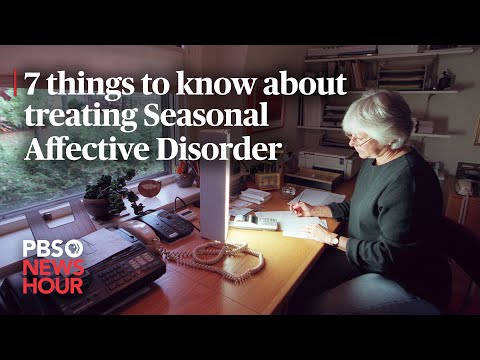
You know those days when the sky’s gray, and everything feels kind of heavy? Yeah, those days can be rough.
It’s like the weather has its own mood, right? And sometimes, those sad lights can creep into your mind. It’s not just about feeling down; it goes deeper than that.
We often don’t realize how much our surroundings affect how we feel. Seriously. Light and darkness play a huge role in our emotions and mental health.
So let’s chat about that emotional weight we carry when things get dim outside. You might find it hits home in ways you didn’t expect!
Understanding SAD Light Therapy: How It Alleviates Seasonal Affective Disorder
Seasonal Affective Disorder, or SAD, is no joke. It can really hit hard when the days get shorter and the weather turns gray. You might feel more tired, down, or anxious during winter months. That’s where light therapy comes in. Basically, it’s like giving your brain a little boost of sunshine when nature isn’t delivering.
So what exactly is SAD light therapy? Well, it involves sitting in front of a special light box that mimics natural sunlight. This bright light can help brighten your mood by stimulating the production of serotonin—a chemical in your brain that helps regulate mood. Pretty cool, huh?
Now, here are some key points about how it works and why it matters:
- Timing is Crucial: The best time to use these lights is in the morning. Just 20 to 30 minutes can make a difference! Starting your day with that burst of light signals your body that it’s time to wake up and be alert.
- Intensity Levels: These therapy lights are way brighter than regular indoor lighting—usually around 10,000 lux. That brightness helps mimic natural sunlight more closely.
- No UV Rays: It’s important to note that these lights don’t emit harmful UV rays like actual sunlight does. So you can enjoy the benefits without risking skin damage.
- Consistency is Key: Using the light regularly is important for seeing results. It’s kind of like working out; you won’t see changes if you only do it once in a while!
- Not a Cure-All: Light therapy might work wonders for many people, but it isn’t a magical fix for everyone dealing with SAD. Sometimes combining it with counseling or medication can be more effective.
Let me share an example: A friend of mine struggled each winter with feelings of deep sadness and fatigue. It wasn’t until she started using a light box every morning that things began to shift for her. It was like flipping a switch! Suddenly she had more energy and felt less hopeless about those dreary days.
Now, just remember—it’s not just about having the light on in your room while scrolling through Instagram or doing chores; you need to sit by the box at a comfortable distance and really soak up its effects.
In summary, SAD light therapy can bring some much-needed brightness during those long winter months when everything seems so gray and heavy. If you think you’re dealing with seasonal blues, chatting with a professional could help figure out if this approach might be right for you!
When Does Seasonal Affective Disorder (SAD) Typically Start: Understanding the Timeline and Symptoms
Seasonal Affective Disorder, or SAD, is one of those things that can sneak up on you, especially when the days get shorter and the weather turns chilly. It’s no joke; many people experience some pretty heavy emotional weights during fall and winter months. So, when does this commonly kick in?
Generally speaking, SAD usually shows up around late fall or early winter. You might notice symptoms starting to creep in as early as September or October, peaking around December and January. By the time spring rolls around—let’s say around March or April—most folks start feeling a bit more like themselves again.
Now, let’s talk symptoms because they can really vary from person to person. Here are some common signs you might spot:
- Feeling down: This isn’t just a case of the blues; it can be a deep-rooted sadness.
- Fatigue: Like you’re moving through molasses? Yeah, that’s common.
- Sleep changes: You could feel like sleeping all day or struggle to catch Z’s at night.
- Changes in appetite: Some people crave carbs like nobody’s business and pack on a few pounds.
- Lack of interest: Hobbies and activities that once brought joy may suddenly feel dull.
Imagine this: Sarah loved running outside in bright sunlight during summer. But come winter, she found herself dragging through her mornings, opting for extra layers of blankets instead of her running shoes. Her energy tanked—just like that.
This cycle can be so frustrating! And while it varies for everyone—some might notice symptoms as soon as daylight fades—others could have different experiences altogether.
What often helps is light therapy. Think about it—you’re getting sunshine vibes even when it’s gray outside! That light box mimics natural sunlight and can help combat those pesky symptoms by telling your brain that “Hey! It’s bright outside!”
But remember, if you’re feeling overwhelmed by these feelings or suspect you have SAD, talking to a mental health professional can really make a difference. They’ll know how to help navigate those tougher times and work with you on finding strategies that suit your situation best.
So yeah, keep an eye out during those darker months! Understanding when SAD typically starts—and recognizing its symptoms—can be super helpful in managing your mental well-being as the seasons change.
Optimal Vitamin D Dosage for Alleviating Seasonal Depression: A Comprehensive Guide
Seasonal depression, or Seasonal Affective Disorder (SAD), can really hit hard when the days get shorter and the sunlight seems to vanish. It’s like a cloud hanging over you, casting shadows on your mood. One way to help manage the emotional weight of this is by looking into vitamin D. Sunlight is one of our best sources of vitamin D, so when it disappears in winter, well, your body can feel its absence.
Now, about optimal vitamin D dosage for alleviating seasonal depression—there’s no one-size-fits-all answer. People vary so much based on their age, weight, skin tone, and even where they live! But generally speaking, many experts suggest aiming for a dosage between 600 to 2,000 International Units (IU) per day.
But wait—how do you know if you actually need more? You could consider getting your blood levels checked if you’re feeling particularly down or sluggish during those gloomy months. A blood test can tell you if you’re Vitamin D deficient, which means that any supplement needs to be tailored to your specific situation.
Here are some key points about vitamin D and SAD:
- Sun Exposure: The body produces vitamin D when skin is exposed to sunlight. In winter months or cloudy areas, this can be limited.
- Food Sources: Fatty fish like salmon and mackerel are great sources of vitamin D. Fortified foods like orange juice and cereals also help.
- SAD Symptoms: Feelings of sadness, lack of energy, difficulty concentrating—they all can improve with adequate vitamin D levels.
- Light Therapy: Some people combine vitamin supplements with light therapy devices that mimic natural sunlight. It’s worth exploring!
It’s like my friend Sarah who always felt a bit blue in wintertime. She started taking a daily supplement after realizing she wasn’t getting enough sun in Chicago’s long winters. For her? It made a noticeable difference! She felt a bit more energized and less weighed down by those cloudy days.
So remember: while there’s potential in using vitamin D to help with seasonal depression, it’s all about finding what works for you personally. And don’t forget that talking to someone—a professional or even just a buddy—can go hand in hand with these changes for better mental wellness!
You know those days when the sky is gray and everything just feels heavy? Like, even the sunlight seems to be dragging its feet. That vibe can really hit different, especially when you’re already dealing with mental health stuff. We often talk about bright lights—the ones that lift our spirits—but what about those sad lights? You’ve got to admit, they have a presence too.
I remember a time during a really tough winter. It felt like the sun had taken a vacation and forgot to send us postcards. Every day, I’d sit by my window, watching those dull gray skies hang over everything. It was like the world was wearing a thick blanket of sadness that I couldn’t shake off. That’s something many people experience when the weather changes or during certain seasons—it’s like an emotional weight pressing down.
With mental health, things can get complicated quickly. Sometimes we think sadness is just something we need to push away or fix. But honestly? It’s okay to acknowledge it. Sad lights might not be bright and cheery, but they can create space for reflection or empathy within ourselves and others. When you’re feeling low, there’s something oddly comforting about knowing you’re not alone in that heavy feeling.
Also, let’s consider how environment affects mood—efforts are made using light therapy for seasonal affective disorder (SAD). People sit under bright lamps mimicking sunshine to help lift their spirits during drab months. But what if we also embraced those sad lights? Maybe they remind us of vulnerability; they whisper that it’s okay to feel heavy sometimes.
And sure, while we want to aim towards brighter days ahead—because who doesn’t want more joy?—don’t underestimate the power of letting yourself feel what you feel in those moments of darkness or gloominess. It’s kind of like balancing out in your emotional life; learning to dance with both the light and the shadows can lead to understanding yourself better.
So yeah, next time those sad lights come creeping in, take a moment to sit with them instead of fighting them off immediately. They might teach you something you didn’t expect about your own heart and mind—and maybe help lighten that emotional load just a bit in the long run!