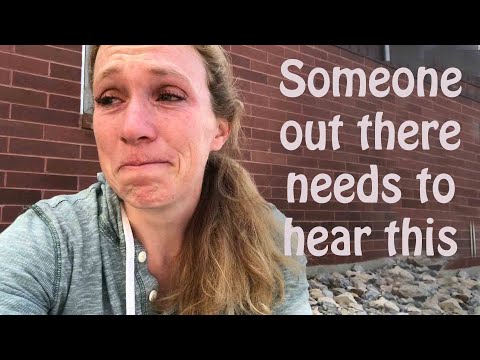
Hey! So, you know those months that just hit differently? Right? Like, they come with this heavy blanket of sadness that wraps around you. It’s not always clear why, but it’s like the world feels a bit dimmer.
Maybe it’s the weather getting colder, or the holidays stirring up old memories. Whatever it is, those feelings can really weigh you down. And hey, you’re not alone in this struggle.
I’ve been there too—when everything feels off, and even your favorite song seems a little flat. It’s tough to shake off that emotional weight. But here’s the thing: there are ways to navigate through those sad months!
So let’s chat about how to lighten that load a bit and make these tough times feel a little more manageable. Cool?
Understanding Seasonal Affective Disorder: Discover the Worst Months for SAD
Seasonal Affective Disorder, or SAD for short, is a type of depression that comes and goes with the seasons. You know those months when everything feels a bit heavier? Yeah, that’s what SAD can feel like. It usually kicks in during the fall and winter months, when daylight is scarce, and can disappear come spring.
So, let’s break it down a little. The worst months for folks dealing with SAD are often October through March. Here’s why:
- October: As we transition from warm sunny days to chillier nights, people start to sense that dark cloud looming over them. The days get shorter quickly.
- November: This month can hit hard; the leaves are gone, daylight savings has happened, and suddenly it feels like the sun dips behind the horizon around 4 PM. That lack of light can really mess with your mood.
- December: So many people think this month is all about festivities and cheer. But for those struggling with SAD, it can feel incredibly isolating even when everyone seems happy.
- January: This is like the peak month for SAD symptoms. The holiday hype fades away, leaving a lot of folks feeling low and uninspired as winter digs in its heels.
- February: Winter’s not over yet! Short days continue to take their toll on mental health as you just keep waiting for spring. Plus, Valentine’s Day might bring up feelings of loneliness if you’re not in a relationship.
- March: While some people might start seeing signs of spring emerge during this month, many still feel weighed down by the long winter they’ve endured.
The thing is, our bodies rely on sunlight to help regulate our mood through natural chemicals in our brain like serotonin. With less sunlight during these darker months, it’s totally normal to feel more tired and irritable than usual.
Now imagine someone named Jamie who always looks forward to summer—hiking trails and BBQs with friends—but struggles from October onwards until things warm up again. They might notice symptoms like low energy or lack of interest in activities they usually love.
If you or someone you know is feeling these weighty emotions during those months, don’t hesitate to chat with someone about it. There are treatments out there—like light therapy—that have helped many find relief.
Basic understanding goes a long way in recognizing how different seasons affect us emotionally! You follow me? Just remember: you’re not alone if you find those late autumn and winter months particularly tough.
Understanding Seasonal Affective Disorder: When Does SAD Finally Fade Away?
Seasonal Affective Disorder, or SAD, is that emotional rollercoaster some of us experience when the days get shorter and the weather turns dreary. You know those months when you feel like you just can’t shake off a low mood? That’s SAD creeping in. It’s not just the winter blues—it’s more intense and can seriously affect your day-to-day life.
So, when does this heavy feeling finally fade away? It really depends on a few factors. Let’s break it down:
Timing of Symptoms: Generally, folks hit hard with SAD start feeling the effects in fall or early winter as daylight diminishes. But for some, it can also occur in spring or summer, which is less common but still valid. As spring approaches and days get longer, many find their mood starts to lift—often around March or April.
Light Exposure: One major player in SAD is light—lack of sunlight can throw off your body’s internal clock and mess with serotonin levels (that happy chemical). When the days start getting longer and brighter, that natural light helps improve mood quite a bit. Some people even use special light therapy boxes during darker months to help manage their symptoms.
Personal Factors: Each person’s experience with SAD varies based on different elements like genetics, lifestyle, and overall health. If you’re dealing with additional stressors or mental health issues, it might prolong those feelings of sadness. For others who have a good support system or coping strategies in place, the fading process could be quicker.
Coping Strategies: Managing SAD isn’t just about waiting for spring to roll around. It helps to proactively engage with coping mechanisms like regular exercise or talking to someone about how you’re feeling—be it friends or professionals. Things like mindfulness practices can also be beneficial for staying grounded during those tough months.
Here’s an emotional snapshot: Think about a friend who dreaded the winters because they made them feel so low—like they were stuck in a foggy haze while everyone else enjoyed holiday cheer. But then came that first sunny morning in March; they stepped outside, felt that warmth on their skin after what felt like an eternity of coldness—and boom! It was like someone flipped a switch. That joy didn’t come from nowhere; it’s all about gaining access to more daylight and engaging with life again.
So yeah, if you’re battling seasonal sadness, know that better days are ahead once those sunnier months kick in again! Just hang tight and remember—it’s totally valid to experience these feelings while you wait for brighter skies!
Exploring the Connection Between Seasonal Affective Disorder and Vitamin D Deficiency
Seasonal Affective Disorder (SAD) can feel like a heavy blanket during those darker months. You know, when the sun sets way too early, and everything feels just a bit more gray? Well, it’s actually more common than you might think. People start to notice symptoms like feeling down, low energy, or struggling to find joy in things they usually love. But what if I told you there’s a potential link between this disorder and Vitamin D deficiency?
First off, let’s talk about Vitamin D. This vitamin is super important for our mood regulation and overall health. Our bodies naturally produce Vitamin D when exposed to sunlight. So, when winter rolls around and the days get shorter, many folks end up getting less sun exposure. It makes sense that not soaking up those rays might lead to lower Vitamin D levels.
Now, here’s where it gets interesting: studies have shown that there could be a connection between low vitamin D levels and symptoms of SAD. Some researchers suggest that individuals with SAD tend to have lower levels of this vitamin compared to those who don’t experience these seasonal blues.
But hold on! It’s not just about the lack of sunshine; it’s also how Vitamin D interacts with our brains. There are receptors in our brains that are influenced by Vitamin D, and they play a big role in mood regulation. So if your body isn’t producing enough of it during the winter months, that could definitely contribute to feelings of sadness or lethargy.
Here are some key points:
To give you a little emotional context: imagine Sarah, who always felt vibrant in the summer but noticed she became increasingly tired and withdrawn as fall approached each year. After talking with her doctor and getting her vitamin levels checked, she discovered she was low on Vitamin D. With some adjustments—like taking supplements and spending more time outdoors whenever possible—she began feeling more balanced as winter settled in.
So what can you do if you suspect low vitamin D might be affecting your mood? Consider getting checked out by a healthcare professional; they can do blood tests to see where your levels stand. If you’re deficient, they might suggest supplements or recommend dietary changes (like including foods rich in vitamin D).
But remember! Besides boosting your vitamin intake, engaging in regular physical activity or therapy can also help lift your spirits during those sadder months.
In short: there seems to be a connection between SAD and Vitamin D deficiency. Addressing one may help improve the other—and perhaps brighten those gloomy days!
You know those months when you just feel like a cloud is hanging over you? It’s like everything is muted, and the world feels a little grayer. It can be super tough to navigate that emotional weight. Those sad months can pop up for all kinds of reasons—maybe it’s the changing seasons, personal losses, or just life throwing curveballs your way.
I remember one February that really got to me. The days were short, and it felt like I was stuck in a loop of gray skies and cold winds. I’d wake up feeling heavy, like I was carrying bricks in my chest. And trying to shake that off was no picnic. Some days it felt impossible to find the energy to do much more than binge-watch shows or scroll through my phone. Seriously, those months can make you feel really isolated, even when you’re surrounded by people.
The thing is, allowing yourself to feel those emotions instead of pushing them away can be kind of liberating. It’s not about wallowing in sadness; it’s about acknowledging that it’s okay to not feel okay sometimes. You know? Talking about it with friends or family can help lighten the load too. Even just sharing how you’re feeling—even if it feels silly—can create this shared understanding.
But there are ways to cope during these sad spells that might help lift some of that weight off your shoulders. Engaging with hobbies you love or spending time in nature can make a huge difference. Or maybe even simple things like listening to music that resonates with your mood or journaling your thoughts might provide some clarity.
What’s tricky is that sadness doesn’t always have clear boundaries; it can ebb and flow unpredictably. One day you might feel somewhat better, and then outta nowhere, bam! You’re back in those heavy feelings again. Just remember: being gentle with yourself goes a long way when navigating through emotional storms.
So as the days get longer or brighter again, take note of the little victories along the way—like getting out of bed when it feels hard, or reaching out to someone instead of retreating into solitude. Every tiny step counts in lightening that emotional load just a bit more—you’re not alone in this journey!