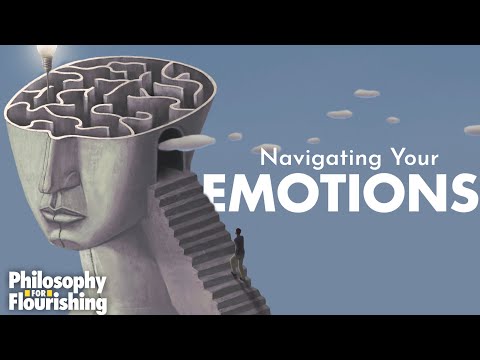
Sadness is one of those emotions we all know. Like, you’ve felt it at some point, right?
Maybe it was after a breakup or when you lost something important. It can feel heavy, like a big rock sitting on your chest.
But here’s the thing—sadness isn’t just a bummer. It can be a teacher, too. Seriously!
Sometimes, it shows us what we really need or want in life. You know? A little nudge to show us what matters most.
So let’s talk about it! Let’s dive into this complex emotional landscape together and see what we can discover about sadness and ourselves.
Understanding and Overcoming Sadness: A Comprehensive Guide to Navigating Your Emotional Landscape (PDF Download)
Sadness is a feeling we all encounter at some point. It’s kind of like a heavy blanket that wraps around you, and getting out from under it can be tough. Seriously, we’ve all had those days where everything feels just… off.
Understanding sadness starts with recognizing what it is. It’s a natural emotion, often triggered by events like loss, disappointment, or even just a rainy day. When you experience sadness, your brain is actually reacting to how you perceive your life situation. And sometimes, that perception can be clouded by negative thoughts.
Here are some key points about sadness:
- It’s normal: Everyone feels sad sometimes. It’s part of the human experience.
- Temporary: Most of the time, this feeling is temporary and will pass.
- Signals something: Sadness can be a signal for change or growth in your life.
You know that feeling when you listen to a sad song and suddenly you’re processing emotions you didn’t even realize were there? That’s the kind of thing sadness does—it nudges you to look deeper into what’s going on with yourself.
If you’re wrestling with lingering sadness, here are some ways to navigate through it:
- Acknowledge it: Just saying “I feel sad” can help—like lifting that blanket just enough to breathe.
- Talk it out: Chatting with friends or family about how you feel makes a big difference. They can offer support and perspective.
- Create space for emotions: Allow yourself to feel sad without judgment. Watching a movie that resonates or journaling might help release those feelings.
Lately, I’ve talked to friends who felt down after losing touch with people they care about. One friend had this crushing sadness when her best buddy moved away. She found herself crying over little things—like the empty seat where her friend used to sit at coffee dates—but eventually realized talking to other pals helped her process those feelings better.
If you’re struggling for an extended period—like if sadness turns into hopelessness—you should reach out for professional help. Therapists can offer tools tailored specifically for you because everyone experiences emotions differently. Sometimes medication might be an option too but only if discussed properly with a healthcare provider.
The big takeaway? Sadness isn’t something to fight against; it’s more an emotional guidepost pointing you toward healing or change. You don’t have to navigate this alone; there are resources and people ready to help lighten that emotional load so don’t hesitate!
Your feelings matter and getting through them is part of living authentically—embracing both happiness and sadness as facets of life is what makes us human!
Understanding the Emotional Landscape: Essential Questions to Navigate Sadness
Sadness is one of those emotions we all face at some point, right? Like, it creeps in unexpectedly and can feel pretty heavy. You know, it’s normal and part of being human. But understanding it can make a big difference in how we handle it.
What causes sadness? Well, there are tons of reasons. It could be a breakup, losing someone you care about, or just feeling stuck in a rut. Sometimes it’s triggered by something specific, while other times it just bubbles up from within without any clear reason. It’s kind of like weather—sometimes it’s cloudy, and other times the sun is shining.
How do you know if sadness is normal or something more serious? That’s a tough one! If you’re feeling down for a few days or even weeks but can still get through the day—like going to work or hanging out with friends—that’s often part of the emotional rollercoaster most people experience. But if sadness sticks around for months or impacts daily functions like sleeping or eating, it might be time to look deeper.
What are the signs that you should reach out for help? Listen to yourself. If feelings of sadness make you stop doing things you enjoy or start affecting your relationships, that’s your cue. Talking to someone—a friend or a therapist—can bring clarity and help lighten that load.
Why is talking about sadness important? Because keeping everything bottled up can lead to bigger problems down the line. It’s like trying to hold all your breath forever; you’ll eventually need to exhale! Sharing your feelings could open doors to meaningful connections and support.
How can you cope with sadness effectively? There are lots of ways! Here are some ideas:
- Journaling: Writing down how you’re feeling can really help process emotions.
- Meditation: Taking a few minutes to breathe deeply can create space for self-reflection.
- Coping strategies: Finding what works for you; whether it’s art, music, exercise—it all counts.
- Sociability: Surrounding yourself with supportive friends or family creates a sense of belonging.
And hey, here’s an emotional nugget: I once had a friend who felt persistently sad after a breakup. She started painting as an outlet. At first, her artwork reflected her gloomy feelings—dark colors and chaotic strokes—but over time she noticed her pieces began showcasing brighter shades as she processed her emotions. It was healing; art became her way of transforming pain into something beautiful.
In short, navigating the emotional landscape of sadness isn’t about avoiding it; it’s more about understanding why it’s there and how we can cope with it creatively and constructively. Emotions are complex but they don’t have to be unbearable. Reach out when needed and embrace the journey!
Exploring Emotional Landscapes: Real-Life Examples and Insights for Better Mental Health
You know how sometimes sadness just creeps in, like an unexpected rain cloud on a sunny day? It can hit you out of nowhere, leaving you feeling heavy and lost. Let’s talk about navigating these emotional landscapes, focusing on sadness and how to understand it better.
First off, mad props to anyone who’s been through tough times. Sadness is a totally normal emotion! It’s human. You might find yourself feeling sad after a breakup, losing a job, or even just realizing you’ve drifted away from close friends. These moments can feel like the world is closing in on you.
Real-life examples can help illustrate how we experience sadness. Take Jamie, for instance. She lost her grandmother last year. At first, she felt like she was in a fog—just going through the motions at work and home. But she found that by talking about her grandma with friends who remembered her too, she started to process her feelings better.
- This shows how sharing stories can lighten the emotional load.
- Sometimes just saying what you’re feeling out loud makes it more real and manageable.
But let’s be real: Not everyone has a support system right there when they need it. Some people might feel isolated when they’re sad. Like Tom—they don’t want to burden others or feel ashamed for being down. Here’s the kicker: keeping those feelings bottled up doesn’t help.
- If you’re feeling low and isolated, consider journaling your thoughts or even expressing them through art.
- This way, you’re giving emotions something to do instead of letting them swirl around endlessly in your head.
Another insight worth mentioning is that sadness often comes in waves. One minute you’re okayish; the next you’re sobbing over a sad movie or an old song that hits too hard. It’s kind of like riding an emotional rollercoaster—a cycle that reminds us we’re alive!
Tuning into these feelings rather than avoiding them can be super helpful too. Think of it as saying “hi” to your emotions—it’s okay to acknowledge that they exist. Instead of pushing them away or pretending everything’s peachy keen when it’s not, try sitting with those feelings for a bit.
- This could mean taking some time alone just to think or reflect on what made you feel sad in the first place.
- A good walk outside might bring clarity—nature has some serious healing vibes!
The thing is, you don’t always have to handle sadness alone or fix it all at once because it takes time! What works for one person might not work for another; finding your own way through the fog is key.
If you find that sadness feels unmanageable—like it’s staying around longer than you’d like—it could be beneficial reaching out for professional help. Therapists are trained folks who understand this emotional landscape inside and out; talking with them can offer fresh perspectives!
- Cognitive Behavioral Therapy (CBT) focuses on identifying unhelpful thoughts related to sadness and working on changing them into healthier ones.
- This approach offers concrete tools for tackling negative thinking patterns over time.
Navigating sadness, though challenging at times, is all part of being human! By recognizing our own emotions and experiencing them fully—even if they’re uncomfortable—we open ourselves up to growth and deeper connections with others down the line.
Sadness, huh? It can hit you like a ton of bricks, outta nowhere. One minute, you’re scrolling through your phone, and the next, you’re drowning in thoughts that feel heavier than usual. Maybe you lost something important or just realized it’s been a tough week. Either way, it’s a part of being human.
I remember this time when I was sitting on my couch after a breakup. The house felt like a ghost town, just me and my thoughts echoing off the walls. I kept replaying moments in my mind—funny memories mixed with the sting of loss. It was hard to accept how empty I felt, like I had been stripped of joy overnight. Seriously, it sucked.
But here’s the thing: sadness is an emotion we all experience. It’s not just about feeling down; it can be a signal that something isn’t right or that you need to process something important in your life. Like when it rains outside—sometimes those clouds are necessary for growth, right? Your garden needs both sun and rain to flourish.
Navigating through sadness isn’t always straightforward though. You might find yourself stuck in a cycle—feeling sad leads to isolation, which makes you feel more sad. It’s frustrating! But maybe call up a friend or throw on your favorite song (even if you end up crying). That connection or catharsis can be super helpful.
And here’s where it gets interesting: sadness often coexists with other emotions—like anger or guilt—and understanding them can lead to some real breakthroughs in your emotional landscape. Look at it this way: finding meaning in the sadness could pave the way for happiness later on.
Sometimes it’s about giving yourself permission to feel what you’re feeling without judgment. You don’t have to bounce back immediately; take your time! Just know that emotions ebb and flow like waves at the beach—you’ll eventually come out on the other side stronger than before.
So yeah, navigating through sadness can be tough—but you’re not alone in this journey! Just remember that each emotional storm brings with it an opportunity for clarity and self-discovery, and that’s pretty powerful if you think about it.