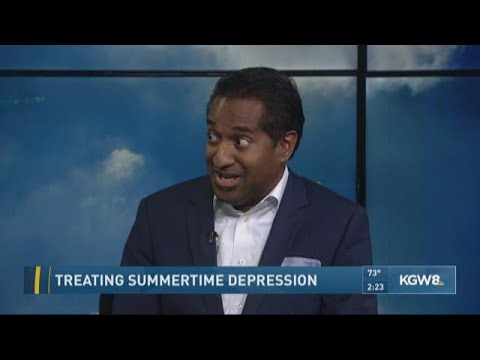
Hey, so let’s chat about something that might seem a bit off—summer depression. Sounds strange, right? I mean, summer is all about sunshine and vacations. But for some folks, those bright days aren’t as cheerful as they seem.
Picture this: it’s a gorgeous day outside. Everyone’s out there soaking up the sun, but you’re stuck feeling low. Yeah, that sucks. It’s like everyone else got a happy pill while you missed the memo.
You’re not alone in this feeling. It can be confusing when the season of fun feels like a drag. So let’s dig into what summer depression really is and how to deal with it without hiding from the heat. Sound good?
Optimal Vitamin D Dosage for Battling Seasonal Depression: What You Need to Know
Seasonal depression, or Seasonal Affective Disorder (SAD), can hit especially hard in those colder, darker months. But did you know that vitamin D, often known as the sunshine vitamin, plays a role in how we feel during these times? When daylight fades, our vitamin D levels might drop, and that can really affect mood. So let’s talk about how you might want to think about your vitamin D intake when dealing with seasonal blues.
First off, how much vitamin D do you actually need? The general recommendation varies based on several factors like age and health status. For most adults, a daily dose of around 600 to 800 IU (International Units) is suggested. In some cases, folks battling major depressive symptoms may even benefit from higher doses—sometimes up to 2000 IU or more—but it’s super important to consult a healthcare provider before going there.
Then there’s the whole issue of synthesis. Your body makes vitamin D when your skin is exposed to sunlight. But during those dreary winter months, especially if you’re living somewhere where it’s not sunny most of the time, you might not get enough. You see? When sunlight decreases, so does your mood. It’s like our bodies are hardwired to need that light for energy!
Now, let’s say you realize you’re not getting enough sun exposure and want to boost your levels through supplements. That could be a solid move! Some research suggests that increasing your intake of vitamin D could help lift mood and combat seasonal depression symptoms.
But here’s the catch: not all supplements are created equal. You’ve got two main forms: D2 (ergocalciferol) and D3 (cholecalciferol). Generally speaking, many studies lean more towards recommending D3 since it seems to be more effective at raising and maintaining your blood levels of this essential nutrient.
Also worth mentioning is how individual variations can play a role here. Factors like your weight, skin color, age—yeah they all affect how much vitamin D you might need. For example, people with darker skin have more melanin which can reduce the amount of vitamin D their body produces from sunlight.
Another thing? Don’t forget about diet! Foods rich in vitamin D can also give you a hand—think fatty fish like salmon or mackerel and fortified foods such as dairy or plant-based milk alternatives.
Lastly—and this is important—if you’re feeling really low or think you might be battling SAD seriously—don’t just rely on vitamins alone! Talking to a therapist or counselor could bring some extra light into your life. Combined with proper nutrition and perhaps some therapy sessions? You just might find yourself sailing through those gray days with more ease.
So yeah, understanding optimal vitamin D dosage makes sense if you’re looking to combat seasonal depression. Make sure you’re getting enough light—be it from the sun or supplements—and keep an eye on both your physical health and mental well-being!
Understanding Summer Seasonal Depression: Signs, Symptoms, and Coping Strategies
Summer, right? Sun shining, people outside, and yet… for some folks, it can be a total bummer. You might be scratching your head wondering how anyone could feel down when the skies are blue and the days are long. But seriously, summer seasonal depression is a real thing. It’s also known as summer depression or seasonal affective disorder (SAD) that kicks in during warmer months.
So what’s going on here? First off, let’s break down some signs and symptoms you might notice if you or someone you know is struggling during this time.
Signs and Symptoms
You might see things like:
- Low energy: Feeling drained even after a full night’s sleep can be frustrating.
- Changes in appetite: Some people overeat—others lose their appetite altogether.
- Anxiety or irritability: Feeling on edge more than usual? You’re not alone.
- Difficulty concentrating: Those summer reading lists may seem daunting when your mind’s all foggy.
- Social withdrawal: Not wanting to hang out with friends, even when they invite you to fun stuff.
It can be confusing because summer is supposed to be this joyful time. I remember a friend who used to dread pool parties. Everyone was laughing and splashing around while she just sat at the edge, feeling lost and anxious among all the chaos. It felt like she wasn’t part of it—like she was watching life through glass.
Now let’s get into why this happens. Researchers think it could stem from a few different things.
Psychological Factors
Your brain works differently in different seasons. Changes in sunlight can mess with your body’s internal clock (circadian rhythm) and even your serotonin levels, which regulate mood. For some people, this shift leads to feelings of sadness or anxiety.
Coping Strategies
If you find yourself feeling down during summer months—or if someone close to you does—there are ways to cope:
- Create structure: Having a daily routine can help give your days some direction.
- Stay connected: Even if you’re feeling withdrawn, try reaching out to friends or family.
- Meditation or mindfulness: Taking some time each day for calm reflection can really make a difference.
- Avoid excessive heat exposure: Seriously! Sometimes just being too hot can mess with your mood.
- Cognitive-behavioral therapy (CBT): This approach helps challenge negative thoughts and build new coping skills; it’s super effective!
Sometimes small changes lead to big shifts in how you feel. Like when my friend started taking short walks early in the morning before the heat hit—and guess what? Those little moments of peace really helped change her perspective.
Always remember that if these feelings persist or worsen, it may help to talk with a mental health professional—that’s not weakness; that’s strength! Just know you’re not alone in this whole summer struggle; many feel similarly trapped under that big sun.
So yeah, summing it up: Summer isn’t always sunshine for everyone. If you’re dealing with those darker feelings while everyone else is living their best life outside, don’t hesitate to reach for support or hit up coping strategies that resonate with you.
Summer is usually painted as this magical time full of sunshine, barbecues, and endless fun. But let’s be real — not everyone feels that way. For some, summer can bring on this weird heaviness that just doesn’t make sense with all the bright and happy vibes floating around.
You know, I had a friend named Sarah who always seemed off during the summer months. I remember one summer day we were supposed to hit the beach, and she canceled last minute. She said she just didn’t have the energy or motivation to enjoy it. At first, I thought she was just tired or needed a break. But over time, I realized it was deeper than that. She struggled with what many call «summer depression» or seasonal affective disorder (SAD) — but in her case, it wasn’t winter blues; it was summer gloom.
The sunshine might be great for some folks, but for others? It can feel overwhelming or even suffocating. The pressure to be active and social can feel like a heavy backpack you didn’t ask to carry. Maybe you find it hard to get out of bed when everyone else seems pumped up about their plans.
There’s also that feeling of isolation when you see your friends posting pics of their adventures while you’re stuck in your own head space more than you’d like. You might think they’re living life to the fullest while you struggle with feelings of sadness or anxiety amidst all that brightness.
It’s important here to talk about how navigating these feelings can be tough but possible! Finding small joys in your routine could help even if they seem insignificant at first. Maybe it’s enjoying your favorite iced coffee on the porch or listening to that playlist that always brings back good memories. Little wins count!
And don’t forget the power of talking about it! Reaching out to someone who gets what you’re going through can make all the difference—even if sometimes it’s just venting about how you’re feeling lost amid all these sun-soaked expectations.
So if summer just doesn’t vibe with you like it does for others, know you’re not alone in feeling this way. It’s totally okay to take a step back and figure out what works for you during those hot months—whether that’s taking things slow, seeking support from friends or professionals, or simply allowing yourself some downtime without any guilt attached.
You deserve joy too—you just have your own unique path there!