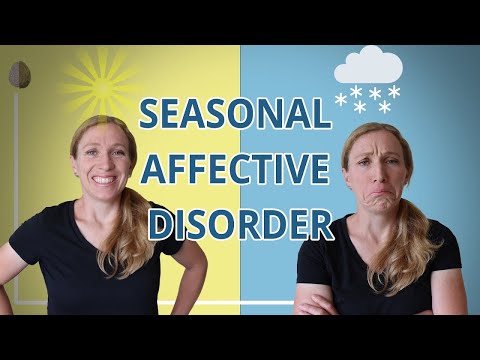
So, you know those gloomy winter days? The ones where it feels like the sun forgot to show up? Yeah, they can seriously mess with your mood.
Enter the sad sun lamp. Kind of a funny name, right? But these little guys are actually designed to help brighten things up—literally!
I mean, who wouldn’t want a boost during those dreary months? Stress, fatigue, and low energy can sneak in there and take over. You feel me?
But what’s the deal with these lamps? Do they really work wonders on your mental health? Let’s take a closer look at what makes them tick—and how they might just lift your spirits when the sky’s looking a little too gray.
Understanding the Potential Side Effects of Using SAD Lights for Seasonal Affective Disorder
Sure thing! Let’s talk about SAD lights and what you might feel when using them.
Seasonal Affective Disorder (SAD) can hit hard during the winter months. It’s like winter drags you down into a gloomy pit. But, hey, here comes the SAD light—a bright white lamp designed to mimic sunlight and help brighten your mood! It sounds great, right? Well, there are a few things to think about before diving in.
First off, a lot of folks experience benefits from these lights. You know? More energy, better focus, improved mood. But it’s not all sunshine and rainbows. Some people get side effects. Here are a few:
- Eye Strain: Using these lights for long periods can make your eyes feel tired or uncomfortable.
- Headaches: Some users report that they develop headaches after too much exposure.
- Insomnia: If you’re using the light too late in the day, it could mess with your sleep patterns.
- Irritability: A few people experience mood swings or increased irritability when they first start therapy.
- Nausea: In rare cases, some folks feel a bit queasy after prolonged use.
Let’s say you’ve been feeling down during winter and decide to give one of these lamps a shot. While many rave about feeling like they’re catching some rays again, it might take time for your body to adjust.
You remember that time Sarah tried one out? At first, it was blissful! She felt more awake and even tackled her laundry mountain like a champ. But after a week? She started getting headaches and felt this weird twinge of irritability that made her snap at her partner over nothing.
That’s pretty common; starting small is often key! It’s usually suggested to begin with just 20-30 minutes of daily use and gradually increase as needed. You might want to keep track of how you’re feeling each day if you go this route.
And remember, timing matters too! Ideally, you should aim for morning sessions rather than evening ones since those late-night glow-ups could throw off your sleep schedule completely—or lead you to binge-watch Netflix until 3 AM.
Ultimately, while SAD lights can be super helpful for many people dealing with seasonal blues, they aren’t magic bulbs without their quirks. If you’re considering one and find yourself worrying about these side effects or any other concerns—it never hurts to chat with a professional who gets mental health stuff.
That way, you’re armed with knowledge and ready to tackle those winter blues head-on!
Exploring the Benefits of SAD Lamps: Can They Really Boost Your Mood?
Seasonal Affective Disorder (SAD) is a type of depression that typically hits when the days get shorter and the weather turns gloomy. You know, when winter rolls around and it feels like the sun just disappears? For many, this can make daily activities feel heavy and colorless. Enter SAD lamps, also known as light therapy boxes. These devices mimic natural sunlight and are designed to help combat those low-energy, downright sad vibes.
So, how do these lamps work their magic? Well, they emit bright light that can help regulate your body’s circadian rhythms—the internal clock that influences your sleep-wake cycle and mood. Basically, by soaking up this light in the morning, you might just trick your brain into thinking it’s getting a dose of that sunny day we all crave.
There’s research to back it up! Studies show that using SAD lamps can lead to significant improvements in mood for people with seasonal affective disorder. Some reports suggest about 60% to 80% of those with SAD see better moods and energy levels after consistent use.
Now, before you rush out to grab one, here are some things you should consider:
- Timing matters: The best time to use a lamp is typically in the morning for about 20-30 minutes. This helps reset your body clock without interfering with your sleep.
- Brightness level: Look for lamps that provide at least 10,000 lux. That’s how bright they need to be to potentially have an effect.
- Avoid blue light: You want full-spectrum white light instead of blue because too much blue light can mess with your sleep patterns.
- Consult a pro: It’s always good practice to talk to a healthcare provider before diving in—especially if you’re dealing with more serious mental health issues.
Let me tell you a bit about my friend Rachel. She would always feel down during those long winter months when she just wanted sunlight on her face. After using a SAD lamp daily while drinking her coffee each morning? Huge difference! Her energy improved so much that she even signed up for yoga classes she had put off for ages.
But look—you shouldn’t expect miracles overnight. Consistency is key here! It may take several weeks before you notice significant changes in your mood or energy levels.
While these lamps aren’t a replacement for traditional therapies or medications if needed, they can certainly play a role in making those darker months feel just a bit brighter. That warm glow might just do wonders for boosting spirits during the seasonal slump!
Effective Ways to Support Someone with Seasonal Affective Disorder (SAD)
Understanding Seasonal Affective Disorder (SAD) can really help you support someone who’s struggling with it. SAD is like a heavy blanket of gloom that rolls in when the days get shorter during fall and winter. That lack of sunlight? It hits hard. People often feel more tired, moody, or even anxious during these months, and it can be tough to shake off.
When you wanna help someone dealing with SAD, it’s all about showing that you care and being there for them. Here are some effective ways to do that:
The Importance of Understanding: One thing that really stands out is empathy. If you’ve never experienced SAD yourself, it might be hard to get why they’re feeling so low in what seems like “perfectly fine” weather outside. But showing that you want to understand goes such a long way!
Remember how your friend felt frustrated last winter because everything seemed gray? It was like their energy was zapped right out of them by December! This kind of experience isn’t just a phase; it’s real and impactful for many.
Lastly, suggest professional support. If their symptoms seem severe or persist despite your efforts to support them, gently encourage talking to mental health professionals about options like therapy or medication.
Being there for someone struggling with Seasonal Affective Disorder isn’t always easy—it takes patience and understanding—but your support can seriously shine like those rays of sunshine they miss so much during the darker months!
You know, when the days start getting shorter and the sun seems to disappear, it’s like a little piece of happiness gets sucked away. I mean, who doesn’t feel a bit blah when the gray clouds linger? That’s where those sad sun lamps come into play. They’re supposed to help us out by mimicking sunlight. But what’s the emotional vibe around them?
I remember when my friend Jess got one. She was really struggling with the winter blues. It was like a cloud hovering over her. One day she told me about this lamp she found online that promised to boost her mood. I was all “A lamp? Seriously?” But hey, she went for it anyway.
When she first plugged it in, Jess sat there with her cup of coffee and, honestly, she looked kinda ridiculous—hair in a messy bun and this bright light blasting her face. We both laughed at how intense it felt. But then something kind of magical happened; after a week or so of use, I could see a shift in her energy. She started talking more enthusiastically again and even joked about how she wasn’t going to turn into a vampire after all!
What’s fascinating is that these lamps can be backed by science too. They mimic natural sunlight which helps your brain crank out serotonin—a major player in mood regulation. It’s not as if they’re some miracle cure; I mean, no one expects to feel like sunshine just from sitting under one for half an hour a day. But they can be part of the toolkit for people feeling low during those dreary months.
Still, it’s not just about the light itself; there’s something deeper at play here too. When you take time for yourself—like sitting under that bright glow—you’re sending a message to your brain: “Hey, I deserve this time.” That little act can feel pretty empowering!
But then again, there are folks who might find these lamps overwhelming or even irritating at times—especially if you don’t really vibe with bright lights in general or if it feels artificial.
So yeah, while sad sun lamps aren’t gonna fix everything overnight—or maybe ever—they can definitely be helpful for some people like Jess in those gloomy seasons when you just need that extra boost and reminder that brighter days are ahead! Just gotta find what works for you, right?