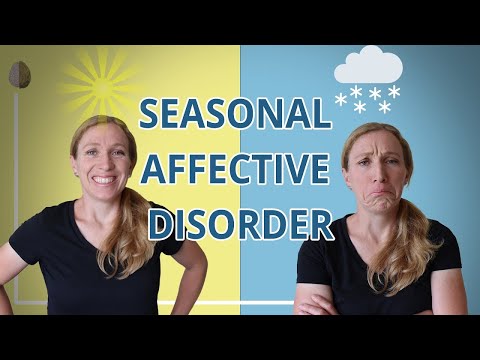
You know those days when the sun just disappears? It’s like someone flipped a switch. Suddenly, everything feels heavier.
That’s the thing about winter, right? The cozy vibes fade, and gloom takes over. It happens to so many of us.
Winter blues aren’t just a myth—they’re real! Seasonal Affective Disorder (SAD) sneaks in and messes with our mood, energy, and even motivation.
But hey, you’re not alone in this battle. Let’s chat about how to figure it all out together. Sound good?
Effective Strategies for Treating Seasonal Affective Disorder: Boost Your Mood This Winter
Seasonal Affective Disorder, or SAD, can really put a damper on your winter months. You know the feeling—when the days get shorter and the sunlight fades, some people just can’t shake that heavy blanket of gloom. But don’t worry, there are effective strategies to help boost your mood!
One of the most recommended treatments is light therapy. It’s pretty simple; you sit in front of a special light box that mimics natural sunlight. This exposure can help improve your mood and reduce symptoms of SAD. It’s like giving your brain a little sunshine fix when it needs it the most. Seriously, just 20 to 30 minutes a day could make a difference!
Exercise is another powerful tool in your mood-boosting arsenal. Getting active actually releases endorphins, those good-feeling chemicals in your brain. Even if it’s cold outside, try indoor workouts like yoga or dance videos on YouTube. You’ll not only feel better physically but mentally too.
Then there’s mindfulness and meditation. You might be thinking, “Ugh, I can’t sit still!” but hear me out—just five or ten minutes of focusing on your breath can really calm that inner chatter. Apps like Headspace or Calm offer guided meditations that make it super easy to start.
Social support is crucial during these dreary months; you might feel like curling up alone under a blanket, but reaching out to friends or family helps keep that dark cloud at bay. Whether it’s chatting over coffee or virtual hangouts, sharing what you’re going through brings light into your life (emotional support doesn’t hurt either!).
And don’t underestimate the role of nutrition! A healthy diet can improve overall well-being. Eating foods high in omega-3 fatty acids—like salmon or walnuts—can help elevate your mood too.
Some folks find success with cognitive-behavioral therapy (CBT). This approach works by helping you challenge negative thought patterns and shift them into something more positive and productive.
Of course, if you’re feeling really overwhelmed, talking to a professional is always an option you should consider. They can provide tailored advice and even prescribe medication if needed.
Remember: while winter might seem long and bleak sometimes, there are ways to lighten things up! So go ahead, embrace these strategies and let some cheer into those chilly days ahead!
Understanding Seasonal Affective Disorder: Key Symptoms to Recognize and Address
Seasonal Affective Disorder, or SAD for short, is like that pesky cloud that rolls in when the days get shorter and the nights stretch out. It usually pops up in the fall and sticks around ‘til spring. The thing is, it’s more than just feeling a bit down because it’s cold outside. People dealing with SAD can experience some pretty intense emotional swings.
So, let’s break it down a bit. You might be wondering what signs to watch for. Here are some key symptoms you should recognize:
- Persistent Low Mood: If you’ve been feeling sad or hopeless most of the day almost every day, that’s a major red flag.
- Fatigue: This isn’t just being tired; it’s that bone-deep exhaustion where even getting out of bed feels like climbing a mountain.
- Changes in Sleep: Some folks sleep too much and still feel tired, while others can’t sleep at all. Either way, sleep patterns go wacky during this time.
- Changes in Appetite: Cravings for carbs or comfort foods often spike. It’s like you’re wanting everything to warm you up from the inside out.
- Lack of Interest: Hobbies you used to love? They might seem dull now. Motivation dips, and activities might feel way less appealing.
- Concentration Issues: Focusing on tasks becomes harder—your brain feels foggy, like someone put a filter on your thoughts.
Now let me tell you how this played out for my friend Sarah last winter. She always loved hiking but suddenly started canceling plans left and right. When I noticed she was super gloomy around December, I asked if she was okay—and she just shrugged it off. It wasn’t until spring rolled around that she realized those months were some of her hardest because she was fighting SAD.
Addressing SAD isn’t just about recognizing symptoms; it’s also about finding ways to cope. Some people find light therapy helpful—that’s where you sit by a special lamp that mimics natural sunlight for about 20–30 minutes each day. Others may benefit from talking things through with a therapist or counselor who gets what they’re going through.
Exercise can help too—believe it or not! Even just walking outside during daylight hours can lift your mood somewhat. It’s as if soaking up those rays helps shake off some darkness.
Remember though, if you think you might be dealing with SAD yourself—or know someone who is—it’s key to reach out for support. You don’t have to go through this alone! Seriously, acknowledging what’s happening and figuring out how to tackle it can make all the difference as we move toward sunnier days ahead!
Understanding Seasonal Affective Disorder: Managing Anxiety During the Darker Months
Seasonal Affective Disorder, or SAD, is that sneaky little foe that creeps in during the colder, darker months. If you’ve ever felt like a shadow of yourself when the season changes, you’re definitely not alone. It can feel really heavy—like one minute you’re okay, and the next it’s like someone flipped a switch. So, what is this all about?
Basically, SAD is a mood disorder tied to the seasons. It usually pops up in late fall and hangs around until spring. Symptoms can include feeling really down, losing interest in things you usually love, having trouble sleeping or sleeping too much, and even feeling anxious or irritable. Sometimes it’s hard to shake those feelings off.
But here’s the kicker: it’s not just about feeling blue during winter; it affects your overall well-being too. You know how sometimes you get that heavy blanket feeling? That’s anxiety creeping in because of SAD. You could be worrying about everything from work deadlines to social situations when the sun isn’t shining bright.
So how do you manage all this anxiety while dealing with SAD? Well, here are some strategies:
- Get Some Sunlight: Seriously! When it’s sunny out—even if it’s chilly—try to soak up some rays. Natural light can help elevate your mood.
- Light Therapy: Ever heard of those bright lamps folks use? They mimic sunlight and can be super helpful for combating those dark days.
- Stay Active: I know it’s tough to get moving when it’s cold, but regular exercise releases those feel-good endorphins. Even a short walk can do wonders!
- Connect with Others: Reach out to friends or family! Isolation can make anxiety worse. Share how you’re feeling; they might be going through similar stuff.
- Meditation and Mindfulness: These practices can help calm your racing thoughts and ground you during anxious moments.
- Professional Help: If things feel too heavy to handle alone, talking to a therapist or counselor is a solid move.
I remember one winter when my friend Sarah just couldn’t shake that gloomy feeling—she was always inside, wrapped in her blankets scrolling through social media. One day she decided to try out light therapy after hearing about its benefits from her therapist. That little change helped her so much! She started getting out more and actually enjoyed her favorite coffee shop where she could work while being around people.
So yeah, managing anxiety during these darker months often requires using different tools at your disposal. Be kind to yourself because it’s not easy navigating these feelings alone; sometimes just reaching out for support makes all the difference.
If you’re struggling with SAD or anxiety related to the season change, remember that there are options available—and you don’t have to go through it all by yourself!
When the days get shorter and the skies turn gray, it’s like someone flipped a switch, right? You might feel more tired than usual, or just kind of… blah. That’s what many people experience with Seasonal Affective Disorder (SAD). It’s real, and it can hit hard.
I remember one winter when everything felt heavy. I was in college at the time, and I’d wake up to darkness. The sun barely peeked through those thick clouds, and my motivation just vanished. I’d sit in class trying to focus but ended up daydreaming about warm beaches instead of taking notes. Seriously, it felt like being trapped in a fog that wouldn’t lift.
The challenging part about SAD is that it can sneak up on you. You might start feeling more irritable or down without even realizing why. People around me would say things like “just get outside!” or “you’ll feel better in the spring!” But you know what? That doesn’t really help when you’re stuck in that sad cycle.
One way to navigate this jungle is by talking about it with friends or family—just letting them know what you’re feeling can really lighten the load. And there’s also light therapy; using a special lamp that mimics sunlight sounds silly at first but can actually work wonders. It’s like giving your brain a little nudge saying, «Hey! Remember summer?»
Also, let’s not forget about staying active! Even if it’s just a quick walk around the block or some gentle stretches at home—it helps shake off that sluggishness. One year, I decided to join a yoga class during winter and found out how much exercise can boost my mood.
So yeah, seasonal changes are tough for many folks out there—don’t hesitate to reach out for help when you need it. You’re not alone in this chilly journey; we’re all learning how to cope together one gray day at a time.