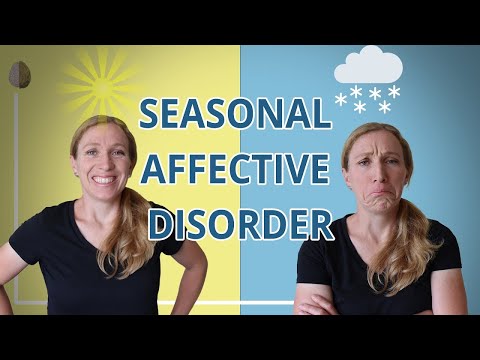
So, here’s the thing. Winter can be a real drag, right? Cold days, early sunsets, and everything just feels… heavy.
It’s no wonder that lots of us struggle with sadness during this season. Like, you might feel it creeping in even before the first snowflake falls.
Maybe you’ve found yourself scrolling through your phone while bundled up on the couch, feeling kinda blah about it all. You’re not alone in this!
That funk can be more than just seasonal bummer vibes—it can actually slap you with some serious winter depression. Yeah, it’s a thing.
Let’s chat about what that means for your mental health and how to cope when those gray clouds start hanging around a little too long. Sound good?
Effective Strategies to Overcome Winter Depression and Boost Your Mood
Winter can be a tough time for a lot of people, you know? The shorter days and the gray skies can really mess with your mood. Some folks even end up feeling like they’re stuck in a fog, which is often called winter depression or Seasonal Affective Disorder (SAD). But don’t worry, there are some effective strategies to help you cope and even boost that mood of yours.
Get Some Light
So, first off, let’s talk about light. Our bodies really thrive on sunlight. When winter rolls around, many people miss out on those sunny rays. This can lead to low energy and sadness. One great way to combat this is by using a light therapy box. These boxes mimic natural sunlight and can help elevate your mood. Just sitting in front of it for about 20-30 minutes each day can make a difference.
Stay Active
Then there’s exercise. Seriously, moving your body is one of the best things you can do for your mental health! Even if it’s chilly outside, try to sneak in some workouts at home or maybe join a local gym. A brisk walk or some yoga can ramp up those feel-good hormones—endorphins, right? They’re like nature’s mood lifters!
Connect With Others
Don’t underestimate the power of social connections during winter months. Reach out to friends or family members, even if it’s just for a quick chat over coffee or video calls. Sharing how you feel with someone who gets it can lighten the load a bit.
Mind Your Diet
Food has more influence on your mood than you might think! Eating well-balanced meals rich in omega-3 fatty acids (like fish) and plenty of fruits and veggies can help too. On the flip side, try to limit sugary snacks and heavy foods that might make you feel sluggish!
Create a Cozy Space
Also, think about your environment. Creating a warm and inviting space at home can uplift your spirits significantly. Think comfy blankets, warm drinks (hot chocolate anyone?), and perhaps some soothing music or candles that bring good vibes.
Have Fun Activities Planned
Winter doesn’t have to be all doom and gloom! Plan fun activities—watching movies that make you laugh or diving into hobbies that spark joy. Maybe it’s painting or baking something sweet; whatever brings excitement back into those cold months.
Consider Professional Help
Sometimes though, feelings of sadness linger despite our best efforts. Don’t hesitate to reach out for professional help if you need it! Therapists have tools to help reshape negative thought patterns that might be dragging you down.
Remember that you’re not alone in feeling this way during winter—it happens to many people! Try out these strategies bit by bit; you might find that they really help lighten up those gray days ahead.
Understanding Winter Seasonal Affective Disorder: Symptoms, Causes, and Coping Strategies
Winter can be a tough time for a lot of people. The days are shorter, the weather’s colder, and sometimes it feels like the sun just doesn’t want to hang out with us. This is where Seasonal Affective Disorder, or SAD for short, comes into play. It’s more than just the winter blues; it’s a real mood disorder that can impact your daily life.
So, what are the symptoms? Well, they can be pretty similar to depression in general. If you ever feel:
- Low energy or fatigue
- Difficulty concentrating
- Changes in sleep patterns, like sleeping way too much or not enough
- Increased appetite, especially for carbs (hello, cookies!)
- Feeling hopeless or worthless
- A loss of interest in activities you usually enjoy
- Irritability or anxiety creeping in more often than usual
If you find yourself nodding along with some of those, you might be dealing with SAD. It’s like a dark cloud that rolls in as soon as daylight starts to fade away.
The causes of SAD aren’t crystal clear yet, but experts have some ideas. One big factor seems to be the lack of sunlight during winter months. Sunlight helps your body produce serotonin, a chemical that boosts your mood. Less sunlight means less serotonin—so yeah, it makes sense why we feel crummy when it’s cold and gray outside.
Your circadian rhythms are also affected—those are basically your body’s internal clock telling you when to sleep and wake up. When there’s less light, that system can get all messed up, leading to feelings of sadness or lethargy.
Coping with SAD isn’t always easy, but there are definitely some strategies that help! Here are a few ideas:
- Lamp Therapy: Get yourself one of those fancy light therapy boxes. They mimic sunlight and can really give your mood a boost during those dark months.
- Stay Active: Exercise is a total game changer for mental health. Even taking brisk walks outside can do wonders.
- Eat Well: Try to keep your diet balanced—plenty of fruits and veggies will help keep your energy steady.
- Avoid Alcohol: It might seem tempting during winter nights but drinking can actually make those feelings worse.
- Talk It Out: Seriously! Connecting with friends or talking about how you feel can make all the difference.
You know, I once had this friend who really struggled through winter months every year. She decided to invest in one of those light therapy lamps and started taking daily walks outside whenever she could grab some sunshine—even if it was only for 15 minutes! Over time, she noticed her mood lifting just from these small changes. It’s pretty amazing how little things can make a big impact!
If symptoms get too overwhelming though, reaching out to a mental health professional is super important. There’s absolutely no shame in seeking help when you need it!
The thing is: winters may come with challenges for our mental health—but understanding what’s going on makes it easier to cope and shine through them!
Understanding Seasonal Affective Disorder: Why Winter Affects Your Mental Health
It’s that time of year again when winter rolls in, and suddenly, the days get shorter and darker. If you’ve noticed yourself feeling more down, unmotivated, or just plain blah during these chilly months, you might be dealing with Seasonal Affective Disorder (SAD). It’s like a cloud descends over your world and it can really mess with your mental health. So let’s break this down.
First off, what is SAD? Well, it’s a type of depression that happens at certain times of the year. Most people feel it when winter hits—hence the name. The thing is, this isn’t just about feeling a bit gloomy because of the weather; it can seriously affect how you live your life.
Here’s what typically happens:
- Shorter Days: With less sunlight comes lower serotonin levels in your brain. This chemical helps regulate mood. Less sunlight means less serotonin—uh-oh.
- Changes in Melatonin: As daylight decreases, melatonin production increases. That sleepy hormone can make you feel more lethargic and less motivated.
- Lifestyle Changes: More indoor time often leads to less physical activity and poorer eating habits; both got their own impacts on mood.
Now here’s where it gets personal: think about that one winter when everything felt harder than usual. Maybe you struggled to get out of bed or lost interest in doing things you typically love—like hanging out with friends or enjoying a good book. You weren’t alone! Many folks experience this feeling when the temperature drops.
But wait! Just because you’re feeling blue doesn’t mean there aren’t ways to cope with it. Here are some strategies that could help:
- Light Therapy: This involves using a special light box to mimic sunlight exposure—kinda like bringing summer indoors!
- Exercise: Yeah, getting moving may seem tough in winter but even short walks can boost those happy hormones.
- Talk About It: Sometimes just chatting with a friend about how you’re feeling can lighten the load.
You know what else? Keeping a routine can also help keep those winter blues at bay—regular sleep schedules, meal times, and activities can bring some stability into an unpredictable season.
SAD is real—it affects many people each year—but understanding what’s going on can really empower you. You’re not simply being lazy or overly sensitive; there’s actual biology behind what you’re feeling! So keep an eye on those feelings during winter months and don’t hesitate to reach out for support if things start spiraling downward.
In the end, remember that brighter days will come again—even if they feel far away right now. You’ve got this!
Winter can be a really tough time for a lot of folks. You know how it gets darker earlier, and the cold can make you wanna just hibernate under your blankets? Well, for some people, it’s more than just a seasonal change; it’s like this heavy cloud that settles in their brain. Cocooning yourself in comfort is one way to cope, but what about when the weight of sadness feels too much?
Let me tell you a story. A friend of mine named Sarah used to love winter. She’d go ice skating and drink hot cocoa after spending afternoons outside in the snow. But one year, things shifted. The cold felt colder; the nights felt longer. Instead of skipping through the snow, she found herself scrolling through her phone, feeling this deep ache inside her. It hit her hard that winter blues can turn into something much deeper—like seasonal affective disorder (SAD).
So what exactly is SAD? Well, it’s a type of depression that strikes during certain seasons—most often winter—when daylight hours are short and sunlight is scarce. It can make you feel sluggish, irritable, or even hopeless at times. Seriously, if you’ve ever felt like your mood drops along with the temperature, you might relate.
Coping with this kind of sadness isn’t easy. Some people find solace in therapy—chatting with someone who gets it can lighten that load, you know? Others try light therapy lamps to mimic natural sunlight or lean into physical activities like yoga or dance to get those endorphins flowing again.
Sarah found that spending time with friends was key for her during these months when she dreaded leaving home. Just grabbing coffee or having movie nights helped remind her she wasn’t alone in this struggle.
And then there’s self-care: warm baths, reading by the fireplace (if you’re lucky enough to have one), or even diving into new hobbies—these little things can brighten up gloomy days more than we give them credit for.
The thing is, if you’re feeling off during winter, it’s really okay to seek help. Just talking about how you’re feeling—even if it seems silly—can create such space for healing and growth. Remember that your mental health matters no matter what season it is!