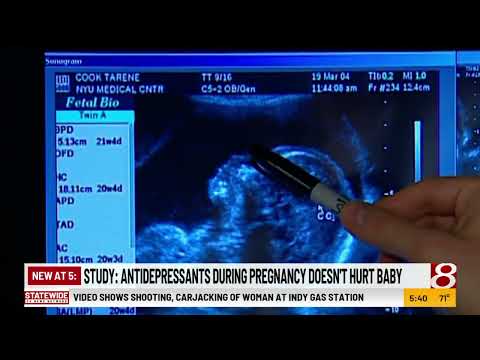
So, you’re pregnant and feeling a bit heavy in the heart, huh? That’s totally normal. Pregnancy brings a whirlwind of emotions. One minute you’re excited, and the next, it feels like the world is pressing down on you.
It’s such a tricky time, especially if you’re dealing with depression or anxiety. You want to be super careful about what you take, right? It’s like walking a tightrope: balancing your mental health while protecting your little one.
Not to worry though! There are safer options out there when it comes to antidepressants during pregnancy. You don’t have to feel lost in this maze. Let’s chat about what’s out there and how you can take care of yourself—and your baby—at the same time!
Zoloft vs. Prozac: Which Antidepressant is Safer During Pregnancy?
When it comes to choosing between Zoloft and Prozac during pregnancy, it’s super important to think about safety for both you and your baby. Both medications belong to a class called SSRIs, which are often used to treat depression. But they’ve got their differences.
Zoloft (sertraline) is frequently prescribed during pregnancy because studies suggest it has a lower risk of causing problems in newborns compared to some other antidepressants. Research indicates that Zoloft is generally well tolerated by pregnant women, with fewer reports of complications like neonatal withdrawal symptoms.
On the flip side, Prozac (fluoxetine) has also been widely studied, but its safety during pregnancy can be a bit more complex. Some findings have pointed out possible risks such as heart defects or a slightly higher chance of complications at birth. It’s not all bad news though; many women have taken Prozac without any issues.
So, what factors should you keep in mind? Here’s a little breakdown:
- If you’ve been on one of these meds before becoming pregnant, sticking with what your body knows might be best.
- The dose matters too—lower doses are usually deemed safer.
- Talk to your doc about any family history of mental health issues or complications during past pregnancies.
- Your overall health and the severity of your depression play huge roles in decision-making.
Around two years ago, I spoke with a friend going through this dilemma. She was dealing with anxiety and had been on Zoloft for years. When she found out she was pregnant, her doctor said Zoloft would likely be the safer option since she had done well on it before. That conversation stressed the importance of having open communication with healthcare providers.
In the end, there’s really no one-size-fits-all answer when deciding between Zoloft and Prozac during pregnancy. It’s all about finding what works best for you while keeping those little ones in mind! Always consult your healthcare professional before making any changes to your medication regimen—that’s key for ensuring safety for both you and your baby!
Exploring the Safety of Psychiatric Medications During Pregnancy: What You Need to Know
Pregnancy can be a wild ride, right? There’s excitement, but also a ton of worries. If you’re managing mental health issues and pregnant or thinking about getting pregnant, you might be wondering about psychiatric medications. Let’s break this down.
First off, the safety of psychiatric medications during pregnancy can vary widely. Some meds are considered safer than others. It’s super important to talk to your doctor before making any changes because stopping medications suddenly can cause more issues than it solves.
For antidepressants, many experts focus on the category known as SSRIs, which stand for selective serotonin reuptake inhibitors. Common ones include Sertraline (Zoloft) and Fluoxetine (Prozac). Research shows they might be relatively safe, but there are still some risks to consider.
You should know that every pregnancy is different. Some women can take these medications with no problems, while others might face complications. For instance:
On the flip side, certain meds aren’t recommended at all. For example:
You’re probably thinking about how all this affects your baby. That’s legit! Research indicates potential risks like low birth weight or withdrawal symptoms after birth when taking certain antidepressants.
Plus, mental health itself plays a huge role here. If depression isn’t treated during pregnancy, it can lead to worse outcomes for both you and your baby—like premature birth or developmental issues.
Oh! And let’s not forget postpartum mental health—after giving birth, many women face issues like postpartum depression or anxiety. Having a good plan in place is crucial so you’re not caught off guard.
So what’s the bottom line? If you’re pregnant or planning to be, keep communication open with your healthcare provider about your medication options and overall mental health strategies. They’ll want to weigh the pros and cons based on your specific situation.
It’s definitely a complex topic with no one-size-fits-all answer. Just remember: taking care of yourself really matters for both you and your little one!
Safe Mood Stabilizers During Pregnancy: What You Need to Know for Mental Health
Pregnancy can be a whirlwind of emotions, and if you’re dealing with mood instability during this time, it’s super important to talk about mood stabilizers. Some medications are safer than others when it comes to keeping both you and your baby healthy. Let’s get into what you need to keep in mind.
First off, always consult your doctor. Seriously. Every situation is unique, and what’s safe for one person might not be for another. Your healthcare provider knows your history and can offer guidance that fits you perfectly.
When it comes to mood stabilizers, some have been studied more than others regarding pregnancy safety. Here are a few that often get mentioned:
- Lithium: This has been used for years, but there are risks involved—like certain heart issues in the baby if taken in the first trimester. Still, in some cases where it’s essential for managing bipolar disorder, doctors might weigh the pros and cons closely.
- Lamotrigine: More commonly known as Lamictal, this one has shown relatively safer outcomes during pregnancy compared to others. It’s often favored because studies suggest it doesn’t significantly increase risk for the baby.
- Valproate: Avoid this one if you can! It’s linked to serious birth defects and developmental issues. If you’re on this medication and find out you’re pregnant, reach out to your doctor ASAP.
Now, let’s chat about the emotional side of things too. Imagine you’re excited but also feeling all over the place because of hormonal changes. I know a friend who struggled with severe anxiety during her pregnancy. She found out that her usual meds weren’t safe, which was really tough for her mentally—it added stress instead of easing it! This is where keeping an open line of communication with your provider becomes essential.
A big part of managing mental health during pregnancy is lifestyle changes. Things like healthy eating or regular exercise can really make a difference in how you feel overall. And don’t forget about support systems! Friends or family can help you manage stress too.
Finally, don’t skip those check-ups! Regular appointments can help monitor both your mental health and fetal development closely. It’s key to catch any issues early on.
Keep these points in mind: You have options when it comes to managing mood stabilization while being pregnant. Just remember that working together with a healthcare professional makes all the difference in ensuring both your health and that of your little one.
You know, pregnancy is this beautiful journey, but it can also be super overwhelming, especially when it comes to mental health. It’s like you’re juggling all these emotions while also trying to care for another little human. If you’ve ever been pregnant or know someone who has, you probably get that balancing act. So, when it comes to taking antidepressants during this time, there’s a lot of concern about safety—not just for the person who’s pregnant but also for the baby.
There are some antidepressants that doctors generally consider safer during pregnancy. SSRIs (selective serotonin reuptake inhibitors) are often in the spotlight here. They help increase serotonin levels in your brain, which can improve mood and overall mental wellness. Things like fluoxetine and sertraline are commonly prescribed because they’ve been studied a bit more with pregnancies in mind. It’s a bit like choosing the right seatbelt for your car—you want to make sure it protects both you and your little passenger.
I remember my friend Sarah telling me how tough her pregnancy was when she had severe anxiety and depression. She struggled with the idea of needing medication but also wanted to feel like herself again. After talking to her doctor and weighing options, it turned out that staying on an SSRI helped her tremendously while keeping her baby safe. She went through so many ups and downs emotionally, but finding that balance made such a difference.
Of course, every person’s situation is different; what works for one might not work for another. That’s why it’s super important to have those conversations with a healthcare provider you trust. They can help navigate all the risks and benefits because honestly? There isn’t a one-size-fits-all answer here.
The thing is—mental health matters just as much as physical health during pregnancy. If someone feels more stable mentally, they’re probably going to take better care of themselves and their growing baby too. Supporting mental well-being doesn’t take away from the incredible journey of bringing new life into the world; it enhances it!
So if you find yourself in this situation or know someone who might be, just remember: It’s okay to ask questions and seek help because both your mental health and that adorable little bundle of joy matter immensely!