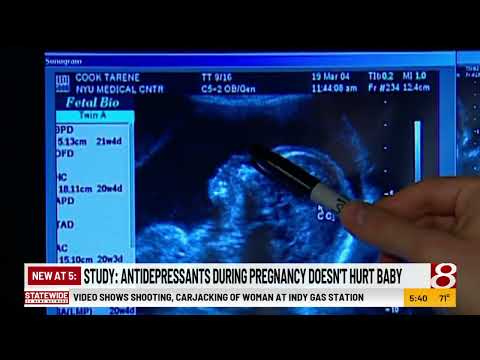
So, you’re expecting a little one, huh? That’s super exciting! But maybe you’ve also got some mental health stuff going on, and now you’re wondering about taking your meds during pregnancy. Totally understandable.
The thing is, it can feel like a minefield trying to figure out what’s safe. You want to keep yourself balanced while making sure everything’s cool for your baby. So let’s chat about SSRIs—those are the selective serotonin reuptake inhibitors—and why they might be on your mind.
Trust me, you’re not alone in this. A lot of people are navigating these waters. Let’s break it down together and see what the safest options might look like for you and your growing family!
Choosing the Safest SSRI for Pregnancy: A Comprehensive Guide to Antidepressant Options
Choosing the right antidepressant during pregnancy can feel like navigating a complicated maze. You want to find something that helps with your mental health while keeping your baby safe. That’s where SSRIs, or selective serotonin reuptake inhibitors, come into play. These meds are often prescribed for depression and anxiety, and some are considered safer than others during pregnancy.
So let’s break it down.
Common SSRIs like fluoxetine (Prozac), sertraline (Zoloft), and citalopram (Celexa) are frequently discussed when it comes to pregnancy. But not all SSRIs are created equal regarding safety for your little one.
Here’s a look at some of the popular options:
- Fluoxetine (Prozac): This one’s pretty well-studied, but there’s some concern about potential risks for heart or lung issues in newborns if taken late in pregnancy.
- Sertraline (Zoloft): Often considered one of the safest choices, research suggests it’s less likely to cause complications compared to others.
- Citalopram (Celexa): It’s generally seen as safe but has been linked to some risks of certain heart conditions in babies.
- Escitalopram (Lexapro): Similar to citalopram, it has similar safety concerns though more studies are needed.
When thinking about these medications, you’ve got to weigh the benefits against potential risks. Maternal mental health is crucial! Untreated depression or anxiety can hurt both you and your baby’s well-being.
Now, what really matters is that there isn’t a one-size-fits-all answer. Everyone’s body reacts differently, right? So it’s vital to have an open conversation with your healthcare provider about what might work best for you.
Here’s a quick personal story: A friend of mine struggled with anxiety throughout her pregnancy. She was on sertraline and decided to stick with it after discussing the pros and cons with her doctor. After giving birth, she felt relieved because she hadn’t experienced those frightening feelings of anxiety during such a sensitive time. Her baby arrived healthy too!
You might also wanna know that using SSRIs during pregnancy can sometimes lead to withdrawal symptoms for the baby after birth—this is called neonatal withdrawal syndrome. It can include things like jitteriness or trouble feeding, but most babies recover quickly.
In any case, if you’re considering an SSRI while pregnant—or even if you’re just thinking about getting pregnant—it’s super important to talk through all these details with your doctor or psychiatrist first. They can help guide you based on your specific situation.
Remember: Your mental health matters just as much as physical health during this time! Always keep those lines of communication open so you can make informed choices that work for you and your future child.
Zoloft vs. Prozac: Safety Considerations for Pregnancy and Mental Health
When it comes to managing mental health during pregnancy, the choice of medication can feel like walking a tightrope. You want to balance your own well-being with that of the baby. Here’s a look at two common options: **Zoloft** and **Prozac**. Both are selective serotonin reuptake inhibitors (SSRIs) and can be prescribed for depression and anxiety, but there are some safety considerations to keep in mind, especially when you’re pregnant.
Zoloft (sertraline) is often considered one of the safer options for pregnant women. Studies have suggested that it has a lower risk of complications compared to some other medications. For example, while there’s still some risk associated with any medication in pregnancy, the potential issues with Zoloft might be less severe than with others.
Then there’s Prozac (fluoxetine). This one’s been around a bit longer and has a solid track record for treating depression. However, research has shown that taking Prozac during early pregnancy could be linked to an increased risk of certain congenital defects. So it might not be the first choice for everyone.
When considering these medications, it’s crucial to think about how they affect both you and your baby:
- Effectiveness: Both Zoloft and Prozac can effectively manage symptoms of depression and anxiety.
- Withdrawal Symptoms: Babies exposed to SSRIs late in pregnancy may experience withdrawal symptoms after birth.
- Potential Risks: With Zoloft, risks seem lower compared to Prozac, but they still exist.
- Timing Matters: Taking these medications during the first trimester may carry different risks than later stages.
Plus, every person is different! Some women handle one medication better than another due to unique body chemistry or even personal history with mental health issues.
A friend of mine went through this when she was expecting her little one. She’d been on Zoloft before getting pregnant and continued during her pregnancy after discussing thoroughly with her doctor. Luckily, she managed her anxiety well while keeping up with all her prenatal appointments.
But hey, it really all boils down to having that open chat with your healthcare provider—like really digging deep into what feels right for you. They can help weigh the benefits against potential risks so that you make an informed decision together.
So just remember, whether you’re leaning towards Zoloft or Prozac, you’re definitely not alone in this journey!
Safe Mood Stabilizers During Pregnancy: What You Need to Know for Mental Health
Pregnancy can be an exciting time, but if you’re dealing with mental health issues, it might feel a little daunting. You’re probably thinking about the health of your baby and yourself. When it comes to managing mood disorders like depression or anxiety during this special time, finding **safe medications** becomes a priority.
First up, mood stabilizers. These are usually prescribed for conditions like bipolar disorder. They help to keep your mood in check, so you don’t swing wildly between highs and lows. But here’s the thing: not all mood stabilizers are created equal when it comes to safety during pregnancy.
One common option is **lithium**, which can be effective but has some risks associated with it. Research suggests that using lithium during the first trimester could increase the chance of heart defects in babies. So if you’re on lithium, it’s super important to chat with your doctor about switching or adjusting your dosage before you conceive or as soon as you find out you’re pregnant.
Another class to consider is **SSRIs** (Selective Serotonin Reuptake Inhibitors). They’re typically used for depression and anxiety and tend to have a better safety profile during pregnancy compared to some other medications. However, certain SSRIs come with their own set of risks.
Here’s a quick rundown of what you should know:
- Sertraline (Zoloft): This tends to be one of the safest SSRIs during pregnancy and is often recommended.
- Fluoxetine (Prozac): Also considered fairly safe, fluoxetine has been used widely in pregnant women.
- Citalopram (Celexa): This one is a bit more controversial; while some studies say it’s okay, others have raised flags about potential risks.
If you’ve been prescribed an SSRI or mood stabilizer before getting pregnant, don’t just stop taking them on your own! That can actually lead to more harm than good—for both you and your baby. Instead, have an open conversation with your healthcare provider about the best options moving forward.
Another factor you need to think about is how these medications affect breastfeeding later on. Some meds pass into breast milk more than others, which could impact your little one after they arrive.
It’s also super important not to overlook non-medication approaches! Therapy can be just as effective in managing mental health symptoms without the risks that come with medications. Cognitive Behavioral Therapy (CBT) or mindfulness practices might work wonders.
Finding balance in taking care of yourself while preparing for baby’s arrival isn’t easy—trust me; I get it! Just remember: Always talk things through with your doctor or therapist—they’re there to help guide you through this journey safely and effectively.
Talking about mental health during pregnancy can feel like a tightrope walk, right? On one hand, you want to take care of your mental well-being, but on the other, there’s this huge focus on keeping your baby safe. It’s a balancing act that definitely deserves attention.
Let me share a quick story. A friend of mine was pregnant and dealing with some serious anxiety. She was at that point where she felt like she needed help but was terrified about what medication could do to her baby. She had been prescribed an SSRI before getting pregnant and was just so overwhelmed with the thought of switching meds or going off them altogether. It’s tough.
SSRIs, or selective serotonin reuptake inhibitors, are often prescribed for depression and anxiety because they help boost serotonin levels in the brain, which can improve mood. But when you’re pregnant, it gets complicated. Some studies suggest certain SSRIs are safer than others during pregnancy; for instance, medications like fluoxetine (Prozac) and sertraline (Zoloft) tend to be more commonly recommended as they’ve shown lower risks compared to others.
But here’s the thing: every person’s body reacts differently, and what works for one might not work for another! Plus, you have to consider the risks if you don’t treat your mental health issues at all—sometimes those could be even riskier than taking a medication.
It’s also super important to work closely with a healthcare provider who really understands both mental health and pregnancy. They can help weigh out the pros and cons based on personal health history and current symptoms. And remember those check-ups? They aren’t just about baby; they’re also a great chance for mamas-to-be to share how they’re feeling emotionally.
Your mental well-being is just as important as physical health during this time. If you’re struggling or feeling lost in all this info (and trust me, it’s easy to feel that way!), reaching out for support is key—whether it’s talking to someone close or joining a support group.
So yeah, navigating SSRIs during pregnancy isn’t black-or-white; it’s really more like finding shades of gray where each decision has its own emotional weight attached. Keeping that conversation alive can make such a difference!