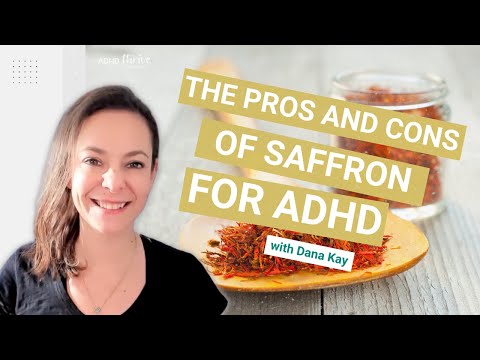
Okay, so let’s talk about something interesting: saffron. Yeah, that spice you might sprinkle on a fancy dish or see on a cooking show.
But here’s the twist—people are starting to look at saffron for something way different: managing ADHD. Crazy, right?
I mean, who would’ve thought a tiny little flower could have a role in keeping our minds in order? It’s pretty wild when you think about all the options out there.
You might be wondering if this is just another trend or if there’s something legit behind it. So, let’s dive into how saffron supplements are catching attention in the world of ADHD management!
Exploring the Most Effective Herbs for Managing ADHD Symptoms: A Natural Approach
Managing ADHD can be a real challenge. You know those days when your brain feels like it’s juggling too many thoughts at once? Yeah, that’s what many people with ADHD deal with—difficulty focusing, restlessness, and impulsivity. While there are medications to help with these symptoms, some folks are exploring herbs and natural supplements as alternative options. One interesting herb that’s been popping up in conversations is saffron.
Saffron has long been celebrated not just for its flavor but also for potential health benefits. Some studies suggest it might help in managing symptoms of ADHD. Seriously! Researchers have found that saffron could improve attention and behavior in kids with ADHD, offering a more natural approach. It’s thought to work by impacting serotonin levels in the brain—which is super important for mood regulation.
But you might wonder: how does one even use saffron for this? Well, it typically comes in supplement form these days—like capsules or extracts. Just picture someone adding a saffron supplement to their morning routine right next to their multivitamins.
Here are some key points about saffron and ADHD management:
- Research-backed benefits: Some studies show improved focus and reduced hyperactivity.
- Natural option: This can attract those looking for alternatives to traditional medications.
- Saffron’s effects: It may boost serotonin, which can help with mood swings often seen in ADHD.
- Dose matters: It’s important to follow recommended doses; sometimes less is more!
- Side effects: It generally has fewer side effects compared to conventional meds but still needs consideration.
Now, let’s think about someone like Jamie. Jamie always struggled with staying focused during class and often felt overwhelmed by too much noise or too many tasks at once. After chatting with a counselor about alternatives to medication, they decided to give saffron a shot an option that felt more natural. With consistent use of the supplement, Jamie noticed they could pay attention better during lectures—it was like a cloudy fog lifted!
Of course, individual experiences vary widely. Not everyone will have the same results as Jamie did. And it’s ***super essential*** to talk to a healthcare provider before trying out any new supplements—especially if you’re already on other medications.
In short: exploring herbs like saffron could be an intriguing option for managing ADHD symptoms naturally—but make sure you approach it wisely! Balancing nature and science can lead us toward understanding what really works best for each of us when tackling something as complex as ADHD.
Understanding the Differences Between Saffron and Ritalin for Mental Health
Mental health is such a tricky topic sometimes, isn’t it? You might be hearing about saffron and Ritalin when it comes to managing conditions like ADHD. They’re like two different players on the same field, but they play the game quite differently.
First up, let’s talk about Ritalin—medically known as methylphenidate. This is a prescription medication often used to treat ADHD by helping improve attention and focus. Basically, it works by increasing levels of certain brain chemicals called neurotransmitters, which help with impulse control and concentration. Many folks find that Ritalin works pretty well for them, but not everyone responds the same way.
On the flip side, we have saffron. Yep, that spice you probably sprinkle on your dishes! Surprisingly, there’s some research suggesting that saffron supplements might also help with ADHD symptoms. It’s thought to have antioxidant properties and can influence neurotransmitter systems too—kind of similar to how Ritalin functions but in a more natural way.
So how do they differ? Well, here are some key points:
- Mechanism of Action: Ritalin acts directly on neurotransmitters in the brain quickly; saffron seems to work more gently over time.
- Pill vs Spice: You take Ritalin as a prescription pill; saffron is usually taken as a supplement or in food.
- Side Effects: Ritalin can come with side effects like sleep issues or appetite loss; saffron generally has fewer reported side effects but can still cause reactions in some people.
- Efficacy: Ritalin has extensive research backing it up for treating ADHD; saffron has promising studies but isn’t as widely accepted yet.
- Addiction Potential: Ritalin has some potential for abuse since it’s a controlled substance; saffron doesn’t carry that risk.
It’s seriously important to chat with your doctor if you’re considering trying something new for mental health issues. Like, maybe you think saffron sounds appealing because it’s more natural—totally valid! But just keep in mind that what works wonders for one person might not do much for another.
Real talk: I met someone named Sarah who was struggling with ADHD. She tried Ritalin and noticed significant improvements in her focus at work. But she also felt jittery sometimes from it. Then she gave saffron a shot after reading about its benefits online—it helped her feel calmer during busy days without those edgy feelings.
In summary, both saffron and Ritalin have their place when tackling ADHD symptoms—just in very different ways. Don’t hesitate to explore options but make sure you do so with support from someone who gets the medical side of things!
Unlocking Focus: The Best Saffron Supplements for ADHD Management
Saffron has been around for ages, you know? This bright orange spice isn’t just for fancy dishes but has shown some promise in helping with ADHD management too. Actually, scientists have started to take a closer look at how saffron might help improve focus and reduce symptoms of ADHD.
Now, let’s get into the nitty-gritty part. The active compounds in saffron are responsible for its potential benefits. They’re called carotenoids and glycosides. These compounds are thought to have antioxidant properties, which can be good for brain health. But what does that mean for someone with ADHD? Well, it might mean better regulation of neurotransmitters like dopamine and serotonin, which play a big role in focus and mood.
So, before you rush out to buy saffron supplements willy-nilly, it’s worth noting that there are different options available. Some people prefer capsules, while others like powders. The choice really depends on your personal preference and lifestyle.
- Capsules: Easy to take—just pop one with water! They often contain standardized extracts of saffron, which means you’re getting a reliable dose.
- Powders: You can mix these into smoothies or even sprinkle them on food. They’re flexible but require some creativity!
- Tinctures: These liquid extracts can be added to drinks or taken directly under your tongue.
It’s also important to check the dosage when you’re looking into supplements. Research suggests around 30 mg daily might be beneficial for attention issues. But hey, it’s not one-size-fits-all; it’s super crucial to chat with a healthcare provider about what works best for you or someone you care about.
Anecdote alert! I once knew someone who tried saffron supplements after feeling scattered all the time due to their ADHD. They started using capsules every morning with breakfast—and wow! After a couple of weeks, they mentioned feeling more alert and less overwhelmed during meetings at work. It just goes to show how individualized this journey can be!
Also remember that while saffron may help some people feel more focused or calm, it shouldn’t replace traditional treatments unless a professional says otherwise. Medication and therapy often play key roles in managing ADHD effectively.
In summary, saffron supplements could potentially aid those managing ADHD by tapping into their natural properties that promote better brain function and mood regulation. But always keep in mind: patience is key when trying something new! And don’t forget—consulting a healthcare professional can offer guidance tailored specifically for you or your loved ones’ needs.
Saffron, huh? You might have seen it in fancy dishes or maybe read about it as a spice that’s like, super expensive. But lately, there’s been some buzz about saffron supplements and their potential role in managing ADHD. It’s intriguing, right?
So, ADHD can feel like trying to juggle while riding a unicycle on a tightrope—just chaotic. There are many ways people manage it: therapy, medication, and lifestyle changes. But what about supplements? Saffron is being touted as one of those natural options that might actually help some folks focus better or manage those pesky symptoms.
I remember my friend Jake struggling with his attention span in school. He was smart but found it hard to sit still or concentrate during lectures. He tried various approaches—talk therapy, some medications—and while they worked to an extent, he still felt like he was missing something. That’s when he decided to give saffron a shot after hearing about its benefits online. The results were pretty interesting! Over time, he noticed himself feeling calmer and could keep his thoughts more organized.
Now don’t get me wrong; saffron isn’t some magical cure-all or anything. Meaning, it might help some individuals but not others. And there’s ongoing research suggesting that the compounds in saffron can have mood-boosting effects and may even enhance cognitive function for those with ADHD symptoms.
That said, it’s important to approach saffron supplements like any other treatment option—with caution and awareness. Always chatting with a healthcare provider before jumping into something new is crucial, especially when managing something as complex as ADHD.
So yeah, while the thought of using saffron for ADHD sounds cool—and could be a helpful tool in someone’s kit—it’s all about finding what works best for you personally and making sure you’re doing it safely!