You know, when it comes to mental health, we often hear about different treatments, right? Meds, therapy, lifestyle changes—you name it. But there’s this less talked about stuff called “saint treatment approaches.” I mean, have you ever heard of that?
These methods can sound a bit out there at first. But honestly, they offer some seriously interesting perspectives on tackling mental health and depression.
Imagine blending tradition with modern psychology. It’s like mixing old-school wisdom with the latest science. Kind of cool, right?
So let’s chat about what these saint treatment approaches are all about. You might find something that resonates with you or someone you care about!
Understanding the Side Effects of MeRT Therapy: What You Need to Know for Mental Health
MeRT, or Magnetic eResonance Therapy, is a relatively new approach for treating mental health conditions like depression and anxiety. You’re probably wondering how this works and what side effects it might have, right? Well, let’s unpack that a little.
First off, MeRT uses magnetic fields to target specific areas of the brain. It’s kind of like sending gentle waves to help recalibrate your mood. In theory, this helps improve brain function and can relieve symptoms of mental health disorders. But just like any treatment, it doesn’t come without potential side effects.
So, what are these side effects? Here are some key points to consider:
And while those are the most commonly reported side effects, they often resolve pretty quickly. It’s important to note that individual experiences vary! You know how some people get seasick on boats while others don’t? Same idea here.
Overall, MeRT seems to be safer than many traditional medications which can have long-term high-risk side effects like weight gain or dependency issues. Plus, it doesn’t involve invasive procedures or major lifestyle changes.
But remember—if you’re considering MeRT or any treatment for your mental health struggles, it’s super crucial to consult with a healthcare professional who knows your history. You want an expert who can help you weigh the risks versus benefits based on your personal circumstances.
Just keep in mind that understanding side effects helps empower you when making decisions about your mental health care journey. So no matter what path you choose—always put yourself first!
Understanding the Differences Between Saint and TMS: A Comprehensive Guide to Mental Health Treatments
Understanding mental health treatments can feel like navigating a maze. There are so many options out there, and it can get really overwhelming. Two approaches you might come across are **SAINT** and **TMS**. So let’s break them down in a chill way.
What is SAINT?
SAINT stands for **Stimulation of the Anterior Insula with Neuromodulation Therapy**. Basically, it’s a brain treatment focused on stimulating certain areas to help reduce symptoms of depression. People often describe it as a gentle nudge to the brain’s function, encouraging it to bounce back when it’s feeling low.
How does SAINT work?
The treatment uses specially designed equipment to send small electrical pulses to the anterior insula. This part of your brain plays a vital role in emotional regulation and awareness. Think of it as turning up the volume on your brain’s ability to handle emotions better.
What’s cool about this method is that it usually requires fewer sessions than traditional therapies. Most people see results after just a few weeks! Imagine feeling lighter and more connected to yourself again after struggling for so long.
What is TMS?
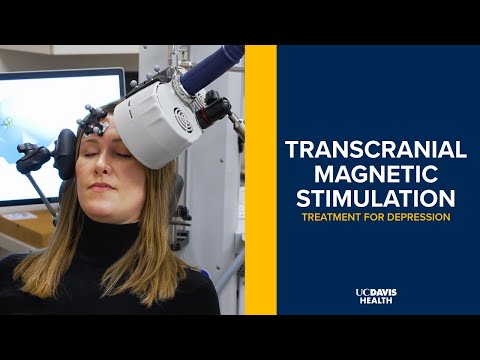
Now, TMS stands for **Transcranial Magnetic Stimulation**. This approach uses magnetic fields to stimulate nerve cells in the brain, particularly those involved in mood regulation—kind of like flipping a switch back on when things are dim.
How does TMS work?
During TMS sessions, you sit comfortably while a device sends magnetic pulses through your skull and into specific parts of your brain. You might feel some tapping sensations on your head, but most people say it doesn’t hurt at all.
One thing that sets TMS apart is its FDA approval for treating major depressive disorders when other treatments haven’t worked well enough. It’s been around longer, too—more established in clinics compared to SAINT.
So what’s really different?
- Treatment Method: SAINT uses electrical stimulation, while TMS relies on magnetic fields.
- Treatment Duration: SAINT often needs fewer sessions than TMS.
- FDA Approval: TMS has been around longer and has specific FDA approval for certain conditions.
Here’s the real kicker: both methods can be effective but serve different needs depending on what you’re experiencing emotionally. Some folks thrive with one approach over the other based on individual responses.
Your Experience Matters
When you’re considering these options, don’t forget that everyone’s journey with mental health is unique—kind of like how no two pizza toppings combinations are quite the same! Maybe you’ve tried traditional therapy before and felt like you were going in circles? Or perhaps medication just wasn’t cutting it?
Imagine feeling completely drained after months of trying different things until finally finding something that works—like discovering your favorite coffee shop after wandering lost for ages! That’s how transformative mental health treatments can be when they align perfectly with what you need.
In short, understanding SAINT versus TMS gives you insight into two innovative ways to tackle depression or other mood-related challenges. The key takeaway? Don’t hesitate to reach out and talk about which route may suit you best with a trusted healthcare professional; they’ll help guide you based on personal history and preferences.
Hope this helps clear up some confusion around these treatments!
Understanding the Timeline: How Long Does Saint TMS Take to Show Results?
When you’re looking into TMS, or Transcranial Magnetic Stimulation, it’s normal to wonder how long it takes to see results. Saint TMS can be pretty effective for mental health issues like depression, but the timeline can vary. Here’s the scoop on what you should expect.
First off, TMS isn’t a one-time thing. It’s typically delivered in sessions over several weeks. Most people go for treatment about five days a week for four to six weeks. That’s around 20 to 30 sessions in total! The idea is to stimulate areas of your brain that may not be functioning as they should.
Now, when can you start feeling something? A lot of folks start noticing changes within the first few weeks. So let’s break it down:
- Week 1-2: During these initial sessions, you might not feel any drastic shifts. Some people report feeling a bit more energized or less weighed down by their thoughts.
- Week 3-4: This is where things can get interesting. Many begin to notice more significant improvements in mood and overall well-being.
- Weeks 5-6: By this point, if TMS is working for you, symptoms may be greatly reduced—like the clouds finally parting after a storm.
A friend of mine went through Saint TMS treatment. She was super skeptical at first, having tried so many things before without success. But after a couple of weeks of treatment, she started waking up with a little more spark each day. It was like someone turned on the lights again.
Of course, everyone responds differently—you might feel better quicker or it might take longer. Some folks will need additional maintenance sessions afterward too.
It’s also crucial to keep an open line of communication with your provider throughout the process. They can help track progress and adjust treatments as needed since everyone’s journey is unique.
So yeah, while you’re waiting for results from Saint TMS, remember: patience is key! It’s all about giving your brain some time to adjust and heal from within.
So, let’s chat about this thing that’s been floating around in the mental health conversation lately—Saint Treatment approaches. You’ve probably heard about how some folks are finding comfort in these spiritual or faith-based practices when it comes to dealing with depression and mental health issues.
I remember a friend of mine, Sarah. She always seemed like she had it together—smart, outgoing, always down for coffee. But behind that smile, she was battling some dark clouds of depression. Therapy helped her but there was still something missing for her. One day, she stumbled upon a local support group that incorporated spiritual practices, and wow, what a game changer for her!
What does this look like? Well, the Saint Treatment approaches often emphasize community support and drawing strength from spiritual beliefs. Think of prayer, meditation or rituals that connect individuals to something bigger than themselves. It can feel grounding to know you’re part of a larger narrative or community.
But here’s the thing: not everyone vibes with spirituality or religion when they’re struggling. And that’s totally okay! Some people might feel more comfortable sticking to traditional therapy methods like cognitive-behavioral therapy (CBT) or medications. Both paths have their merits; it’s really about what resonates with you personally.
While the Saint Treatment path can bring hope and connection for some, others might find their healing elsewhere—like through physical activity or art therapy. Seriously, when I see someone paint their feelings out on canvas—it’s powerful!
So basically? If you’re exploring treatment options and feel drawn to spiritual elements—give it a shot! Whether through a church group or local gathering—it could just be what lifts those heavy weights off your shoulders. But if you find solace in more clinical approaches? That’s valid too! Everyone has their journey; it’s all about finding what helps you breathe a little easier each day.