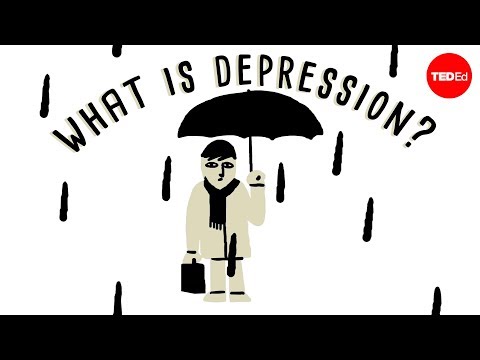
You know, depression can feel like this heavy fog. Just when you think you’re stepping out into the light, it rolls back in.
A lot of folks think they get it, but honestly? It’s way more complicated than just feeling sad.
Maybe you’ve had those days where getting out of bed feels like running a marathon. Or perhaps someone close to you is in that battle, and you just want to help.
Let’s break down what’s really going on with depression—no jargon, just real talk.
Comprehensive Guide to Mental Health and Substance Abuse: Download Your Free PDF Resource
Mental health and substance abuse are like two sides of the same coin. They often overlap, making it tricky to navigate both. When you’re dealing with depression, which is a common mental health condition, substance use can sometimes feel like a quick escape or, in some cases, a way to cope. But really, it complicates the whole situation even more.
First off, let’s break down depression a bit. It’s more than just feeling sad; you might experience feelings of hopelessness, fatigue, or just not wanting to do things you used to love. Can you relate? It’s like when your favorite song comes on but all you feel is that pushing weight on your chest instead of any joy.
Now, here are some crucial points about how mental health and substance abuse commonly interact:
- Co-Occurring Disorders: This is when someone has both a mental health issue and substance use disorder. For instance, if you’re diagnosed with depression and start using alcohol as a way to self-medicate, that can lead to a complicated cycle where neither issue gets properly addressed.
- Coping Mechanisms: Many people may turn to drugs or alcohol as a way to escape their feelings. It’s understandable but really becomes problematic when those substances become necessary for daily functioning.
- Impact on Treatment: If you’re trying to work through depression and using substances heavily at the same time, it can make therapy less effective. You follow me? The key here is understanding that tackling both issues is usually essential for recovery.
- Withdrawal Symptoms: Coming off substances can trigger or worsen depressive symptoms. You might think you’re solving one problem while losing ground on another.
When navigating through this mix of challenges, it’s super important to seek help from professionals who understand both sides of the spectrum—like therapists specializing in dual diagnosis treatments. They can provide strategies tailored specifically for you.
So let’s talk about treatment options briefly:
There are many ways to address mental health issues like depression alongside substance abuse challenges:
- Cognitive Behavioral Therapy (CBT): This approach helps change harmful thought patterns that lead to negative behaviors like substance use.
- Support Groups: Being part of groups such as Alcoholics Anonymous or Narcotics Anonymous gives you that community support which is incredibly valuable during tough times.
- Medication: Some folks may benefit from medications that treat both depression and help manage cravings or withdrawal symptoms.
Finding your path toward healing isn’t easy; it takes time and often involves many tries before finding what works best for you. Sharing experiences with folks who get it—whether through formal therapy or informal gatherings—can be life-changing.
You know how they say “a problem shared is a problem halved?” Well, there’s so much truth in that for those tackling mental health and substance abuse challenges together.
If you’re interested in diving deeper into resources around mental health and substance abuse—with comprehensive guides available—you might want to look out for free PDFs online that outline various approaches! Just make sure whatever information you find resonates with your personal experience and needs.
Life isn’t straightforward; it’s messy sometimes—and addressing these dual challenges takes immense courage. But remember: reaching out for help is always the first step towards understanding yourself better and finding healthier ways forward.
Exploring the Connection Between Sobriety and Mental Health: Pathways to Wellness
Sobriety and mental health are like two sides of the same coin, you know? When one improves, the other often follows suit. It’s a fascinating connection that many people don’t fully grasp. Let’s break it down a bit.
First off, let’s talk about sobriety. **Choosing sobriety** is more than just stopping drinking or using drugs; it’s about reclaiming your life. A lot of folks turn to substances to cope with underlying mental health issues like depression or anxiety. But here’s the kicker: while drugs might dull the pain temporarily, they don’t solve anything.
When you stop using substances, your brain starts to adjust. Here’s what happens: some areas of your brain begin to heal. It’s kind of like clearing out a messy room; once it’s clean, you can see what needs fixing. This healing can lead to improvements in mood and overall emotional stability.
Now, let’s dig into how this ties with depression. Sobriety can be a big game-changer for people dealing with depression. When you’re sober, you often have a clearer mind and better emotional regulation. Think about it—substances can mess with your brain’s chemistry, making depression feel even more overwhelming. When you’re not under their influence, you’re better equipped to face those feelings head-on.
Connection points between sobriety and mental health include:
- Improved mood stability
- Better coping strategies
- A clearer understanding of triggers
- A stronger support system
Take Jake, for example—a buddy of mine who struggled with both alcoholism and depression. At first, he thought drinking was helping him cope with his sadness. But honestly? It made everything worse. Once he decided to get sober, things started changing for him in ways he never expected.
At first, Jake was on an emotional rollercoaster—up one minute and down the next—but over time he discovered healthier ways to handle his feelings through therapy and mindfulness practices. He realized that facing his emotions without the crutch of alcohol allowed him to process them properly instead of pushing them down.
Support systems play a huge role too when it comes to sobriety and mental health. Being sober often opens up doors for new friendships—people who understand what you’re going through because they’ve walked that path too. Joining support groups like Alcoholics Anonymous (AA) or Seeking Safety can offer shared experiences that help in tackling both addiction and any related mental health issues.
But here’s something quite important: recovery isn’t always linear! There may be setbacks along the way; just look at Jake’s journey again—slips happen sometimes! But what matters is learning from those experiences instead of feeling defeated by them.
Transforming Lives: The Role of Mental Health in Addiction Recovery
is a huge topic because, let’s face it, mental health and addiction often go hand in hand. When someone struggles with addiction, it’s usually not just about the substance itself. There’s a whole emotional landscape going on underneath.
Addiction can be like this sneaky monster that whispers lies to you. You might feel alone, trapped, or even ashamed. But here’s the thing: addressing mental health is crucial for recovery. It’s like having a solid foundation when building a house—you need it to stand strong.
- Understanding Co-Occurring Disorders: Many people dealing with addiction also face mental health issues like anxiety or depression. This combo is known as co-occurring disorders.
- Tackling Triggers: Mental health treatment helps identify triggers that lead to substance use. Maybe it’s stress from work or feelings of inadequacy. Recognizing these triggers can empower you to manage them.
- Coping Strategies: Therapy teaches coping mechanisms that are healthy and effective. Instead of reaching for a drink when stressed, you could try mindfulness or exercise instead.
- Building Support Systems: Recovery isn’t a solo journey; it requires support from friends, family, and professionals. Groups like AA or NA often incorporate mental health aspects to help individuals heal holistically.
- The Power of Therapy: Approaches like cognitive-behavioral therapy (CBT) focus on changing negative thought patterns related to both mental health and addiction.
I remember chatting with a friend who struggled with alcohol use for years but didn’t realize they were also battling deep depression. Once they sought help for both issues, it was like watching someone slowly emerge from underwater—each session brought clarity and strength.
Focus on your emotions; getting to the root of the pain can be transformational. Issues like trauma could be fueling an addiction more than the substance itself ever did.
Incorporating self-care practices can also make a difference during recovery. Simple things—like getting enough sleep, eating well, or finding time for hobbies—can strengthen your mental resilience.
So yeah, while overcoming addiction is undeniably challenging, understanding its connection to mental health can light up pathways toward recovery—pathways filled with hope and healing.
Recovery isn’t about perfection; it’s more about progress and learning along the way. Embrace that journey! It might just take you places you never expected to go!
You know, depression can feel like this heavy fog that just rolls in and settles around you. It’s not always easy to see, but when it’s there, it can make everything seem dull and gray. I remember a friend of mine who went through a really tough time. She was always the life of the party, cracking jokes and lighting up the room. But then, suddenly, she started pulling back. At first, I thought she was just busy or maybe going through a phase. But one day over coffee, she opened up about feeling like she was trapped in her own mind—a prisoner to her thoughts—and man, that hit hard.
The thing is, depression isn’t always visible. Sometimes it wears a mask that makes it look like nothing’s wrong on the outside. You might have someone who looks totally fine at work or school but is struggling internally with feelings of hopelessness or despair. It’s tricky because those feelings can make people isolate themselves even more.
And there’s this myth floating around that depression is just about feeling sad—all you need to do is cheer up or think positive thoughts. But seriously? It’s way more complicated than that. Sometimes it manifests as irritability or fatigue instead of tears and deep sadness. You could feel entirely unmotivated even when things are going well around you; it’s like being stuck in quicksand while everyone else is running a marathon.
Navigating this maze involves understanding what you’re really dealing with—like recognizing triggers and patterns in your mood changes. Therapy can be a lifeline here; talking things out with someone who gets it makes a world of difference. It’s not an instant fix or anything; it takes time—kind of like tuning an old guitar until it sounds just right.
Medications can help some folks get out of that fog too—like turning on the lights after being in darkness for too long—but they aren’t for everyone and often come with their own set of challenges.
It’s important to remember there are ups and downs on this journey—some days will feel lighter while others might drag you down again unexpectedly. That rollercoaster ride can be exhausting! Yet connecting with others who understand your experience brings some hope back into focus again.
So if you find yourself navigating these complex waters—or know someone who is—try to keep talking about it, keep seeking support, and don’t shy away from getting help when needed—it really matters in the long run!