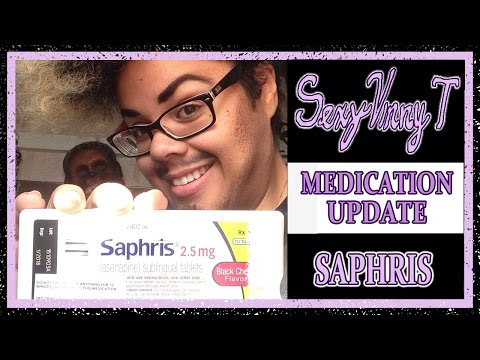
You know those nights when you just can’t sleep? Tossing and turning, feeling like your brain’s on a wild rollercoaster? Ugh, it’s the worst.
Well, saphris might be one of those meds that can help you chill out.
It’s not a magic pill, but it’s got some interesting stuff going on for mental health.
Let’s break it down together! You might just find something here that clicks for you or someone you care about.
Exploring the Effects of Saphris on Sleep: Can This Medication Improve Your Rest?
Okay, so let’s talk about Saphris and how it ties into sleep. Saphris is the brand name for a medication called asenapine, which is mainly used to treat bipolar disorder and schizophrenia. It’s an atypical antipsychotic, which means it works differently than older antipsychotics. But here’s where it gets interesting—some folks find that it helps with their sleep.
The connection between mental health and sleep is a big deal. If you’re dealing with stress, anxiety, or mood disorders, you might notice that your sleep takes a hit. And we all know that bad sleep can make everything worse—like creating a cycle that feels impossible to break.
So, how does Saphris come into play here? Well, one of the effects of asenapine is sedation. That’s right! It can make you feel sleepy or drowsy, which might help if you’ve been struggling to catch those ZZZs. A lot of people using Saphris report feeling more rested after they start taking it.
- Sedative Effect: Asenapine can help many wind down at night without feeling like they’ve been knocked out cold.
- Anxiety Reduction: Sometimes when you’re less anxious, you can slip into slumber more easily.
- Dosing Time: When taken in the evening or right before bed, many users find they have a smoother transition to sleep.
Now, let’s not sugarcoat everything—it doesn’t work for everyone. Some people might experience side effects like weight gain or metabolic changes. Others may find themselves grappling with weird dreams or grogginess the next day. So really listening to what your body tells you is crucial.
If you’re considering this medication for improving your sleep, it’s important to chat with your doctor about it first. They’ll help weigh the pros and cons based on your specific situation and mental health history.
Anecdotally speaking, I had a friend who was really struggling with her bipolar disorder and didn’t realize how much her rough sleep was impacting her day-to-day life. Once she started on Saphris, she noticed an improvement in her mood—and guess what? Better sleep followed suit! She told me that while she wasn’t counting sheep anymore; instead, she was dreaming dreams again!
In summary—Saphris could potentially be beneficial for improving your sleep as part of managing certain mental health conditions but keep in mind that everyone reacts differently to medication. Always stay in touch with your doctor during this process!
Exploring the Benefits of Saphris for Managing Anxiety: What You Need to Know
Anxiety can be a real pain, right? You’re not alone if you’ve ever felt that tight knot in your stomach or that racing heart. It can really mess with your daily life. That’s where medications like Saphris come in, but let’s chat about what it actually is and how it might help.
Saphris, or as it’s known by its generic name, asenapine, is mainly used to treat schizophrenia and bipolar disorder. However, some doctors prescribe it off-label for anxiety because of its calming effects. Basically, it helps chill you out. But hold on—understanding the *how* and *why* of its use for anxiety is pretty key.
So what happens when you take this medication? It works by balancing certain chemicals in the brain—specifically serotonin and dopamine. When these neurotransmitters are more balanced, many people report feeling less anxious and more at ease with life’s challenges.
Many folks have found that taking Saphris not only helps with their anxiety but also improves their sleep quality. Hey, we all know sleep and anxiety are like best buddies—when one’s off, the other usually follows suit! A good night’s sleep can make a world of difference in how we cope with stress during the day.
Here are some benefits you might want to consider:
- Rapid Onset: Some people feel the calming effects fairly quickly after starting treatment.
- Improved Sleep: Better sleep means better mood! You might notice you’re less irritable or overwhelmed.
- Mood Stability: Reducing anxiety symptoms can help stabilize your overall mood.
- Less Sedation: It typically causes less daytime drowsiness compared to other anti-anxiety meds.
But let’s not sugarcoat everything here—like any medication, Saphris comes with potential side effects. Some common ones include weight gain and dizziness; others might find they feel a bit sleepy during the day. It’s super important to chat with your doctor about these things before diving in.
Here’s something to keep in mind: Finding the right medication isn’t always straightforward. Everyone responds differently, so what works for one person may not work for another. Sometimes it takes a bit of trial and error to see what fits best for you.
When considering using Saphris or any other medication for anxiety management, don’t hesitate to reach out to your healthcare provider. Keeping an open line of communication about how you’re feeling is crucial—they’re there to help guide you through this process.
In short, while Saphris offers some promising benefits for managing anxiety and improving sleep quality, working closely with your doctor can help ensure you’re making the best choices for your mental health journey. So take that step and get empowered about your mental health—you deserve it!
Essential Tips: What to Avoid While Taking Saphris for Optimal Mental Health
So, you’re taking Saphris, huh? That’s an atypical antipsychotic often prescribed for conditions like schizophrenia or bipolar disorder. It’s great that you’re looking out for your mental health! But there are some important things to keep in mind while you’re on it.
- Avoid Alcohol: Mixing alcohol with Saphris can seriously mess with how the medication works. You might feel more sedated or dizzy than usual. Not the best combo for your mental clarity, right?
- Watch Out for Other Medications: If you’re on other drugs, tell your doctor! Some meds don’t play nicely with Saphris. It’s like trying to mix oil and water—it just doesn’t work.
- Limit Caffeine: While a little caffeine might seem harmless, too much can increase anxiety or make it harder to sleep. Given that Saphris can affect sleep patterns, balancing your caffeine intake is smart.
- Don’t Skip Doses: Consistency is key! Missing doses can lead to withdrawal symptoms or a return of your original symptoms. If you forget a dose, don’t double up; just take your next one as scheduled.
- Be Mindful of Diet Changes: Sudden weight gain is a possible side effect of Saphris. Eating junk food might make things worse. Try focusing on balanced meals instead—your body will thank you!
Let me share something personal here. A friend of mine started taking Saphris and didn’t really pay attention to what they were eating. They thought everything was fine until they noticed their energy levels dropping and they felt emotionally off-balance. Once they adjusted their diet and followed the doctor’s advice about consistency, things started turning around.
The thing is, these tips may feel like common sense, but when you’re in the thick of it, it’s easy to lose sight of them. Staying aware of how medications interact in your body plays a big role in feeling good overall.
And remember—keeping an open line with your healthcare provider is super important! They’re there to help guide you through this journey and make sure you’re getting the most out of your treatment.
You know, when it comes to mental health, sleep is like that unsung hero. Seriously, we often underestimate how much a good night’s sleep can impact our mood and overall well-being. So, let’s chat about this medication called Saphris and the role it plays in helping folks catch those Zs.
Saphris, or as its fancy name goes, asenapine, is primarily known for its use in treating conditions like bipolar disorder and schizophrenia. But what’s kind of cool about it is that one of the things it tends to do is promote sleep. It works on some receptors in the brain that can help calm your mind down, which is super helpful if you’re dealing with racing thoughts or anxiety before bedtime.
I remember my friend Liam, who struggled with his mental health for years. He often told me about the endless nights spent staring at the ceiling, just wishing he could drift off into dreamland. When he started taking Saphris after trying a bunch of different meds that didn’t work for him, he suddenly found himself able to sleep a little better. The relief on his face was something else—like finding an old toy you thought you lost forever!
But here’s the thing: not everyone responds to medications in the same way. What works for one person might not be effective for another. That’s why it’s so important to have open conversations with your healthcare provider and find what suits you best.
Also, while Saphris can help with sleep issues linked to certain mental health conditions, it’s not really marketed as a sleep aid per se. So if you’re just looking for something to knock you out at night without any underlying mental health concerns—it may not be your first choice.
In a nutshell, medications like Saphris can definitely play a role in addressing sleep problems related to mental health challenges. But always remember—it’s about finding balance and figuring out what really works for you personally. And hey! Don’t forget—good sleep hygiene practices also go hand-in-hand with any medication journey you might be on!