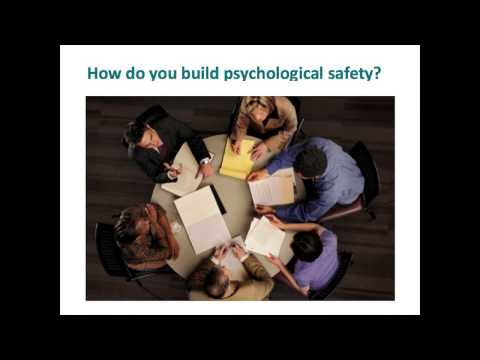
Okay, let’s chat about something really cool—psychological safety. You know, that feeling where you can be yourself without worrying about judgment? It’s super important, especially in teams.
Now, have you ever felt like you had to hold back what you really think? Like in a meeting where everyone else seems to get along but you’re just sitting there sweating it out? Yeah, not fun.
Here’s the thing: we can actually create a space where everyone feels comfortable sharing their thoughts. It’s all about SCARF awareness. No, not the cozy winter accessory!
SCARF stands for Status, Certainty, Autonomy, Relatedness, and Fairness. Sounds fancy but it’s pretty simple once you break it down. These are key elements that help people feel safe in a group setting.
So imagine walking into work and feeling totally at ease. You get to voice ideas without freaking out that someone might shoot them down. That’s what we’re aiming for here!
Enhancing Workplace Well-being: The Importance of SCARF Awareness for Psychological Safety
Enhancing Workplace Well-being is more than just a trendy phrase. It’s about creating an environment where everyone feels safe, valued, and inspired to do their best work. One of the keys to achieving this is through understanding the SCARF model, which stands for Status, Certainty, Autonomy, Relatedness, and Fairness. Each of these elements plays a crucial role in fostering psychological safety at work.
Status refers to how we perceive our social standing compared to others. When you feel like your contributions are valued and recognized, you’re less likely to feel anxious or insecure. For instance, if someone on your team regularly praises your input during meetings or gives shout-outs in emails, it boosts your status and makes you feel appreciated.
Next up is Certainty. This one’s all about predictability in the workplace. When you know what’s expected of you and what’s going on around you—like upcoming projects or changes—your mind can rest easier. Imagine working in an office where management communicates clearly about goals and changes instead of leaving everyone guessing; you’d probably feel much more secure and focused.
Now let’s talk about Autonomy. Everyone loves having some control over their own work environment and tasks. When you have a say in how you do your job—maybe choosing your projects or deciding when to take breaks—you’re likely going to be more engaged and motivated. It’s like when you plan a weekend getaway; the freedom to choose how it unfolds makes it way more enjoyable!
Relatedness is important too because humans are social creatures at heart. We thrive when we have good relationships with our coworkers. Feeling connected can help reduce stress levels! Think about how comforting it feels when someone from work takes interest in your life outside the office; that connection fosters trust and teamwork.
Finally, there’s Fairness. It’s super important that people perceive the workplace as fair in terms of opportunities and treatment. If employees feel that resources are distributed equitably—like workload or recognition—they’re more likely to stick around and contribute positively.
Incorporating SCARF awareness into everyday practice can significantly enhance workplace well-being by improving psychological safety for everyone involved.
- Status: Recognize contributions regularly.
- Certainty: Communicate openly about expectations.
- Autonomy: Allow choices in tasks.
- Relatedness: Foster connections among team members.
- Fairness: Ensure equitable treatment for all.
When teams actively implement SCARF principles, they create an atmosphere that not only benefits individual mental health but also enhances overall team performance—making it a win-win situation for everyone involved! So just think of how much better things could be if workplaces really leaned into this understanding!
Enhancing Workplace Well-Being: Understanding the SCARF Model for Psychological Safety
So, let’s chat about the SCARF model. It’s a cool framework that helps us understand what affects our sense of well-being at work. This model focuses on five key elements: Status, Certainty, Autonomy, Relatedness, and Fairness. When you put these into practice, you can seriously enhance psychological safety in the workplace.
Status is all about feeling valued and recognized. You know that moment when your boss praises your hard work? It boosts your confidence, right? But if you feel overlooked or “less than” others, it can really hurt your motivation. That’s why it’s crucial to celebrate everyone’s contributions, no matter how small.
Then there’s Certainty. This one deals with our need to predict the future. When you’re unsure about job security or upcoming changes in the company, anxiety can skyrocket. Think of it like walking on ice—if you’re unsure if it’ll hold you up or not, every step feels risky. To tackle this, leaders should strive for transparent communication and be upfront about any shifts or challenges ahead.
Now we have Autonomy. People want to feel they have some control over their work lives. If you’re constantly micromanaged or told exactly how to do your job, it can be stifling! A good manager gives you room to breathe—to make choices and decisions on your own terms. This kind of freedom fosters creativity and commitment.
Let’s talk about Relatedness, too. Humans are social creatures; we crave connection with coworkers. A workplace that encourages camaraderie makes us feel safe to share ideas and concerns without fear of judgment. You know that feeling when you click with someone at work? It builds trust and enhances collaboration like nothing else.
Lastly, there’s Fairness. Everyone deserves to feel treated justly at work. Workplace favoritism or bias can create a toxic environment where people are constantly looking over their shoulders in suspicion of others’ motives. Promoting fairness means establishing clear policies and practices that everyone knows and understands.
So basically, if organizations focus on these five aspects—status recognition, certainty through communication, autonomy in tasks, building relatedness among team members, and ensuring fairness—they’re not just enhancing individual well-being but also promoting a more positive overall workplace culture.
Creating psychological safety through SCARF awareness isn’t just a nice-to-have; it’s essential for a thriving workforce! That’s the key takeaway here: when people feel safe mentally and emotionally at work, everybody wins—getting more done while enjoying the ride!
Understanding the SCARF Model: Practical Examples for Enhancing Workplace Engagement
The SCARF model is all about understanding our social needs at work. It stands for Status, Certainty, Autonomy, Relatedness, and Fairness. Each of these elements can seriously impact how engaged you feel in your job. Let’s break this down a bit.
Status refers to how we view our position compared to others. Imagine two coworkers: one constantly gets praised while the other feels overlooked. The latter might struggle with motivation because their status feels threatened. To boost status, it helps to recognize everyone’s contributions, no matter how small. A simple shoutout in a meeting can do wonders!
Certainty is all about knowing what’s coming next. If you’re in a chaotic environment where priorities shift daily, it’s tough to feel safe or engaged. Leaders can enhance certainty by clearly communicating goals and expectations. For example, regular updates on projects help keep everyone in the loop.
Then there’s Autonomy. This one is key! People want to feel like they have some control over their work lives. A manager who micromanages can stifle creativity and engagement like nobody’s business. Instead, allowing employees to make decisions about their tasks or projects fosters a feeling of ownership and boosts motivation.
Next up is Relatedness. Humans are social creatures! When you feel connected with your team, work feels less daunting. Think of office events or team-building activities that encourage bonding—these moments build trust and create a sense of belonging.
Finally, we have Fairness. Feeling treated unfairly? That can kill engagement fast! Employees want transparency in decisions like promotions or resource allocation. It’s essential for leaders to communicate openly and ensure everyone feels valued equally.
Psychological safety comes into play here too! When people feel safe expressing their ideas without fear of judgment or retaliation, it leads to improved collaboration and creativity.
In short, being aware of the SCARF model and applying its principles can transform workplace dynamics into something more positive and engaging! Create an environment where people feel recognized, informed, empowered, connected, and treated fairly—this will elevate not just individual morale but the entire team’s performance as well!
You know, creating a safe space for people to express themselves is super important, especially in any team or group setting. I mean, think about it—when you feel safe, you’re more likely to share your ideas and opinions, right? That’s where SCARF comes in. It’s this cool framework developed by David Rock that really breaks down what helps us feel safe psychologically.
SCARF stands for Status, Certainty, Autonomy, Relatedness, and Fairness. Each of these elements touches on something really fundamental about what we need to feel secure around others. For example, when someone feels their status is threatened—maybe a colleague gets recognition for work that you did—it can spark feelings of anxiety or defensiveness. That just doesn’t help anybody.
Let’s take a moment to chat about autonomy. When people feel like they have control over their choices at work or in a group project, there’s this empowerment that happens. You know how it feels to have the reins in your own hands? It’s invigorating! But when decisions come down from above without input from everyone involved? Well, that can suck the energy out—like being told what to do without a say in it.
And then there’s relatedness; humans are social creatures after all. I remember this one time during a group project where I was feeling totally disconnected from my teammates because no one was engaging with me—almost like being on an island. The moment we started sharing stories and personal experiences? Everything changed! Suddenly we were all more connected and comfortable contributing.
Fairness is another biggie. We all want to feel like things are equitable in our interactions with others. If someone feels like there’s favoritism going on? Oof—that creates tension and distrust real quick.
The thing is, awareness of these SCARF elements can have such a profound impact on how we interact with each other day-to-day. When you’re mindful of them—like actively practicing fairness or fostering connections—you start creating environments where everyone feels valued and heard.
So yeah, the whole concept really highlights how little things can make a big difference in creating psychological safety for everyone involved. It makes you think about your own role too; being aware can help nudge the whole atmosphere toward something more supportive and collaborative!