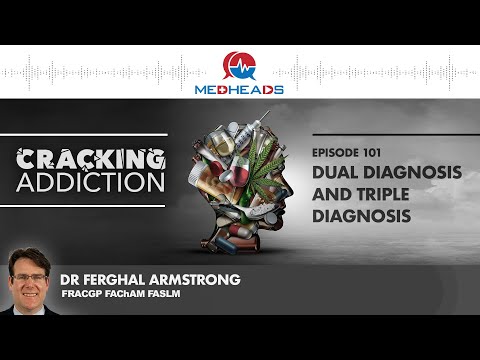
Schizophrenia and addiction, huh? Sounds like a tough combo. You’re not alone if you’ve ever felt overwhelmed trying to figure out how those two fit together.
Imagine struggling with your thoughts one minute, then reaching for something to help you forget the chaos the next. It’s a cycle many face. Seriously, it can feel like being stuck in quicksand.
So, let’s break it down a bit. How do these challenges play off each other? What can you do if you or someone you love is dealing with both?
It’s a wild ride, and understanding it is step one.
Understanding the 25 Rule for Schizophrenia: A Comprehensive Guide to Its Impact on Mental Health
Schizophrenia can feel like a confusing maze for many people. And when you throw addiction into the mix, navigating that maze gets even trickier. You may have come across something called the **25% Rule**, which is important in understanding how schizophrenia interacts with addiction.
So, what exactly is the 25% Rule? Well, it’s basically a guideline that suggests about 25% of people with schizophrenia may also struggle with a substance use disorder. That means they’re not just dealing with the symptoms of schizophrenia but also the challenges of addiction. Imagine trying to find your way through a foggy field while carrying a heavy backpack; that’s kind of what it feels like.
- Dual Diagnosis: This phrase pops up often in discussions around mental health. It refers to when someone has both a mental illness and a substance use problem. For those diagnosed with schizophrenia, having this dual diagnosis can seriously complicate treatment.
- Higher Risk: It’s not just about numbers—people facing both issues might experience more severe symptoms and worse outcomes. For example, they could find it harder to stick to their medication or therapy routines because substances can amplify feelings of paranoia or anxiety.
- Treatment Challenges: Treating someone who has both schizophrenia and an addiction is tough. Medications used for one condition might not work well with another, or worse, they could interact negatively. Think about trying to solve two puzzles at once while only having pieces from one box—frustrating, right?
Now let’s talk about why someone with schizophrenia might turn to drugs or alcohol in the first place.
For many, substances can seem like a way to escape their harsh realities or manage unwanted symptoms like hallucinations or paranoia. But here’s the thing: substances usually make those symptoms worse over time.
For instance, maybe someone starts using marijuana thinking it’ll help quiet the voices they hear, but after a while, they’re hearing even more intense ones and having trouble telling what’s real anymore.
It’s easy to see how things can spiral out of control. The stress of managing multiple health issues takes its toll emotionally and physically.
Treatment approaches become super important here! A good supportive network plays an essential role in recovery from both conditions. Therapies tailored specifically for individuals facing dual diagnoses are vital. These include Cognitive Behavioral Therapy (CBT) aimed at changing negative thought patterns and helping build coping skills without relying on substances.
Additionally, support groups where people share similar experiences can be golden opportunities for connection and understanding.
Dealing with the **25% Rule** is no small feat—it requires compassion and tailored strategies to meet individuals where they are in their journey. Recovery isn’t one-size-fits-all; it takes time and effort from both individuals and professionals working together.
The challenges are real but manageable! With dedication, proper support systems, and effective therapies in place, many people find ways to navigate this tricky combo of schizophrenia and addiction successfully. It’s all about finding your path through that foggy field!
Effective Strategies for Supporting Someone During a Schizophrenic Episode
Supporting someone during a schizophrenic episode can be really challenging, especially if they’re also dealing with addiction. But you can definitely make a difference. The key is to approach the situation with empathy, understanding, and clear strategies.
Stay Calm and Grounded: Your demeanor matters a lot. When someone is experiencing an episode, they might be feeling intense fear or confusion. Try to keep your tone soothing and your body language open. If you’re anxious, they might pick up on that vibe.
Create a Safe Space: It’s crucial to provide a physical environment that feels safe. Remove anything that could potentially cause harm and try to minimize noise or distractions. Maybe dim the lights or play some soft music if it helps.
Listen Without Judgment: Sometimes just being there to listen can be incredibly supportive. Let them express their feelings without feeling judged or dismissed. You don’t need to have all the answers; just being present is often enough.
Use Simple Language: During an episode, cognitive functioning may be impaired. So try using short sentences and clear language when you talk. Avoid complex phrases or too much information at once—it can be overwhelming.
Encourage Professional Help: It’s vital that they stay connected with mental health professionals—they know the best ways to treat schizoaffective disorders, especially when combined with addiction issues. If they’re open to it, help them reach out for support: whether it’s therapy or medication management.
Set Boundaries: While supporting someone is important, taking care of yourself is equally crucial. Set healthy boundaries about what you can handle emotionally and physically. It’s okay to step back if you need a break—this is tough work!
Avoid Substance Triggers: If addiction is part of the picture, keeping substances out of sight can help reduce cravings during episodes. Discussing triggers openly when things are calm can help create awareness around what needs avoiding during hard times.
Develop Coping Strategies Together: Before an episode happens—when things are calmer—work together on developing coping mechanisms like deep breathing exercises or grounding techniques like focusing on physical sensations (e.g., feeling their feet on the ground).
Remember that recovery takes time; it’s a journey full of ups and downs. Stay patient but don’t hesitate to reach out for help yourself if the situation becomes too overwhelming—it’s really important to prioritize your own mental health too!
Understanding Factors That Can Worsen Schizophrenia: Key Triggers and Insights
Schizophrenia can be a real tough road to walk down, and sometimes, various factors can make it even harder. You know, there are certain triggers that can worsen symptoms or lead to challenges that come along with this condition.
First off, stress is a huge player in this game. When you’re feeling overwhelmed—whether it’s from work, relationships, or just life throwing curveballs—your symptoms can flare up. Think of stress as that annoying friend who always shows up uninvited and just doesn’t help the situation.
Substance use is another biggie. It’s like mixing oil and water; they just don’t go together well. For lots of people with schizophrenia, using drugs or alcohol can lead to more severe symptoms or even trigger psychotic episodes. So when someone tries to cope by self-medicating with substances, they’re often digging themselves deeper into the hole.
Then there’s sleep deprivation. Not getting enough shut-eye? Yeah, that’s another factor that can mess with both your mental state and your ability to handle symptoms effectively. Lack of sleep tends to amplify feelings of paranoia and confusion. Imagine trying to think clearly after pulling an all-nighter—it’s not pretty!
And really, how you’re treated in society plays a role too. Stigma surrounding mental health can make people feel isolated or ashamed about their condition. If you’re afraid to reach out for help because of what others might think, those feelings could increase anxiety and worsen your overall situation.
Support systems matter a lot as well. Having friends or family who understand what you’re going through makes a difference. But if those connections are weak or absent? That could seriously hinder recovery efforts.
Also, let’s not forget about medication non-compliance. Sometimes folks stop taking their meds because of side effects or feeling better—when in reality sticking to them is so important for managing schizophrenia effectively.
Basically, navigating schizophrenia isn’t just about one aspect; it’s more like juggling multiple balls at once! When you throw in addiction on top of that? Well, now you’ve got an even bigger challenge on your hands.
So remember: understanding these triggers is key for managing schizophrenia better. It’s not just about fighting the symptoms but also recognizing the stuff in life that can make everything worse!
Schizophrenia and addiction together can feel like trying to climb a mountain with two backpacks stuffed full of rocks. It’s heavy, exhausting, and honestly, not everyone gets why it’s so tough. Imagine dealing with the overwhelming thoughts and perceptions that come with schizophrenia while also battling an addiction that pulls you back every time you try to move forward. It’s like one challenge is constantly feeding off the other.
Take someone I know—let’s call him Mark. He was in his twenties when he first started hearing voices, which felt like a nightmare. At first, he thought it was just stress or being overwhelmed by life’s demands. But the voices didn’t go away; they got louder and more demanding over time. To cope, he turned to alcohol. It felt like a quick escape at first but soon became yet another source of chaos in his life.
For people like Mark, this dual challenge means navigating those murky waters of mental health while also fighting against addiction. Each day can be unpredictable; sometimes the voices are more manageable, and other times they’re just unbearable. And then there’s the constant temptation of substance use—alcohol or drugs might dull those voices for a moment, but afterward? Well, it often makes everything worse.
The tricky part is that schizophrenia can make recovery from addiction so much harder. Traditional treatment programs sometimes don’t address both issues simultaneously, which leaves many feeling lost in the shuffle. You might end up quitting one only to have the other spiral out of control, leaving you feeling even more hopeless.
But there is hope! Integrated treatment options are popping up more frequently, focusing on both mental illness and addiction together. This means working with professionals who understand how these two lives intertwine—not just trying to put a Band-Aid on one wound while ignoring the other.
It’s important for loved ones of people struggling with these challenges to really listen without judgment. A small gesture or genuine understanding can make all the difference when someone feels weighed down by such heavy burdens.
Mark’s journey isn’t unique; many are navigating this dual reality every day. By focusing on comprehensive care that respects both sides of this struggle—the schizophrenia and the addiction—we can create paths toward healing that truly support people in their fight for better lives. There’s strength in acknowledging how tough things can get—and even greater strength in reaching out for help when it feels too heavy to carry alone.