You know, schizophrenia is one of those terms that gets thrown around a lot, but it’s often misunderstood.
It can be super heavy—like, really overwhelming for anyone dealing with it or even just trying to understand. But here’s the kicker: life expectancy for folks with schizophrenia can be pretty complicated.
It’s not just about the diagnosis; there are all these layers to peel back. It’s like a giant onion of mental health.
So, let’s chat about how this condition impacts lives, and what we should know about the bigger picture surrounding health and longevity. Believe me, there’s a lot more to this than meets the eye!
Exploring the Impact of Schizophrenia on Life Expectancy: Key Insights and Findings
Schizophrenia is a complex mental health condition that can really shake things up in a person’s life. And one of the concerning aspects of it is how it affects life expectancy. Basically, people with schizophrenia tend to have shorter lifespans compared to the general population. There are several key reasons for this.
First off, individuals with schizophrenia often face **higher rates of physical health issues**. Heart disease, diabetes, and respiratory illnesses are more common among this group. These conditions can severely impact life expectancy, and unfortunately, they don’t always get the attention they need when someone is managing a mental illness.
Another big factor is **lifestyle choices**. With schizophrenia, symptoms like social withdrawal and cognitive challenges can make it tough to maintain healthy habits. You know how sometimes just getting out of bed feels like climbing a mountain? That’s what many dealing with schizophrenia face daily. This can lead to poor diet, lack of exercise, and even smoking or substance use—all things that take a toll on overall health.
On top of that, there’s the issue of **access to healthcare**. Many people with schizophrenia struggle to find consistent and appropriate care due to stigma or simply not having resources available. This means they might miss out on important check-ups or treatments that could help manage their physical health conditions.
And let’s not forget about **suicide risk**. Unfortunately, individuals with schizophrenia have a higher likelihood of suicidal thoughts and behaviors compared to those without mental health issues. Things like feeling isolated or overwhelmed by their condition can drive this risk up significantly.
There’s also something called **medication effects** at play here. Some medications used for treating schizophrenia may lead to weight gain or other side effects that can increase risks for various diseases over time. So while these medications are crucial for managing symptoms, they come with their own set of challenges.
In summary, the impact of schizophrenia on life expectancy is multi-faceted and tied closely to both physical health issues and lifestyle factors. The combination of medical challenges and difficulties in accessing care contribute significantly to shorter lifespans for those affected by this serious condition.
But there’s hope! With advances in treatment approaches—like integrated care models that address both mental and physical health—there’s potential for improving outcomes over time. So yeah, awareness about these factors is super important if we want to change the narrative around schizophrenia and life expectancy!
Understanding the Leading Cause of Death in Individuals with Schizophrenia: Insights and Implications
Schizophrenia is a complex mental health condition that can really impact a person’s life in many ways. One of the more troubling aspects of living with schizophrenia is its connection to a significantly shorter life expectancy. Seriously, people with this condition often face a higher risk of dying from various causes compared to the general population. Let’s break down some of the leading contributors to this issue.
Physical Health Issues
Individuals with schizophrenia are often at a greater risk for physical health problems, like heart disease and diabetes. This can be due to several factors, including poor diet, sedentary lifestyle, and sometimes even the side effects of antipsychotic medications. You see, these meds can lead to weight gain and metabolic changes that mess with your body in unexpected ways.
Substance Use
A lot of folks with schizophrenia might turn to drugs or alcohol as a way to cope with their symptoms. This isn’t just a personal struggle; it can seriously impact overall health too. Substance abuse makes it harder for them to stick with treatment plans or take care of their bodies properly. The combination could lead to overdose or other health complications.
Social Factors
People living with schizophrenia often experience social isolation and stigma. This lack of support can contribute to neglecting their health needs. Imagine feeling so alone that you don’t even think about going to the doctor when you’re not well—it’s rough out there.
Lack of Access to Care
Another big hurdle is access to quality healthcare services. Many individuals don’t get regular check-ups or screenings that could catch issues early on. And when you throw in financial difficulties or transportation problems? Well, it gets even trickier.
Coping Mechanisms
Coping strategies play a huge role in how someone manages their condition. Some may not have effective ways to deal with stress and symptoms, leading them down paths that further jeopardize their health—like ignoring medication or avoiding help altogether.
To put this into perspective, think about someone named Alex who battles schizophrenia but struggles with weight gain from medication side effects and isn’t getting enough exercise because he feels anxious outside his home. He’s also using alcohol as a way to numb his feelings after being shunned by friends due to stigma surrounding his illness. It’s sad because all these factors together could lead him into serious trouble if he doesn’t find support soon.
In sum, understanding how these elements intertwine helps not just those affected but also family members and friends trying to offer support. Recognizing the reality behind **why** people with schizophrenia often face higher mortality rates opens up conversations for better care options and more comprehensive strategies toward improving overall well-being—and that’s something we should all strive for!
Understanding the Most Common Causes of Death in Schizophrenia: Key Insights for Mental Health Awareness
Schizophrenia can really mess with a person’s life, and it can be super challenging to understand how it affects health in the long run. This condition doesn’t just impact mental health; it can also lead to some serious physical health problems that can shorten life expectancy. Let’s break down what’s going on here.
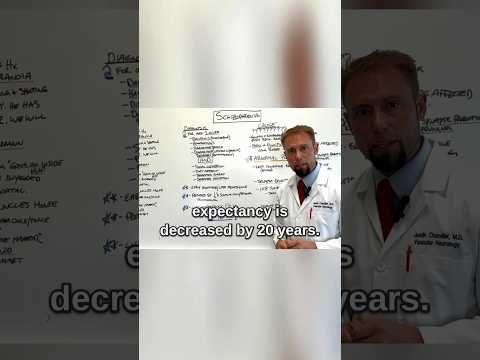
First off, **people with schizophrenia have a higher risk of dying earlier than the general population**. On average, studies show that individuals with this mental illness may lose about 15-20 years off their life expectancy. Crazy, right? But why does this happen?
Well, one of the main causes is **physical health issues**. Many folks with schizophrenia struggle with conditions like heart disease, diabetes, and obesity. The symptoms and side effects of medications can lead to unhealthy lifestyle choices too. For example, some people may find it hard to maintain a balanced diet or get enough exercise because their focus is often on managing symptoms rather than their overall well-being.
Another big factor is **substance abuse**. You see, many individuals with schizophrenia might turn to alcohol or drugs as a way to cope with their symptoms or just trying to escape from reality. This can lead to overdose or complications related to those substances, which definitely isn’t good for health.
Plus, let’s not forget about **suicide**, which has a significantly higher prevalence in people dealing with schizophrenia compared to the general population. The emotional pain and feelings of isolation can be overwhelming at times. It’s heartbreaking when someone feels like there’s no way out.
And you know what? There’s also the issue of **stigma** around mental illness which plays a role here too. People might avoid seeking help due to fear of being judged or misunderstood. This lack of proper medical care and support can worsen physical conditions that could be managed otherwise.
So basically, if we want to improve life expectancy for those living with schizophrenia, there are key areas we need to address:
- Improve access to physical healthcare.
- Promote healthy lifestyles, like diet and exercise.
- Increase awareness about substance abuse and provide support.
- Encourage open conversations about mental health without stigma.
By focusing on these aspects, we’d not only enhance quality of life but potentially increase lifespan too—a win-win! It’s tough out there for people battling schizophrenia, so let’s do what we can—support them while they navigate their world.
Schizophrenia is one of those conditions that feels shrouded in mystery for a lot of folks. It often gets a bad rap in movies and media, painting a picture that’s, well, pretty skewed. You know? When you hear the word “schizophrenia,” you might imagine someone with wild delusions or extreme paranoia. But really, it’s so much more complex than that.
Take my friend Jake, for example. He was diagnosed with schizophrenia in his early twenties. His experience wasn’t about being constantly out of touch with reality, but rather managing everyday life while grappling with intense feelings and thoughts. For him, the challenge was more about finding stability amidst the chaos than anything straight out of a horror flick. And I think that’s key to understanding what schizophrenia truly is.
Now, when we talk about life expectancy related to schizophrenia, things get pretty grim. Studies suggest people with this condition may have a shorter lifespan—sometimes by as much as 10 to 20 years compared to those without it. That’s shocking! But it doesn’t just come down to the illness itself; there are so many factors at play here.
For one, individuals facing this mental health challenge often deal with stigma and discrimination which can lead to isolation—a killer for both mental and physical health. Also, there are higher rates of co-occurring issues like addiction or other medical problems that can complicate things even further. Imagine being in Jake’s shoes: battling not just the voices or anxiety but also trying to navigate friendships and job hunting in a world that doesn’t always understand him.
Access to quality care plays a huge role too. If someone isn’t getting proper treatment or support—whether it’s therapy or medication—they’re at higher risk for all sorts of complications that could impact their health over time. And let’s be real; regular check-ups aren’t exactly on the forefront of someone who feels overwhelmed by their own mind.
But here’s something hopeful: awareness is growing! More folks are starting to recognize how vital support systems are for anyone dealing with mental health conditions—even those living with schizophrenia. It’s encouraging to see advocacy groups pushing for better access to care and breaking down stigmas.
In the end, while dealing with schizophrenia can affect life expectancy due to various challenges, understanding and compassion from everyone around can make a massive difference in improving quality of life—not just for individuals like Jake but for countless others working through similar battles every day. So let’s keep talking about it!