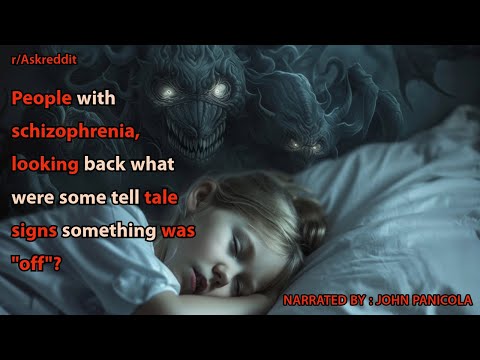
Hey, ever stumbled across those wild threads on Reddit about mental health? I mean, seriously, some of them are like a deep dive into another world.
So, let’s chat about schizophrenia and those crazy delusions people share. It might sound heavy, but it’s actually pretty fascinating.
You know how sometimes you feel totally lost in your own head? Imagine that cranked up to eleven. People post their experiences and thoughts—raw and real.
And honestly, it gives a glimpse into how diverse these experiences can be. Like, reading through them is both eye-opening and a bit unsettling. You follow me?
We’re gonna explore this weird community where folks connect over their struggles and victories. Buckle up!
Confronting Delusions: Is It Helpful to Tell Someone They’re Delusional?
When someone you care about is experiencing delusions, it can be tough figuring out what to say or do. I mean, confronting someone and telling them they’re delusional is a pretty heavy thing. It’s not like you want to make things worse or hurt their feelings. So, let’s break it down.
Understanding Delusions
First off, let’s talk about what delusions are. Basically, they’re false beliefs that don’t change even when someone presents evidence against them. Like, if your friend thinks they’re being watched by aliens no matter how much you try to convince them otherwise, that’s a delusion. It’s super common in mental health conditions like schizophrenia.
Why Confrontation Can Be Problematic
Telling someone they’re delusional might come off as invalidating or dismissive. You know how it feels when someone brushes off your feelings? It can be really frustrating! So if you just point out that their belief is wrong without empathy, it might lead them to feel more isolated.
Also, confrontation can increase defensiveness. Imagine this: you’ve been feeling really anxious about something, and when a friend says “You’re just overreacting,” isn’t it like putting up walls? The same thing happens with delusions; the person might dig in deeper rather than reconsider what they believe.
Alternative Approaches
Instead of outright confrontation, think about gentle ways to engage with the person’s experience. For example:
- Listening: Sometimes just being there and hearing them out goes a long way.
- Asking Questions: Instead of saying “That’s not true,” try asking questions that lead them to reflect on their beliefs.
- Empathy: Show understanding for what they’re feeling. Saying something like “It sounds really tough for you” shows you care.
Emphasizing Support
What often works is offering support rather than correction. If your friend trusts you enough to talk about these beliefs, maybe suggest they speak with a mental health professional together or look into therapy options. This approach combines compassion with the recognition that help from experts can truly make a difference.
Of course, there are times when direct intervention becomes necessary—especially if someone’s safety is at risk due to their delusions or if they’re unable to care for themselves appropriately. It’s all about finding that balance between honesty and kindness.
In short, engaging with someone experiencing delusions requires patience and empathy more than anything else. Letting them know you’re in their corner could encourage openness without causing additional distress or defensiveness!
Understanding Delusions: Can They Ever Fade Away?
Delusions can feel like a heavy backpack that just won’t come off. They’re persistent false beliefs that can really mess with someone’s perception of reality. It’s not simply a matter of being stubborn or refusing to see things differently; for people dealing with conditions like schizophrenia, these thoughts are genuinely real in their minds.
Now, can delusions fade away? Well, the short answer is yes, but there’s more to it than that. Let’s break this down a bit.
What Are Delusions?
Delusions are beliefs that don’t align with reality. Imagine thinking you’re being followed by aliens when there’s absolutely no evidence of it—totally intense and confusing, right? People might think they have special powers or that they’re in danger from some invisible threat.
Why Do They Happen?
Delusions often pop up in the context of mental health conditions like schizophrenia or severe mood disorders. Stressful life events or trauma can also kickstart these beliefs. For instance, if someone has been through a rough patch, their mind might latch onto an untrue idea as a way to cope.
How Do Delusions Change Over Time?
The thing is, delusions don’t just stick around forever. Some folks may see them fade away with treatment—like therapy and medication—while others might struggle for longer periods. It really varies from person to person.
- Treatment Options: Medications like antipsychotics can help reduce the intensity of delusions.
- Psychotherapy: Getting into therapy can provide support and strategies to challenge those thoughts.
- Support Networks: Sometimes talking to friends or loved ones who understand can ease the weight.
But here’s an emotional snapshot: Imagine a guy named Mike who believes he’s secretly running a government agency because he thinks they need him for his unique skills. At first, no amount of logic could sway him; he was convinced it was true and lived in constant anxiety about being discovered. After starting therapy and participating in group sessions with people who’ve had similar experiences, Mike starts recognizing moments when his belief feels less intense. Over time—maybe months or even years—he learns to question those thoughts instead of automatically accepting them as fact.
The Role of Environment
It’s also crucial how supportive your environment is while grappling with delusions. Having understanding friends and family can provide grounding truths when things feel all mixed up in your head.
In summary, while delusions may not just disappear overnight and often require persistent effort through treatment and support, there’s real hope out there for improvement over time. It takes patience and sometimes a team effort to foster understanding and healing on this journey.
Exploring Bizarre Delusions: Understanding Unusual Beliefs in Mental Health
Mental health is such a vast and fascinating topic, isn’t it? When we talk about delusions, especially in the context of schizophrenia, things can get pretty wild. Delusions are beliefs that seem real to the person experiencing them but don’t match up with reality. You know, like thinking someone’s spying on you when they’re really just passing by.
People often share their experiences on platforms like Reddit. Many folks post about these bizarre delusions they face. It can be both eye-opening and heartbreaking. One person might believe they’ve been chosen for a special mission by an extraterrestrial force. Another might think they’re actually a famous celebrity living incognito. These beliefs can feel totally real to them, but to outsiders, well, it’s tough to wrap your head around.
So, let’s break this down a little more:
- Types of Delusions: There are several forms of delusions including paranoid delusions (like feeling watched), grandiose delusions (believing you have extraordinary abilities), and even somatic delusions (thinking something’s seriously wrong with your body).
- The Role of Reality: The conflict comes from the person’s inability to see any evidence that contradicts their belief. It’s like being stuck in a movie where everyone else knows it’s fiction except you.
- Coping Mechanisms: Some people learn ways to cope with their delusions through therapy or medication. Others might not have as much access or support and can feel really isolated.
- The Community Effect: Online forums can be a double-edged sword for those experiencing delusions. Sometimes it helps to connect with others who understand what you’re going through; other times, it might lead to reinforcing those unusual beliefs.
- Impact on Life: These beliefs can seriously disrupt daily life—relationships suffer, jobs are lost, and everyday activities become daunting.
Imagine this: You’re sitting at home one day when you suddenly start thinking that the neighbors are part of an elaborate plot against you. Every sound outside becomes a sign that they’re up to something sinister! It feels tangible and real, right? You might even avoid looking out the window because you fear what you’ll see out there.
It’s key to remember that people dealing with these kinds of thoughts aren’t just being «weird» or «dramatic.» They’re grappling with intense feelings that are rooted in mental health issues like schizophrenia or other disorders.
Understanding bizarre delusions gives us a glimpse into how complex our minds really are. It’s not just about what someone believes; it’s also about how those beliefs affect their lives and how we—as friends, family members, and society—can offer support.
Ultimately, awareness is crucial here. Talking openly about mental health helps reduce stigma and paves the way for more understanding towards those navigating these challenges every day.
You know, it’s pretty intriguing how mental health discussions have blossomed online, especially on platforms like Reddit. I stumbled upon some threads about schizophrenia delusions, and wow, the stories there are really something. Some of these folks share their day-to-day experiences with delusions in a way that feels both raw and revealing. It’s like peeking through a window into their minds.
I remember this one post where someone described a vivid experience of believing they were being watched by a group of people who weren’t even there. It was heartbreaking but also enlightening. I mean, can you even imagine living in that reality? Sometimes, the way they explain their thoughts makes you really think about how isolating it can feel when the world around you doesn’t quite match what your brain is telling you.
Reading through these posts, it struck me how sharing can be therapeutic for some people. Like, just putting those feelings out there for others to read seems to lessen the load a bit. You see others relating to their experiences or offering support, and it’s beautiful how the community rallies together. But then again, there are those who don’t quite understand what delusions are like; they may unintentionally invalidate someone’s struggle by making flippant comments.
So you’ve got this mix of empathy and misunderstanding all in one place. It really highlights the importance of awareness when discussing mental health issues like schizophrenia. People need to realize that these aren’t just stories; they reflect real-life struggles that affect daily living.
Ultimately, I think threading these discussions can lead to more compassion and understanding in society—at least that’s my hope. It reminds us all that everyone has their battles—even if we can’t always see them at first glance.