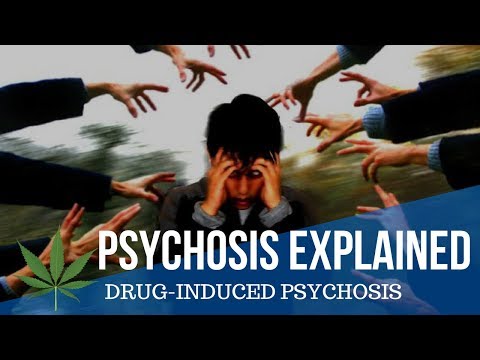
So, let’s talk about something a bit intense today. Ever heard of drug-induced schizophrenia? Yeah, it sounds heavy, I know. But hang tight; it’s super interesting.
Picture this: You’re at a party, and someone hands you a drink that totally messes with your head. One moment you’re laughing, the next you’re feeling paranoid. It’s wild how substances can flip our reality upside down like that.
Now, imagine if that party vibe didn’t wear off. What if those strange thoughts and feelings stuck around? That’s where the psychiatric implications come in. It’s not just about the trip; it can lead to some serious mental health stuff later on.
Stick with me! We’ll unpack what this means and why it matters more than ever in today’s world. You don’t wanna miss this!
Exploring the Link: Can Drug Use Trigger Schizophrenia Symptoms?
So, let’s get into this topic about whether drug use can actually trigger symptoms of schizophrenia. This is a big deal in mental health circles, and it really affects a lot of folks. You know, schizophrenia is one of those conditions that can seriously disrupt a person’s life.
First off, schizophrenia itself is a severe mental disorder that usually shows up in late adolescence or early adulthood. It can bring on symptoms like hallucinations, delusions, and disorganized thinking. Now, when we talk about substances—like marijuana, cocaine, or hallucinogens—there’s evidence they can make things worse for people who may be vulnerable to developing psychosis.
Here’s where it gets interesting: some research suggests that certain drugs might not just worsen existing symptoms but could actually trigger them in those who are predisposed to schizophrenia. Like, imagine hanging out with friends and trying some new substance for the first time. The next thing you know, you’re starting to hear voices or see things that aren’t there. Sounds intense, right?
A few key points to consider here:
- Marijuana: Some studies have found that using high-potency cannabis can increase the risk of developing schizophrenia-like symptoms. If someone has a family history of mental illness or experiences regular anxiety and depression, mixing these factors with frequent weed use might be risky.
- Cocaine and Stimulants: Use of stimulants like cocaine might lead to what’s known as substance-induced psychotic disorder. This isn’t quite the same as having schizophrenia but looks super similar during episodes.
- Hallucinogens: Drugs like LSD or psilocybin can also provoke hallucinations and altered reality experiences that mimic psychosis. For some people with a history of mental illness in their family tree—or even just high stress levels—these substances could kick off more serious issues down the line.
So now you might be wondering how this plays out in real life. Picture this: A buddy starts dabbling in party drugs thinking they’re harmless fun but then begins experiencing paranoia or strange thoughts after heavy use. Eventually, they find themselves struggling with feelings they can’t shake off—like they’re losing grip on reality. That shift could potentially signal the start of something much more serious.
It’s super important to remember that not everyone who uses drugs will develop schizophrenia or even experience these disturbing symptoms; however, for those already at risk due to genetic factors or prior mental health issues? Well that’s where things take a dangerous turn.
Lastly, if you find yourself—or someone close to you—dealing with this kind of stuff after drug use, seeking help is key! Talking it over with a professional can really make all the difference—not just for understanding what’s happening but also figuring out how best to move forward.
In summary: Drug use has been shown to possibly trigger or worsen schizophrenia symptoms in vulnerable individuals. It’s crucial to stay informed and cautious about substance use if there’s any history related to mental health problems in your circle!
Understanding the Stages of Drug-Induced Psychosis: Symptoms and Insights
Understanding drug-induced psychosis can feel like stepping into a really confusing maze. Your mind can go through some wild twists and turns, and the experience itself is often overwhelming. So, let’s break it down and get a grasp on this topic together.
First of all, drug-induced psychosis means that intense psychological symptoms, like hallucinations or delusions, are triggered by substances. These substances might be illicit drugs—think things like LSD, methamphetamine, or cocaine—or even legal ones such as alcohol or prescription medications. People can feel totally out of touch with reality during these episodes.
Now let’s look at the stages. You can think of it almost like a bad movie you didn’t want to watch in the first place. It usually starts with some initial changes in mood or thoughts before those more severe symptoms kick in.
- Stage One: Use – This is when someone takes a substance for whatever reason: fun, escape, or even peer pressure. It’s like that moment when you decide to binge-watch a series; you’re excited at first without realizing the rollercoaster ahead.
- Stage Two: Initial Effects – Here, some people might start experiencing feelings of euphoria or happiness at first; everything seems colorful and exciting! But that excitement can quickly spiral downward.
- Stage Three: Emerging Symptoms – During this stage, individuals may start noticing things like mood swings or increased anxiety. They might feel strange sensations and begin to question their thoughts. It’s kind of like when you start questioning your life choices right after staying up too late.
- Stage Four: Acute Psychosis – This is where it gets really tough to handle. People might see or hear things that aren’t there (hallucinations) or believe false ideas (delusions). Someone could think they’re being watched by government agents when they’re just chilling on their couch.
- Stage Five: Withdrawal & Resolution – After the drug effects fade away, individuals might still struggle with lingering symptoms for a while. It’s not uncommon to feel depressed or anxious as they come down from that high state.
Let’s focus on those symptoms because they’re super critical to understand if you’re trying to wrap your head around this whole thing.
Some classic signs include:
- Hallucinations: Seeing things that aren’t there—like thinking someone’s talking to you when no one is around.
- Delusions: Strong beliefs that are just plain untrue—like believing you’re on an important mission from the universe.
- Aggressive Behavior: Feeling irritable or easily provoked; you know how sometimes little annoyances grow into huge mountains?
- Anxiety and Paranoia: Feeling constantly jittery and on edge—like someone is always watching your every move.
It’s worth mentioning here that not everyone who uses drugs will experience drug-induced psychosis; it’s pretty random who gets hit with it hard versus who doesn’t. Factors often include how much was taken, any underlying mental health conditions (like anxiety), plus personal stressors going on in one’s life at the time.
While talking about potential implications for mental health—drug-induced schizophrenia can occur if someone has pre-existing vulnerabilities in their mental health landscape. This means if they had a family history of schizophrenia, using certain drugs might trigger those symptoms earlier than they would have shown up otherwise.
So yeah, understanding these stages is super important for anyone involved with substances because it doesn’t just affect users—it impacts families too! The heartache and chaos from one person’s experience can ripple outwards in ways we often don’t fully realize until we’re knee-deep in it.
Ultimately, if you or someone close starts showing these symptoms following drug use—or even long after—it’s totally vital to seek professional help. Whether through counseling or medical intervention, just don’t wait it out alone; it’s one journey where having support makes all the difference!
Exploring the Impact of Substance Abuse on Schizophrenia: Understanding the Connection
Substance abuse and schizophrenia are two heavy issues that often intersect, creating a complex situation that can be tough to navigate. So, let’s break down what’s going on here, shall we?
First off, schizophrenia itself is a serious mental health condition that can really mess with how a person thinks, feels, and behaves. Symptoms often include hallucinations, delusions, and disorganized thinking. But when you throw substance abuse into the mix—like drugs or alcohol—it can complicate everything even more.
People with schizophrenia sometimes turn to substances as a way to cope with their symptoms. You might think they’re trying to self-medicate. But what happens is that substances can actually worsen their condition. For example, using drugs like amphetamines or cocaine can trigger or amplify psychotic episodes.
On the flip side, certain substances can lead to symptoms that mimic schizophrenia. Some folks who use hallucinogens may start having experiences similar to those seen in schizophrenia. This is often referred to as drug-induced psychosis. It’s temporary but seriously alarming for anyone going through it.
Now let’s look at this more closely:
- Increased Risk of Relapse: If someone has schizophrenia and they start using drugs heavily, they might find their symptoms coming back stronger than before.
- Worsening Symptoms: Substances like cannabis have been linked to triggering or worsening symptoms in people predisposed to mental illness.
- Treatment Complications: Finding the right treatment becomes tricky when someone isn’t just dealing with schizophrenia but also battling substance abuse issues.
Here’s a little story for you: imagine Jake—a guy in his twenties who has been diagnosed with schizophrenia. He struggles with the voices in his head daily but decides one night that smoking marijuana might help calm him down. At first, it feels like relief! But shortly after he smokes, he starts hearing more intense voices yelling at him. The next day he feels terrible—physically and mentally—because not only did he have a rough night but also his regular symptoms are worse now.
Treatment for someone in this situation is pretty involved. It requires a team effort from both mental health professionals specializing in addiction and psychiatry because you’re dealing with two intertwined problems.
And guess what? Some studies suggest that people with dual diagnoses—like schizophrenia paired with substance use disorders—tend to have worse outcomes than those without substance issues. That’s heavy stuff!
Support systems are crucial too, no doubt about it. Friends and family play an important role in encouraging treatment compliance and being there through all the ups and downs.
To wrap it up: understanding the impact of substance abuse on schizophrenia isn’t just about seeing how one affects the other; it’s about realizing how intertwined our emotional experiences can be when we’re dealing with mental health challenges. Each person has their unique journey through this maze of symptoms and substances—and finding the right support makes all the difference in navigating through it all!
So, let’s chat about this, right? Drug-induced schizophrenia—it sounds heavy and a bit intimidating. Honestly, it’s one of those things that really makes you think about how substances affect our minds. You know how sometimes people use drugs for fun or to escape reality? Well, sometimes that can backfire in a big way.
Imagine a friend who always seemed fine. They had a good job and great relationships—normal, you know? But then they started using some party drug on the weekends. At first, it was all laughs and good times. But over time, they began to see things that weren’t there and hear voices that no one else could. It’s heartbreaking because what started as a way to unwind turned into something far darker.
When we talk about drug-induced schizophrenia, we’re really looking at how certain substances can trigger psychosis in people who may already have vulnerabilities. It’s like flipping a switch in the brain—suddenly thoughts aren’t just racing; they’re chaotic and disconnected from reality. And the implications of this? They can be life-changing, both for the person experiencing it and their loved ones.
What complicates things is that everyone’s brain reacts differently to drugs. Some folks might just get a little paranoid or anxious; others might find themselves completely detached from reality. It’s wild how these reactions can range so much! And when someone goes through this kind of experience, it can lead to long-term mental health issues—even if they stop using drugs.
I mean, imagine waking up one day realizing your perception of reality has been altered—how do you even cope with that? Therapy helps; medications too, but here’s the thing: recovery is often messy and complicated. Having support from friends and family can make all the difference, but sometimes stigma still lurks around every corner.
In this whole conversation about drug-induced schizophrenia, we have to be real about our choices and consequences. Drugs might seem like an escape or a thrill at first but understanding their potential impact on mental health is crucial. We owe it to ourselves—and to each other—to be aware of these risks and approach them with empathy and care.
So yeah, it’s super complex stuff we’re dealing with here! But talking openly about these issues could make someone reconsider their choices while also steering us toward more understanding instead of judgment when things go wrong.